Liposuction is a popular cosmetic procedure designed to remove stubborn pockets of localized fat that may not respond well to diet and exercise. But who is the ideal candidate for liposuction? Understanding the eligibility factors can help you decide whether this body contouring procedure may be appropriate for your goals. People considering treatment in Kerala often want to know whether their weight, health, skin quality, and expectations make them suitable candidates.
Liposuction is not a general weight-loss treatment. Instead, it focuses on improving body contours by removing excess fat from specific areas. A proper evaluation is important because the best results usually occur when the procedure is chosen for the right reasons and performed on an appropriate candidate.
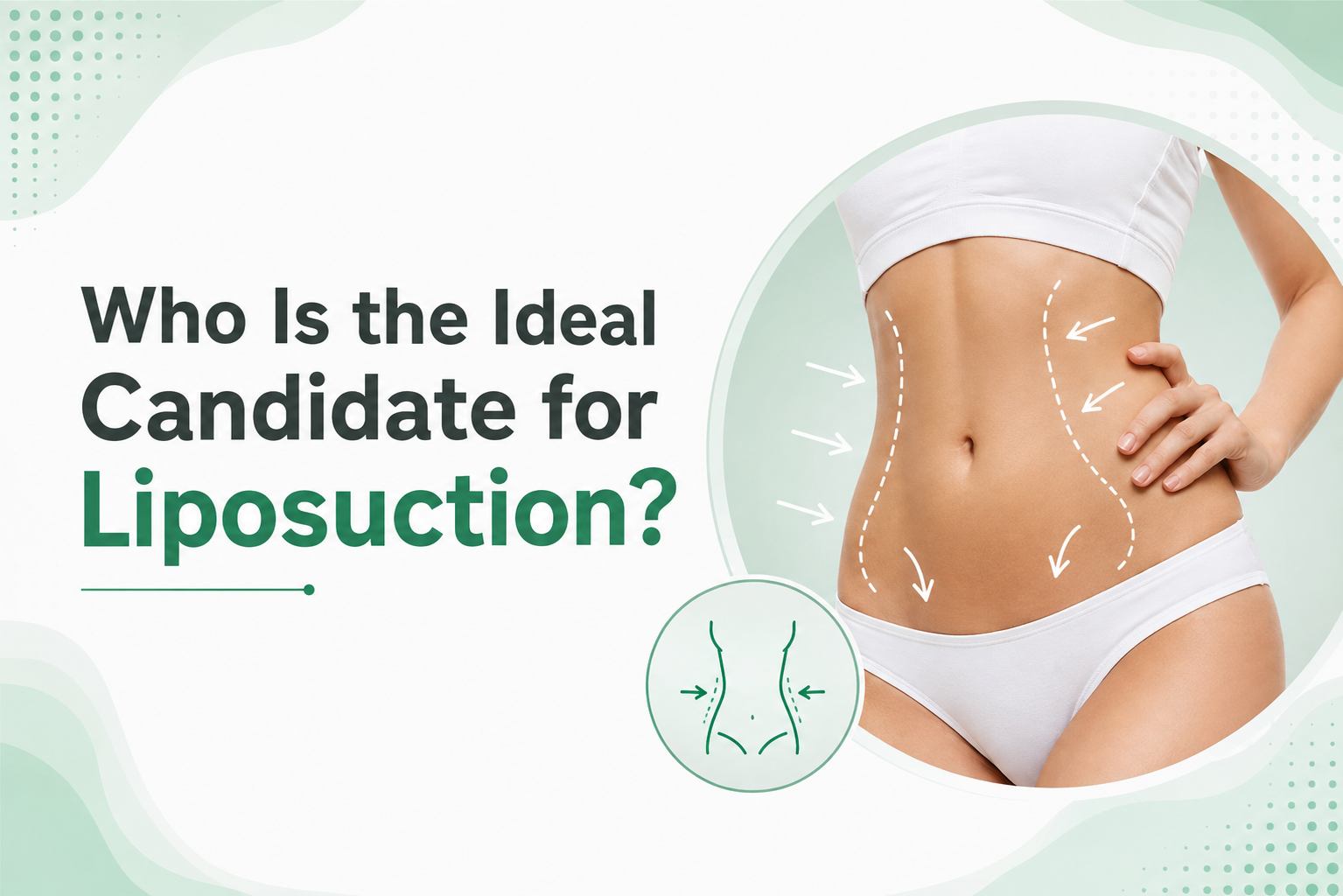
Who Is the Ideal Candidate for Liposuction
The ideal candidate for liposuction is generally an adult who is in reasonably good overall health, has localized areas of unwanted fat, maintains a relatively stable weight, and has realistic expectations about the results.
Liposuction may be considered when certain fat deposits remain despite consistent lifestyle habits. These deposits can occur in areas such as the abdomen, thighs, hips, arms, back, buttocks, or under the chin.
Key Characteristics of a Suitable Candidate
A suitable candidate may have several of the following characteristics:
- Localized fat deposits that are resistant to diet and exercise
- A relatively stable body weight
- Good general physical health
- Reasonably healthy and elastic skin
- Realistic expectations about body contouring
- A clear understanding that liposuction is not a weight-loss procedure
- Willingness to follow preoperative and postoperative instructions
- A commitment to maintaining healthy lifestyle habits after treatment
The final decision should always be based on an individual medical assessment rather than on a single eligibility factor.
You Have Stubborn Localized Fat
One of the most important considerations when asking who is the ideal candidate for liposuction is whether the concern involves localized fat rather than overall excess body weight.
Some people exercise regularly and follow a balanced diet but still have specific areas where fat tends to accumulate. These areas may be genetically influenced and can sometimes be difficult to change through lifestyle measures alone.
Liposuction can target selected fat deposits to improve the proportion and contour of the body.
Common Areas Treated With Liposuction
Depending on individual anatomy and treatment goals, liposuction may be used for areas including:
- Abdomen
- Waist and flanks
- Hips
- Thighs
- Upper arms
- Back
- Buttocks
- Chest
- Under the chin
- Other localized areas of excess fat
Not every area is appropriate for every person. The treatment plan should be customized according to body structure, skin quality, fat distribution, and desired outcome.
Your Weight Is Relatively Stable
Liposuction is generally more appropriate for people whose weight is reasonably stable.
Significant weight fluctuations after treatment can change the appearance of the treated areas. For this reason, people who are actively trying to lose a substantial amount of weight may be advised to focus on reaching a more stable weight first.
Why Stable Weight Matters
Maintaining a stable weight can help:
- Produce more predictable contouring results
- Reduce the effect of future weight changes
- Support long-term body proportions
- Make treatment goals easier to define
- Improve satisfaction with the outcome
Liposuction should therefore be viewed as a contouring procedure rather than a shortcut for losing large amounts of weight.
You Are in Good General Health
Good overall health is another important factor when determining who is the ideal candidate for liposuction.
Although liposuction is commonly performed as an elective cosmetic procedure, it is still surgery and requires careful consideration of a person’s medical history.
A preoperative assessment may consider:
- Existing medical conditions
- Previous surgeries
- Current medications
- Allergies
- Smoking or tobacco use
- History of blood-clotting problems
- General physical fitness
- Any factors that could affect healing or anesthesia
Being generally healthy does not automatically guarantee eligibility. A qualified medical professional must assess individual risks before treatment.
You Have Reasonably Good Skin Elasticity
Skin quality can influence the final appearance after fat removal.
When skin has reasonable elasticity, it may adapt better to the body’s new contours following removal of localized fat. If the skin has significant laxity, removing fat alone may not produce the desired appearance.
Skin Elasticity and Body Contouring
Factors that can affect skin elasticity include:
- Age
- Genetics
- Previous weight changes
- Sun exposure
- Pregnancy
- Natural skin characteristics
- Amount of excess skin
Liposuction removes fat, but it does not function as a substitute for procedures specifically designed to remove significant excess skin.
If loose skin is the primary concern, another type of body-contouring approach may be more appropriate.
You Have Realistic Expectations
Having realistic expectations is one of the most important characteristics of the ideal candidate for liposuction.
Liposuction can improve body contours, but it cannot guarantee a perfect body shape or eliminate every irregularity. Results vary according to anatomy, fat distribution, skin quality, healing, and lifestyle factors.
A good candidate understands that:
- Liposuction is not a cure for obesity
- It does not replace healthy eating and physical activity
- Results differ from person to person
- Recovery takes time
- Final contours may develop gradually
- Maintaining a stable weight is important after treatment
A clear understanding of these points can help create realistic treatment goals.
What Liposuction Does
Liposuction is a surgical body-contouring technique that removes excess fat from selected areas.
The procedure is designed to improve proportions rather than simply reduce the number on a weighing scale.
Body Contouring vs Weight Loss
There is an important difference between body contouring and weight loss.
Weight loss aims to reduce overall body mass, often through changes in nutrition, physical activity, medical treatment, or other approaches.
Liposuction focuses on selected areas of fat to improve body shape and contour.
This distinction is essential when deciding whether liposuction is suitable.
Who May Not Be an Ideal Candidate
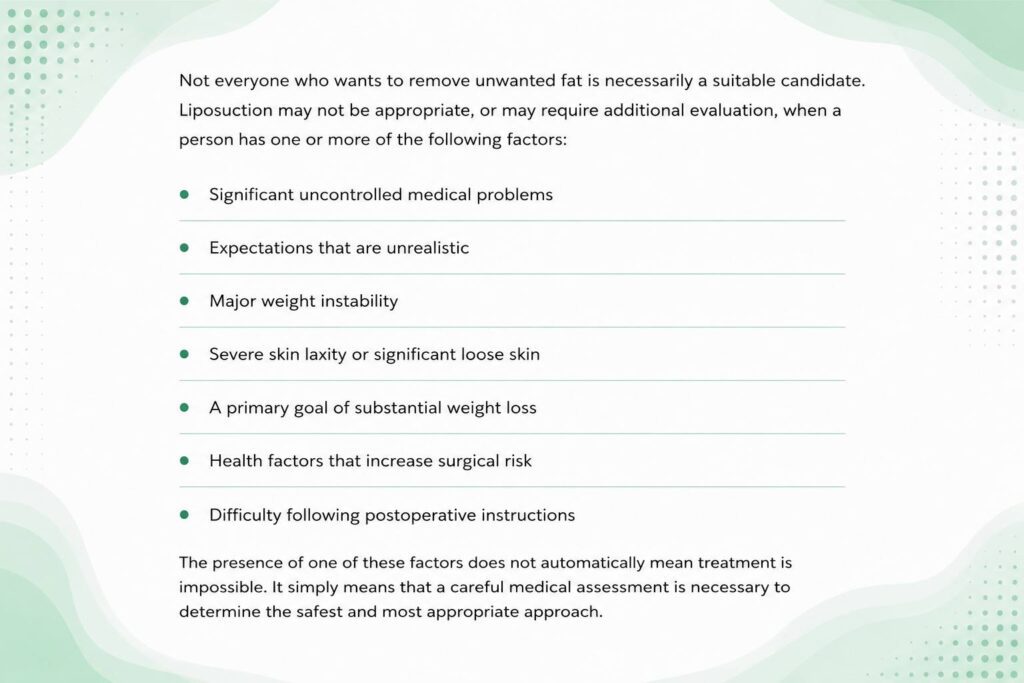
Not everyone who wants to remove unwanted fat is necessarily a suitable candidate.
Liposuction may not be appropriate, or may require additional evaluation, when a person has:
- Significant uncontrolled medical problems
- Expectations that are unrealistic
- Major weight instability
- Severe skin laxity
- A primary goal of substantial weight loss
- Health factors that increase surgical risk
- Difficulty following postoperative instructions
The presence of one of these factors does not automatically mean treatment is impossible. It simply means that a careful medical assessment is necessary.
Liposuction for Different Body Types
People have different patterns of fat distribution. Genetics, age, hormones, lifestyle, and previous changes in body weight can all influence where fat accumulates.
Some individuals may have more noticeable abdominal fat, while others may struggle with the hips, thighs, arms, back, or chin.
Abdomen and Waist
Localized abdominal and waist fat is a common reason people consider body contouring. Liposuction may help refine these areas when excess fat is localized and the skin condition is suitable.
Thighs and Hips
Fat deposits around the thighs and hips can sometimes affect body proportions. Carefully planned treatment may improve contour in selected candidates.
Arms
Some people have localized fat around the upper arms. Liposuction may be considered when the main concern is excess fat rather than significant loose skin.
Chin and Neck
Localized fat beneath the chin can affect facial and neck contours. In appropriate candidates, targeted fat removal may help create a more defined appearance.
Benefits of Liposuction
When appropriately selected and performed, liposuction can offer several potential body-contouring benefits.
Potential Benefits Include
- Reduction of localized fat deposits
- Improved body proportions
- More defined contours
- Better clothing fit in some cases
- Greater satisfaction with body shape
- Targeted treatment of areas resistant to lifestyle changes
The degree of improvement varies between individuals. Liposuction should be considered part of an individualized treatment plan rather than a guaranteed cosmetic transformation.
What Liposuction Does Not Treat
Understanding the limitations of liposuction is just as important as understanding its benefits.
Liposuction does not primarily treat:
- Obesity
- Significant excess skin
- Cellulite in every case
- Poor diet
- Lack of physical activity
- Underlying medical causes of weight gain
If the main concern is loose skin, muscle separation, or significant overall weight excess, a different treatment strategy may need to be considered.
How to Prepare for Liposuction
Once a person is considered a potential candidate, preparation becomes an important part of the process.
Before Treatment
A medical evaluation may include a discussion of:
- Treatment goals
- Medical history
- Current medications
- Previous procedures
- Allergies
- Lifestyle habits
- Weight history
- Expected recovery
- Potential risks and complications
You may also receive specific instructions regarding medications, smoking, nutrition, activity, and other aspects of preparation.
Following these instructions carefully can help support a safer treatment and recovery process.
Recovery After Liposuction
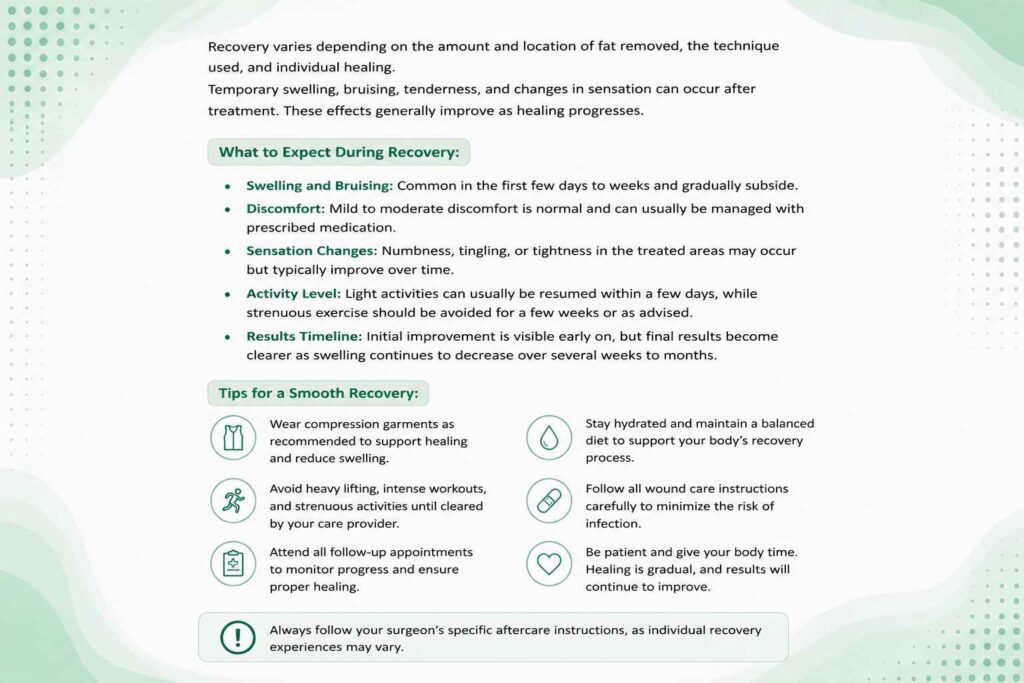
Recovery varies depending on the amount and location of fat removed, the technique used, and individual healing.
Temporary swelling, bruising, tenderness, and changes in sensation can occur after treatment. These effects generally improve as healing progresses.
Recovery Tips
Useful recovery practices may include:
- Follow all postoperative instructions
- Wear compression garments when recommended
- Avoid strenuous activities until cleared
- Attend scheduled follow-up appointments
- Maintain adequate hydration
- Follow recommended wound-care instructions
- Gradually return to normal activity
- Contact the medical team if concerning symptoms develop
Patience is important because the final result may not be immediately visible.
Maintaining Your Liposuction Results
Liposuction can permanently remove fat cells from treated areas, but remaining fat cells can still enlarge if significant weight is gained.
For this reason, healthy habits remain important after treatment.
Helpful Long-Term Habits
- Eat a balanced diet
- Stay physically active
- Maintain a stable weight
- Drink adequate fluids
- Follow a consistent fitness routine
- Attend follow-up appointments when recommended
Liposuction works best as part of a long-term approach to healthy body composition.
Questions to Ask Before Choosing Liposuction
Before deciding on treatment, consider asking a qualified medical professional:
- Am I a suitable candidate?
- Is my weight stable enough for treatment?
- Which areas could benefit from contouring?
- How much improvement can realistically be expected?
- What type of anesthesia may be used?
- What is the expected recovery period?
- What risks apply to my situation?
- What postoperative care will I need?
- When can I return to normal activities?
- What should I do to maintain the results?
These questions can help you make a more informed decision.
When Should You Consider an Evaluation
If you have stubborn localized fat despite maintaining healthy lifestyle habits, an evaluation may help determine whether liposuction is appropriate.
A consultation is particularly useful when you are unsure whether your concern is primarily excess fat, loose skin, overall weight, or a combination of factors.
The goal of an evaluation is not simply to decide whether you can undergo liposuction. It is also to determine whether liposuction is the most appropriate option for your specific concern.
Conclusion
Understanding who is the ideal candidate for liposuction is an important step before considering body contouring. In general, suitable candidates have localized fat deposits, relatively stable weight, good overall health, reasonable skin elasticity, and realistic expectations.
Liposuction can help improve body contours when stubborn fat remains despite healthy lifestyle habits, but it should not be viewed as a substitute for weight loss or long-term healthy living. A personalized medical evaluation is essential to determine whether the procedure is appropriate and what type of result can reasonably be expected.
For people considering treatment in Thrissur, choosing an appropriate treatment plan and understanding both the benefits and limitations of liposuction can help support an informed decision. For more detailed information about liposuction and its suitability, visit the American Society of Plastic Surgeons guide on liposuction.
Frequently Asked Questions
Sushrutha Institute of Plastic, Reconstructive & Aesthetic Surgery
Dr Pradeep Kumar
Plastic, Reconstructive & Aesthetic Surgeon
SIPRAS, Elite Mission Hospital, Thrissur