Elite Mission Hospital · Koorkenchery, Thrissur
24 × 7 Emergency Plastic Surgery Care
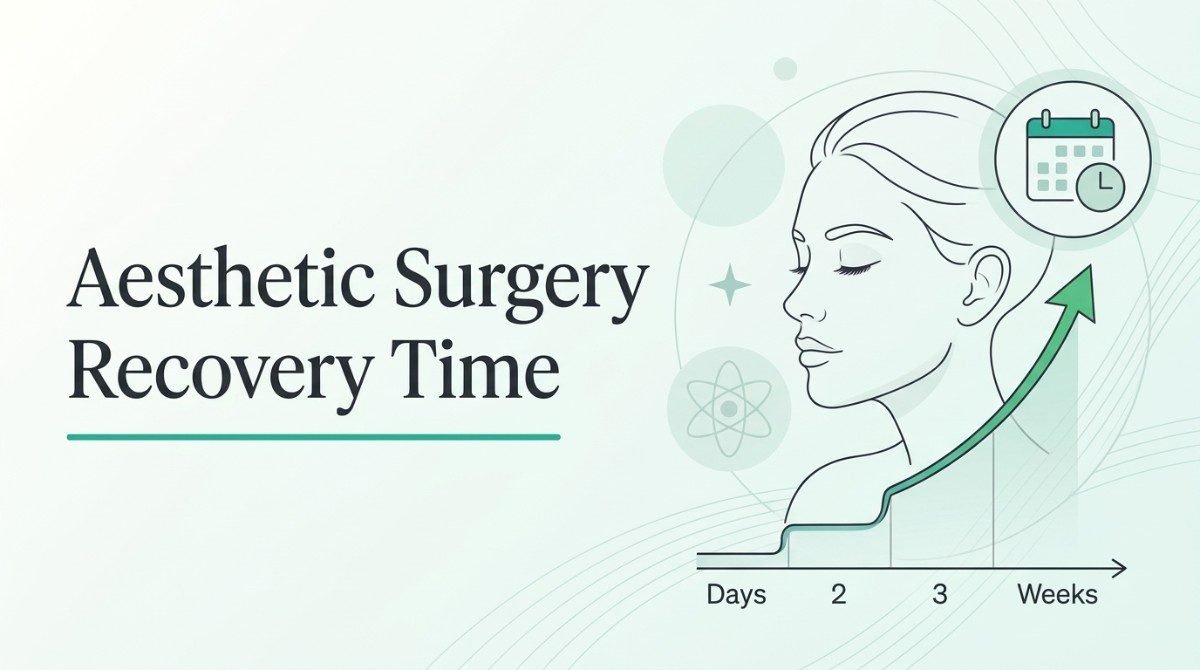
What Is the Recovery Time After Aesthetic Surgery? This is an important question for individuals considering aesthetic procedures to improve or refine their appearance. Recovery is an essential part of the surgical journey, as the body needs time to heal, swelling to subside, and the treated areas to settle. The duration of recovery depends on the type of procedure, its complexity, the area being treated, and the individual’s overall health.
At Sushrutha Institute of Plastic, Reconstructive & Aesthetic Surgery (SIPRA), Elite Mission Hospital, Koorkenchery, Thrissur, aesthetic surgery is approached with attention to individual needs, surgical planning, and post-operative care. Understanding the expected healing period can help patients prepare for time away from work, arrange assistance at home, and follow appropriate recovery instructions. Whether the procedure involves facial aesthetics, breast surgery, or body contouring, recovery timelines can differ considerably.
Aesthetic surgery is not limited to the visible changes achieved during an operation. The healing process also plays an important role in how the final outcome develops. Patients should understand that returning to daily activities does not necessarily mean that the tissues have completed healing.
The recovery period after aesthetic surgery can range from a few days to several weeks, depending on the procedure. Some patients may resume light daily activities relatively early, while others may require a longer period of rest and restricted movement.
For many surgical procedures, the initial recovery phase involves managing discomfort, swelling, bruising, and wound care. Patients may gradually return to routine activities as their surgeon advises. However, complete healing and the settling of the final results may take several months.
The following factors influence the recovery period:
Type of surgery: Facial procedures, breast surgery, and body contouring involve different tissues and healing requirements.
Extent of the procedure: More extensive surgery may require a longer recovery period.
Individual healing response: Age, general health, nutrition, and other individual factors can influence healing.
Nature of daily activities: Patients with physically demanding jobs may need more time away from work than those with sedentary occupations.
Post-operative care: Following the surgeon’s instructions can support healing and help reduce the risk of complications.
The recovery timeline should therefore be discussed individually rather than based only on the experiences of other patients.
Aesthetic surgery includes a range of procedures designed to address different areas of the body. Each procedure has its own healing requirements, and recovery should be planned accordingly.
Facial aesthetic procedures may involve the nose, eyelids, face, or other structures. Swelling and bruising can be noticeable during the initial recovery period, particularly when surgery involves delicate facial tissues.
Patients may need to keep their head elevated, avoid strenuous activity, and follow specific instructions regarding dressings or splints. The timing of return to work and social activities depends on the procedure and the visibility of post-operative changes.
Although initial swelling may improve over the first few weeks, subtle changes in facial contours can continue as healing progresses.
Breast aesthetic procedures may involve breast augmentation, reduction, or reshaping. Recovery can include temporary discomfort, swelling, bruising, and changes in sensation.
Patients may need to limit upper-body movements, avoid heavy lifting, and wear a prescribed support garment or surgical bra when recommended. The recovery period can vary according to the procedure, the surgical technique, and the individual’s healing response.
Returning to exercise or physically demanding activities should be based on the surgeon’s assessment rather than a fixed timeline.
Body contouring procedures, including liposuction and other surgeries involving the abdomen or body, may require a more structured recovery plan.
Patients may experience swelling, bruising, tenderness, and temporary restrictions on movement. Depending on the procedure, compression garments may be recommended to support the treated areas.
The initial recovery period may involve reduced activity, followed by a gradual return to routine tasks. Swelling and changes in body contours can continue for several weeks or months.
Patients undergoing more extensive body contouring surgery may require additional assistance at home during the early recovery phase.
Rhinoplasty is an aesthetic procedure that changes the shape or structure of the nose. Recovery may involve swelling, bruising around the nose or eyes, and temporary nasal congestion.
A splint or dressing may be used during the initial healing period. Patients should follow the surgeon’s instructions regarding nasal care, sleeping position, and physical activity.
Although visible swelling often improves during the early weeks, the nose may continue to settle over a longer period. The final appearance can take several months or longer to become apparent, particularly when swelling affects the nasal tip.
Recovery after aesthetic surgery generally progresses through different stages. The exact timing varies according to the procedure and the patient’s individual healing response.
The first few days are an important part of the recovery process. Patients may experience discomfort, swelling, bruising, or tiredness following surgery and anaesthesia.
During this period, patients should:
Rest according to the surgeon’s instructions.
Take prescribed medications as directed.
Keep dressings and surgical sites protected.
Arrange assistance with daily activities when necessary.
Follow instructions regarding movement and sleeping position.
Contact the surgical team if concerning symptoms develop.
Some patients may be encouraged to take short, gentle walks when appropriate. However, the level of activity should be determined by the procedure and the surgeon’s advice.
During the first week, some of the initial discomfort may begin to improve. Swelling and bruising can remain noticeable, and patients may still need assistance with certain activities.
Depending on the surgery, follow-up appointments may be scheduled to assess healing, review dressings, or remove sutures.
Patients should avoid activities that place unnecessary strain on the surgical area. The recovery process should not be rushed simply because discomfort has decreased.
Many patients begin returning to selected routine activities during this period, depending on the procedure and their healing progress.
Swelling and bruising may gradually reduce, although some changes can remain visible. Patients with sedentary occupations may be able to return to work earlier than those whose jobs involve physical exertion.
Exercise, heavy lifting, and other strenuous activities may still be restricted. The surgeon should assess the healing process before recommending a return to these activities.
During this stage, continued healing may lead to improvements in swelling, tissue firmness, and the appearance of the treated area.
Patients may gradually resume more activities when medically appropriate. However, the final outcome may not yet be fully visible.
Some procedures, particularly those involving the nose or extensive body contouring, may require a longer period for swelling to settle and the tissues to adapt.
Some aesthetic procedures require several months for the final results to become more apparent.
Scar maturation, subtle contour changes, and residual swelling can continue during this period. The duration depends on the type of surgery and the individual’s healing response.
Regular follow-up appointments help the surgeon assess progress and identify whether any additional care is required.
The recovery period is influenced by several medical and personal factors. Understanding these factors can help patients develop realistic expectations.
A procedure involving a small area may have different recovery requirements from surgery involving several tissues or a larger treatment area.
The extent of surgery, the technique used, and whether multiple procedures are performed together can influence the duration of healing.
A patient’s general health can affect how the body responds to surgery. Certain medical conditions, medications, and lifestyle factors may influence wound healing or the risk of complications.
Patients should provide their surgeon with an accurate medical history, including current medications, allergies, and relevant previous surgeries.
Smoking and nicotine use can interfere with circulation and wound healing. Patients should discuss smoking cessation and the appropriate period of avoidance before and after surgery with their surgeon.
Adequate nutrition and hydration support the body’s normal healing processes. Patients should follow any dietary recommendations provided by their medical team.
A balanced diet containing sufficient protein and other essential nutrients may help support recovery. However, supplements should not be started without medical advice, particularly when they may interact with medications or affect bleeding.
Following post-operative instructions is an important part of recovery. Patients should understand how to care for the surgical site, manage prescribed medications, attend follow-up appointments, and gradually resume activities.
The surgeon’s instructions should take priority over general recovery information.
Recovery involves more than resting after the procedure. Appropriate post-operative care helps patients manage the healing process and recognise when medical attention may be needed.
Patients should carefully follow instructions regarding wound care, dressings, medications, sleeping positions, and activity restrictions.
If any instruction is unclear, it is important to ask the surgical team rather than making assumptions.
Adequate rest is important during the initial recovery period. Patients should avoid returning to demanding work or strenuous activities before they are medically ready.
Planning time away from work and arranging help at home can make the recovery period more manageable.
Patients may be encouraged to begin gentle movement when appropriate. However, vigorous exercise, heavy lifting, and activities that place strain on the surgical area should be avoided until the surgeon provides clearance.
The timing of activity resumption varies between procedures.
Follow-up appointments allow the surgeon to assess wound healing, monitor swelling, and review the patient’s progress.
These visits also provide an opportunity to discuss concerns about discomfort, changes in sensation, scars, or the appearance of the treated area.
Patients should follow medical advice regarding wound cleansing, sun protection, and scar care.
Products or treatments should not be applied to healing incisions unless recommended by the treating surgeon.
Some swelling, bruising, and discomfort can occur after aesthetic surgery. However, certain symptoms may indicate a complication and require medical assessment.
Patients should contact their surgical team promptly if they experience:
Increasing or severe pain.
Sudden or worsening swelling.
Persistent or excessive bleeding.
Increasing redness or unusual discharge from the surgical site.
Fever or other signs of infection.
Changes in sensation that are concerning or worsening.
Emergency symptoms: Sudden shortness of breath, chest pain, fainting, or severe bleeding require immediate emergency medical attention.
Patients should not wait for a routine follow-up appointment if they develop concerning symptoms. Early medical assessment can help identify complications and determine the appropriate treatment. To know more about recovery.
Aesthetic surgery involves different procedures, techniques, and healing requirements. A recovery plan that is appropriate for one patient may not be suitable for another.
Individualised planning considers the patient’s health, the procedure being performed, the expected healing process, and the demands of daily life.
At SIPRA, Sushrutha Institute of Plastic, Reconstructive & Aesthetic Surgery at Elite Mission Hospital, Koorkenchery, Thrissur, patients considering aesthetic surgery should discuss the expected recovery period, post-operative care, and activity restrictions with their treating plastic surgeon.
Understanding the recovery process before surgery can help patients prepare for the healing period and develop realistic expectations about the outcome.
EXCELLENTTrustindex verifies that the original source of the review is Google. നമസ്തേ എൻ്റെ പേര് ദിദീഷ് കഴിഞ്ഞ ആഴ്ച ഞാൻ ഒരു അപകടം പറ്റി Elite ഹോസ്പിറ്റലിൽ അഡ്മിറ്റ് ആയിരുന്നു ഒപ്പം എൻ്റെ ചേട്ടനും ഉണ്ടായിരുന്നു ഡോർ കട്ട് ചെയ്യുന്നതിനിടെ കട്ടർ തെറിച്ചു കാൽപാദം പകുതി മുറിഞ്ഞ് . ചേട്ടന് കാൽമുട്ടിൽ ആയിരുന്നു ഓപറേഷൻ കഴിഞ്ഞു വീട്ടിൽ ആണ് രണ്ടാളും സുഖമായിരിക്കുന്നു. എൻ്റെ കാൽപാദം മുറിച്ചു മാറ്റും എന്ന ഒരു പേടി മാത്രേ എനിക്കുണ്ടായിരുന്നുള്ളു പക്ഷെ അങ്ങനെ ഒന്നും സംഭവിച്ചില്ല എല്ലാ സ്റ്റാഫിനും നന്ദി പറയുന്നു കാരണം വന്നപ്പോ തൊട്ട് എല്ലാവരും സമാതാനിപ്പിക്കായിരുന്നൂ എല്ലാവരോടും സ്നേഹം അറിയിക്കുന്നു പ്രത്യേകിച്ച് ഡോക്ടറോട് 🙏🏻Trustindex verifies that the original source of the review is Google. Excellent center for all cosmetic procedures... highly recommendedTrustindex verifies that the original source of the review is Google. The surgery is in a seamless hospital and everything is very excellent
This website uses cookies to ensure you get the best experience on our website.

