Frequently Asked Questions About Aesthetic Surgery: 10 Answers
Frequently Asked Questions About Aesthetic Surgery can help patients understand the procedures, preparation, recovery, and considerations involved in aesthetic treatment. Aesthetic surgery includes a range of surgical procedures intended to address appearance-related concerns involving the face, breasts, and body. The suitability of a procedure depends on individual anatomy, health, expectations, and the assessment of a qualified surgeon.
At Sushrutha Institute of Plastic, Reconstructive & Aesthetic Surgery (SIPRA), located at Elite Mission Hospital, Koorkenchery, Thrissur, patients can discuss their concerns and learn about the available surgical approaches. Understanding common questions about aesthetic surgery can help patients make informed decisions and develop realistic expectations about treatment and recovery.
What Are the Different Types of Aesthetic Surgery?
Aesthetic surgery includes several procedures. The appropriate option depends on the area being treated and the patient’s goals.
Facial Aesthetic Surgery
Facial procedures may address features such as the nose, eyelids, ears, or facial contours. Examples include:
Rhinoplasty, which involves changing the shape or structure of the nose.
Blepharoplasty, which involves surgery of the eyelids.
Otoplasty, which may change the position or shape of the ears.
Facial contouring procedures, which address selected facial features.
The suitability of a facial procedure depends on the patient’s anatomy, health, and expected outcome.
Breast Aesthetic Surgery
Breast procedures may involve changes to breast size, shape, or position. These can include breast augmentation, breast reduction, and breast lift procedures.
The choice of procedure depends on individual concerns, breast anatomy, health factors, and the patient’s expectations.
Body Contouring Surgery
Body contouring procedures may address selected areas of the body. Examples include:
Liposuction, which removes deposits of fat from specific areas.
Abdominoplasty, commonly referred to as a tummy tuck, which may address excess abdominal skin and tissue.
Other procedures that address body shape or contour.
These procedures are not substitutes for general weight management. The expected outcome and limitations should be discussed with the treating surgeon.
Who Is a Suitable Candidate for Aesthetic Surgery?
A suitable candidate for aesthetic surgery is assessed individually. A patient’s interest in a procedure alone does not determine whether surgery is appropriate.
Factors considered during an assessment may include:
General health and existing medical conditions.
The specific concern the patient wants to address.
Skin quality and individual anatomy.
Previous surgeries and relevant medical history.
Expectations about the outcome.
Understanding of possible risks and recovery requirements.
Patients should have realistic expectations and understand that aesthetic surgery may improve selected features but cannot guarantee a particular appearance.
The treating surgeon may recommend additional assessment or advise against a procedure if medical or other considerations make surgery unsuitable.
Is Aesthetic Surgery Safe?
Aesthetic surgery, like other surgical treatment, involves potential risks. The level and type of risk depend on the procedure, the patient’s health, the anaesthesia plan, and other individual factors.
Possible complications may include bleeding, infection, reactions to anaesthesia, delayed wound healing, scarring, swelling, or changes in sensation. Some procedures have additional risks specific to the area being treated.
A pre-operative assessment helps the surgical team identify relevant health factors and plan appropriate care. Patients should discuss the potential benefits, limitations, and risks of the procedure before making a decision.
No surgical procedure can be described as completely risk-free.
How Should I Prepare for Aesthetic Surgery?
Preparation for aesthetic surgery may involve medical assessment, reviewing medications, following fasting instructions, and arranging support for recovery.
Patients should:
Share their complete medical history with the surgical team.
Provide details of prescription medicines, supplements, and allergies.
Complete recommended medical tests or assessments.
Follow instructions about medication adjustments.
Follow the specified eating and drinking instructions before surgery.
Discuss smoking, tobacco, and alcohol use.
Arrange transportation and assistance if needed.
Patients should not stop prescribed medication or make major health changes without medical advice. Preparation instructions can differ between procedures, so the treating team should provide individual guidance.
Does Aesthetic Surgery Require Anaesthesia?
The type of anaesthesia depends on the procedure, its extent, and the patient’s individual circumstances.
Some procedures may be performed under local anaesthesia, while others may require sedation or general anaesthesia. The anaesthesia plan should be discussed with the treating surgeon and anaesthesia team.
Patients should share information about previous anaesthesia experiences, allergies, medications, and existing medical conditions. They should also follow all pre-operative instructions, including fasting requirements when applicable.
How Long Does Recovery Take After Aesthetic Surgery?
Recovery time varies according to the procedure, the extent of surgery, and the patient’s healing response.
Some patients may resume certain daily activities relatively soon, while others may require a longer period of rest and restricted activity. Swelling, bruising, or temporary changes in sensation may occur during recovery, depending on the procedure.
Patients should follow the post-operative instructions provided by their surgical team. These may include guidance about:
Wound care and dressing changes.
Medication use.
Physical activity and exercise.
Returning to work.
Use of compression garments, if required.
Follow-up appointments.
Patients should not compare their recovery directly with another person’s experience, as healing can differ between individuals.
Will Aesthetic Surgery Leave Scars?
Some aesthetic surgery procedures involve incisions and may leave scars. The location, appearance, and visibility of scars depend on the procedure, incision placement, individual healing, and other factors.
Surgeons may plan incision placement with consideration for the treated area and the intended outcome. However, scar appearance cannot be guaranteed.
Patients should discuss expected incision locations, scar care, and the possibility of changes in scar appearance during healing before surgery.
Can Aesthetic Surgery Provide Permanent Results?
The duration of results depends on the procedure and individual factors. Some surgical changes may be long-lasting, while the effects of ageing, weight changes, pregnancy, and other factors may influence appearance over time.
Aesthetic surgery does not stop the natural ageing process. Patients should discuss the expected durability of the results and factors that may affect them.
What Are the Possible Risks and Complications of Aesthetic Surgery?
Potential risks vary according to the procedure and the patient’s health. General surgical risks may include:
Bleeding or collection of blood beneath the skin.
Infection.
Delayed wound healing.
Scarring.
Swelling or bruising.
Changes in skin sensation.
Reactions related to anaesthesia.
Some procedures may involve additional complications specific to the area being treated. Patients should ask their surgeon which risks are most relevant to the planned operation and what measures may be taken to manage them.
How Do I Choose an Aesthetic Surgery Hospital in Kerala?
Choosing an aesthetic surgery hospital involves considering the qualifications and experience of the treating surgeon, the planned procedure, the available facilities, and the arrangements for post-operative care.
Patients may wish to discuss:
The surgeon’s qualifications and relevant experience.
Whether the procedure is appropriate for their individual needs.
The facility and anaesthesia arrangements.
Potential risks and expected recovery.
Follow-up care and access to medical support.
The expected costs and what they include.
Patients should receive clear information about the procedure and have an opportunity to ask questions before making a decision.
Can I Return to Work After Aesthetic Surgery?
The timing of returning to work depends on the type of surgery, the patient’s recovery, and the physical demands of their job.
Some patients may be able to return to desk-based work sooner than those whose jobs involve lifting, strenuous movement, or prolonged physical activity.
The treating surgeon can provide guidance about the expected period away from work and when it may be appropriate to resume normal activities.
When Should I Contact the Surgical Team After Aesthetic Surgery?
Patients should follow the post-operative instructions provided by their surgical team and seek medical advice if they develop unexpected symptoms.
Symptoms that may require prompt assessment include:
Increasing or severe pain.
Persistent or heavy bleeding.
Fever or signs of infection.
Sudden or significant swelling.
Wound separation.
Breathing difficulty or chest pain.
Breathing difficulty, chest pain, or other severe symptoms require urgent medical attention. Patients should not delay seeking care while waiting for a routine follow-up appointment.
Making an Informed Decision About Aesthetic Surgery
Aesthetic surgery involves personal goals as well as medical considerations. Patients should understand the planned procedure, its possible benefits, its limitations, and the risks involved before deciding whether to proceed.
At Sushrutha Institute of Plastic, Reconstructive & Aesthetic Surgery (SIPRA), Elite Mission Hospital, Koorkenchery, Thrissur, patients can discuss their concerns and receive information relevant to their individual circumstances.
The decision to undergo aesthetic surgery should be made after an appropriate medical assessment and a clear discussion with the treating surgeon. Understanding the procedure and recovery process can help patients approach treatment with realistic expectations.
Table Of Contents
Sushrutha Institute of Plastic, Reconstructive & Aesthetic Surgery

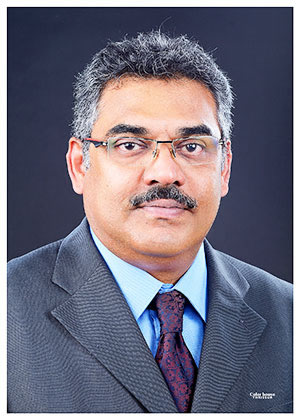
Dr Pradeep Kumar
Plastic, Reconstructive & Aesthetic Surgeon
SIPRAS, Elite Mission Hospital, Thrissur