Elite Mission Hospital · Koorkenchery, Thrissur
24 × 7 Emergency Plastic Surgery Care
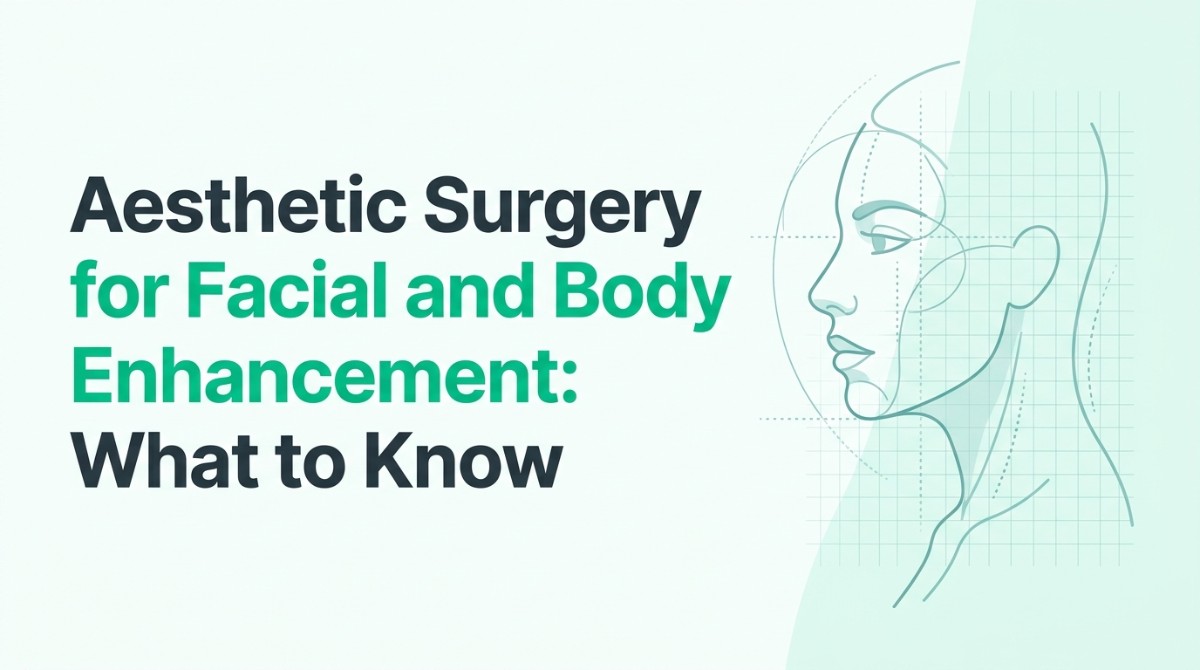
Aesthetic Surgery for Facial and Body Enhancement: What to Know is an important topic for individuals considering surgical procedures to address specific appearance-related concerns. Aesthetic surgery focuses on modifying or refining certain features of the face and body while considering a person’s anatomy, health, expectations, and individual preferences.
At Sushrutha Institute of Plastic, Reconstructive & Aesthetic Surgery (SIPRA), Elite Mission Hospital, Koorkenchery, Thrissur, understanding the available procedures, their potential outcomes, and their limitations can help individuals make informed decisions about aesthetic surgery.
Facial and body enhancement procedures vary in their purpose, surgical approach, recovery requirements, and suitability. Some procedures focus on facial proportions, while others address areas such as the abdomen, breasts, or body contours. Although aesthetic surgery may help address certain concerns, it is important to understand that surgical treatment involves medical considerations and cannot guarantee a particular appearance.
Aesthetic surgery refers to surgical procedures performed to modify or improve the appearance of specific facial or body features. These procedures may address concerns related to facial proportions, skin and soft tissue, body contours, or changes associated with ageing, weight fluctuations, and individual anatomy.
Aesthetic surgery differs from reconstructive surgery in its primary objective. Reconstructive procedures generally focus on restoring form and function following congenital conditions, injuries, disease, or previous surgery. Aesthetic procedures primarily address appearance-related concerns, although the distinction between these areas may overlap.
The decision to undergo aesthetic surgery should consider more than the desired visual outcome. A person’s overall health, existing medical conditions, anatomy, recovery capacity, and expectations are important factors in determining whether a procedure may be appropriate.
Facial aesthetic surgery includes several procedures that address different areas of the face. The choice of procedure depends on the specific concern, facial anatomy, and the potential benefits and limitations of surgical treatment.
Rhinoplasty is a surgical procedure that modifies the shape or structure of the nose. It may address concerns involving the nasal bridge, tip, width, or overall proportions.
Some individuals consider rhinoplasty to improve facial balance, while others may have concerns involving nasal structure or breathing. When functional concerns are present, the surgical assessment may also consider the nasal airway.
The procedure requires careful evaluation because the nose is a central facial feature. Surgical planning should consider facial proportions, existing nasal anatomy, skin characteristics, and realistic expectations.
Blepharoplasty, commonly known as eyelid surgery, involves modifying the skin, fat, or other tissues around the upper or lower eyelids.
Some individuals consider eyelid surgery because of excess eyelid skin, puffiness, or changes associated with ageing. In selected cases, excess upper eyelid skin may also affect the visual field.
The appropriate surgical approach depends on the eyelid structure, the amount of excess tissue, eye health, and the individual’s goals. An assessment is necessary to determine whether surgery is suitable.
Facelift surgery is intended to address certain visible changes associated with facial ageing. These changes may include skin laxity, soft tissue descent, and alterations in facial contours.
A facelift may involve repositioning underlying tissues and addressing excess skin, depending on the surgical technique. It does not stop the ageing process, and the results vary between individuals.
The procedure should be considered in the context of facial anatomy, skin condition, general health, and the expected recovery period.
Other facial aesthetic procedures may include brow lift surgery, chin augmentation, and selected procedures involving facial soft tissues.
Each procedure addresses a different anatomical concern. A brow lift, for instance, focuses on the position of the brow, whereas chin augmentation may address the projection or proportions of the chin.
Not every facial concern requires surgery. Depending on the individual’s condition, non-surgical options or no intervention may also be appropriate.
Body aesthetic surgery includes procedures that address specific concerns involving body shape, proportions, or excess tissue.
Liposuction is a surgical procedure used to remove selected deposits of fat from particular areas of the body. Common treatment areas may include the abdomen, thighs, hips, arms, and other regions where localised fat deposits are present.
Liposuction is not a treatment for obesity and should not be considered a substitute for weight management. It is generally intended for selected individuals whose weight is relatively stable and who have concerns about localised fat deposits.
The outcome depends on factors such as skin elasticity, body anatomy, the amount of fat removed, and the surgical technique. Liposuction does not necessarily address loose skin or underlying muscle separation.
Abdominoplasty, also known as a tummy tuck, is a surgical procedure that addresses excess skin and selected tissue concerns involving the abdominal region.
It may be considered by individuals who experience abdominal skin laxity following pregnancy, significant weight changes, or other circumstances.
Depending on the surgical plan, abdominoplasty may involve removal of excess skin and modification of the abdominal wall. The procedure is different from liposuction because its primary purpose is not simply the removal of localised fat deposits.
Recovery requirements and potential risks depend on the extent of surgery and the individual’s health.
Breast aesthetic surgery includes procedures intended to modify breast size, shape, or position.
Depending on the individual’s concern, procedures may include breast augmentation, breast reduction, or breast lift surgery.
Breast augmentation may involve implants or other selected approaches to increase breast volume. Breast reduction addresses concerns related to breast size and weight, while breast lift surgery focuses on the position and shape of the breast.
The suitability of each procedure depends on breast anatomy, medical history, personal expectations, and an assessment by a qualified plastic surgeon.
Suitability for aesthetic surgery is determined through an individual medical assessment. A procedure that may be appropriate for one person may not be suitable for another, even when the appearance-related concern is similar.
Several factors may be considered during the assessment.
A person’s general health is an important consideration before elective surgery. Existing medical conditions, medications, previous surgical procedures, allergies, and other relevant factors may influence surgical planning.
Certain medical conditions may increase the risks associated with anaesthesia, wound healing, or recovery. These concerns should be discussed with the treating surgeon.
Aesthetic surgery may modify certain physical features, but it cannot guarantee a specific appearance or resolve every concern about body image.
Understanding the potential outcomes and limitations of a procedure is an important part of informed decision-making.
For selected body procedures, maintaining a relatively stable weight may be important when considering surgery.
Significant weight changes after surgery can influence body contours and may affect the durability of certain results. Smoking and other lifestyle factors may also influence healing and surgical risks.
Aesthetic surgery is an elective medical decision. Individuals should have sufficient time to understand the procedure, consider alternatives, and make a decision without pressure.
A consultation may also help identify situations where additional support or a different approach is appropriate.
Preparation for aesthetic surgery involves medical evaluation, discussion of expectations, and planning for the recovery period.
The exact preparation requirements depend on the procedure and the individual’s medical history.
Before surgery, patients may need to:
Discuss their medical history, medications, allergies, and previous surgeries.
Understand the proposed procedure and its expected limitations.
Follow the surgeon’s instructions regarding medications and smoking.
Complete recommended medical investigations.
Discuss anaesthesia and the surgical setting.
Arrange transportation and assistance during the initial recovery period.
Understand wound care, follow-up appointments, and activity restrictions.
Patients should not independently stop prescribed medications or begin supplements before surgery without medical advice.
A clear understanding of the surgical plan and recovery requirements can help individuals prepare for the procedure more effectively.
Recovery varies according to the type of surgery, the extent of tissue modification, the individual’s health, and the healing process.
Some procedures involve relatively limited recovery requirements, while others may require several weeks of restricted activity.
During the early recovery period, swelling, bruising, discomfort, and temporary changes in sensation may occur. These effects vary depending on the procedure.
Patients should follow the instructions provided by their surgical team regarding wound care, medications, activity, and follow-up appointments.
The timing of a return to work, exercise, and other activities depends on the procedure and the individual’s recovery.
Patients should avoid resuming strenuous activities before receiving appropriate medical guidance. Procedures involving larger surgical areas may require more extensive activity restrictions.
Some aesthetic surgery results become more apparent as swelling gradually decreases and tissues heal.
The time required for the final appearance to become established varies between procedures. Follow-up appointments allow the surgical team to assess healing and address concerns that may arise during recovery.
Aesthetic surgery is a medical procedure, and all surgical interventions involve potential risks. Understanding these risks is an essential part of deciding whether to proceed.
Possible complications may include:
Bleeding or formation of a collection of blood beneath the skin.
Infection.
Delayed wound healing.
Scarring.
Changes in skin sensation.
Asymmetry or an outcome that differs from expectations.
Complications associated with anaesthesia.
The possibility of additional treatment or revision surgery.
The likelihood and nature of complications depend on the procedure, the individual’s health, and other clinical factors.
Choosing a qualified plastic surgeon and an appropriate surgical facility is an important part of the safety assessment. Patients should understand the proposed procedure, the available alternatives, and the plan for managing potential complications.
It is also important to recognise that aesthetic surgery cannot guarantee permanent results. Ageing, weight changes, lifestyle factors, and other influences may affect the appearance of the treated area over time.
Choosing an aesthetic surgery provider requires careful consideration of professional qualifications, surgical experience, medical facilities, and the quality of patient communication.
A consultation should provide an opportunity to understand the proposed procedure and determine whether it is appropriate for the individual’s needs.
Important considerations include:
Patients should verify the surgeon’s recognised qualifications and training in plastic surgery.
Relevant experience with the proposed procedure may also be an important consideration. A surgeon should be able to explain the procedure, its limitations, and the risks involved.
The surgical setting should be appropriate for the planned procedure and anaesthesia.
Patients may wish to understand the available medical support, postoperative monitoring, and arrangements for addressing complications if they occur.
Aesthetic surgery should not follow a standardised approach for every patient.
The surgical plan should consider the individual’s anatomy, health, expectations, and the potential benefits and limitations of treatment.
Patients should receive understandable information about the procedure, recovery, risks, and expected outcomes.
A consultation should allow sufficient time for questions and informed decision-making without pressure to proceed.
Sushrutha Institute of Plastic, Reconstructive & Aesthetic Surgery (SIPRA), located at Elite Mission Hospital, Koorkenchery, Thrissur, provides plastic, reconstructive, and aesthetic surgery services.
Individuals exploring aesthetic surgery for facial and body enhancement can benefit from understanding the available surgical approaches and the importance of individual assessment.
Facial and body procedures involve different anatomical considerations, surgical techniques, and recovery requirements. The appropriate approach depends on the individual’s medical history, specific concerns, and expectations.
A consultation with a qualified plastic surgeon can help clarify whether a particular procedure may be suitable, what outcomes may be realistic, and what medical considerations should be understood before making a decision.
Aesthetic surgery should always be approached as an informed medical choice. Understanding the procedure, its limitations, potential risks, and recovery requirements can help individuals make decisions that are appropriate for their health and personal circumstances.
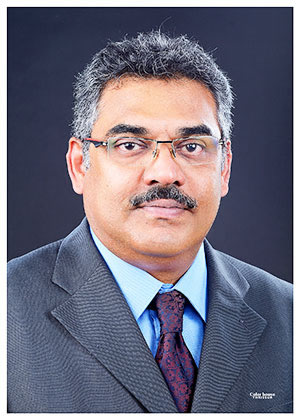
Plastic, Reconstructive & Aesthetic Surgeon
SIPRAS, Elite Mission Hospital, Thrissur
Aesthetic surgery for facial and body enhancement involves surgical procedures that modify selected facial or body features. These procedures may address concerns related to facial proportions, body contours, excess skin, or changes associated with ageing. The appropriate procedure depends on individual anatomy, health, expectations, and medical assessment.
Common facial aesthetic procedures include rhinoplasty, blepharoplasty, facelift surgery, brow lift surgery, and chin augmentation. Each procedure addresses different anatomical concerns. A qualified plastic surgeon can assess whether a particular procedure may be suitable for an individual's facial structure and expectations.
Common body aesthetic surgery procedures include liposuction, abdominoplasty, breast augmentation, breast reduction, and breast lift surgery. These procedures address different concerns involving body contours, excess skin, or breast size and position. The choice depends on individual needs and medical suitability.
Suitability for aesthetic surgery depends on overall health, medical history, anatomy, expectations, and the specific procedure being considered. Individuals should understand the potential benefits, limitations, and risks before making a decision. An individual assessment by a qualified plastic surgeon is necessary.
Aesthetic surgery primarily focuses on modifying appearance-related features, while reconstructive surgery generally aims to restore form or function following injury, disease, congenital conditions, or previous surgery. However, the two areas may overlap, and both require careful surgical planning.
Recovery time varies depending on the procedure, the extent of surgery, and the individual's healing process. Some procedures involve a shorter recovery period, while others may require several weeks of restricted activity. The surgeon provides specific guidance regarding wound care, exercise, and returning to daily activities.
Potential risks of aesthetic surgery include bleeding, infection, scarring, delayed wound healing, changes in sensation, asymmetry, and complications associated with anaesthesia. The risks depend on the procedure and the individual's health. A surgeon should explain the relevant risks and safety considerations before treatment.
Liposuction is not a weight-loss treatment or a substitute for weight management. It is a surgical procedure used to remove selected localised fat deposits. It may be considered for individuals with relatively stable weight, depending on their anatomy, skin elasticity, and medical suitability.
Patients should consider the surgeon's recognised qualifications, experience with the proposed procedure, the suitability of the surgical facility, and the availability of postoperative care. A consultation should provide clear information about the procedure, expected outcomes, alternatives, recovery, and potential risks.
Individuals exploring facial and body aesthetic surgery in Thrissur can learn more through Sushrutha Institute of Plastic, Reconstructive & Aesthetic Surgery (SIPRA), located at Elite Mission Hospital, Koorkenchery. A consultation with a qualified plastic surgeon can help explain available procedures, suitability, recovery requirements, and potential risks.
EXCELLENTTrustindex verifies that the original source of the review is Google. നമസ്തേ എൻ്റെ പേര് ദിദീഷ് കഴിഞ്ഞ ആഴ്ച ഞാൻ ഒരു അപകടം പറ്റി Elite ഹോസ്പിറ്റലിൽ അഡ്മിറ്റ് ആയിരുന്നു ഒപ്പം എൻ്റെ ചേട്ടനും ഉണ്ടായിരുന്നു ഡോർ കട്ട് ചെയ്യുന്നതിനിടെ കട്ടർ തെറിച്ചു കാൽപാദം പകുതി മുറിഞ്ഞ് . ചേട്ടന് കാൽമുട്ടിൽ ആയിരുന്നു ഓപറേഷൻ കഴിഞ്ഞു വീട്ടിൽ ആണ് രണ്ടാളും സുഖമായിരിക്കുന്നു. എൻ്റെ കാൽപാദം മുറിച്ചു മാറ്റും എന്ന ഒരു പേടി മാത്രേ എനിക്കുണ്ടായിരുന്നുള്ളു പക്ഷെ അങ്ങനെ ഒന്നും സംഭവിച്ചില്ല എല്ലാ സ്റ്റാഫിനും നന്ദി പറയുന്നു കാരണം വന്നപ്പോ തൊട്ട് എല്ലാവരും സമാതാനിപ്പിക്കായിരുന്നൂ എല്ലാവരോടും സ്നേഹം അറിയിക്കുന്നു പ്രത്യേകിച്ച് ഡോക്ടറോട് 🙏🏻Trustindex verifies that the original source of the review is Google. Excellent center for all cosmetic procedures... highly recommendedTrustindex verifies that the original source of the review is Google. The surgery is in a seamless hospital and everything is very excellent
This website uses cookies to ensure you get the best experience on our website.