Liposuction is a popular body contouring procedure designed to remove stubborn pockets of fat that may not respond well to diet and exercise. Understanding the common areas treated with liposuction can help people decide whether the procedure may be suitable for their aesthetic goals. From the abdomen and thighs to the arms and chin, liposuction can target several areas where localized fat tends to accumulate. For people considering treatment in Thrissur, knowing which body areas can be treated is an important part of preparing for a consultation.

Liposuction is not primarily a weight-loss treatment. Instead, it is used to improve body proportions by reducing localized fat deposits and creating a more defined appearance. The procedure can be performed on different parts of the body depending on individual anatomy, skin quality, fat distribution, and treatment goals.

What Is Liposuction

Liposuction is a cosmetic surgical procedure that removes excess fat from specific areas of the body. During treatment, a thin tube called a cannula is used to loosen and remove fat cells from beneath the skin.

The goal is generally to improve body contour rather than simply reduce body weight. When appropriately performed, removing localized fat can create smoother transitions between different areas of the body.

Common reasons people consider liposuction include:

  • Stubborn fat deposits
  • Uneven body contours
  • Fat that remains despite regular exercise
  • Desire for improved body proportions
  • Localized areas that appear disproportionate

Liposuction can be performed on one area or several areas during the same treatment, depending on the patient’s needs and the surgical plan.

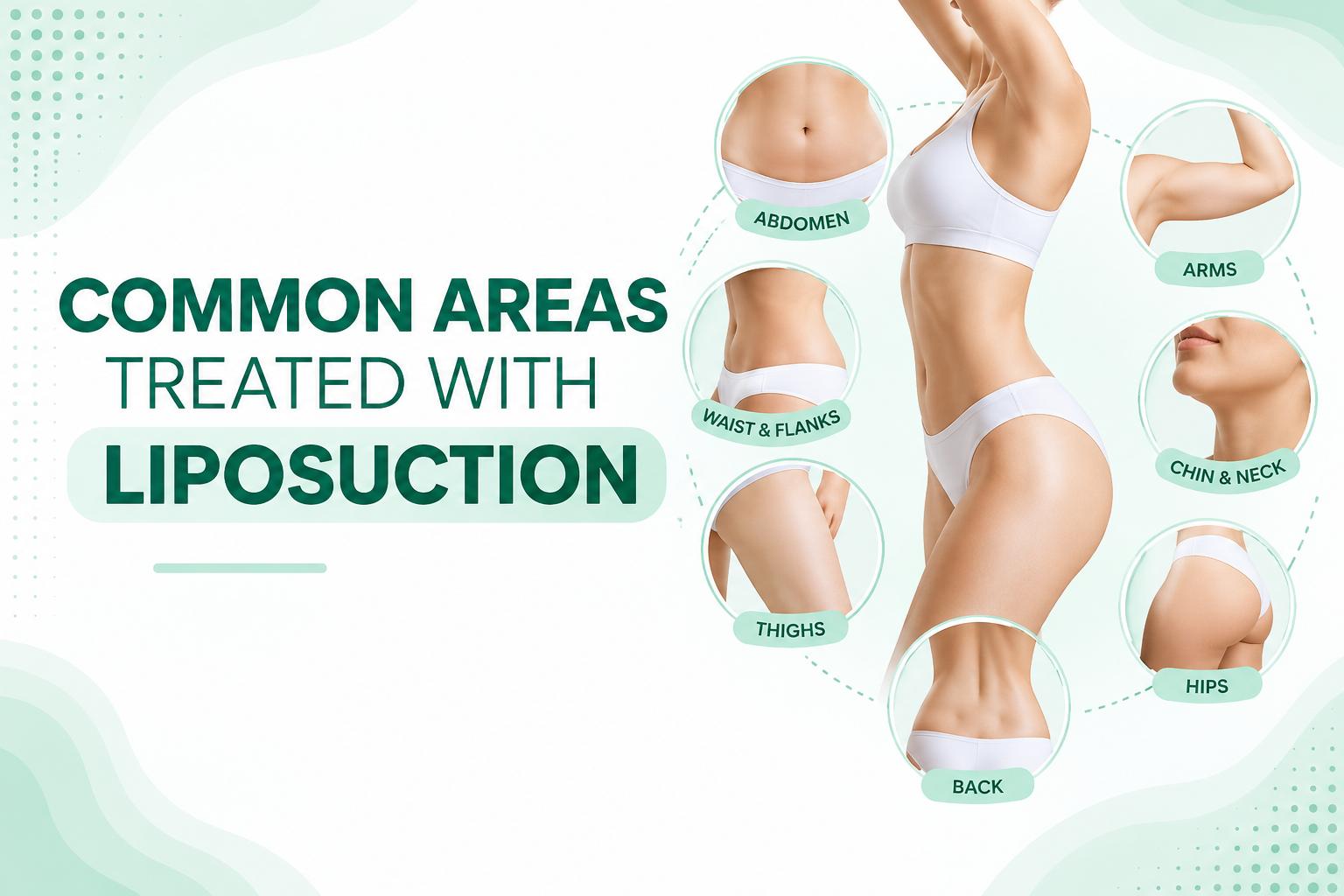
7 Common Areas Treated With Liposuction

The common areas treated with liposuction vary from person to person. Some individuals may have more fat around the abdomen, while others may be concerned about the thighs, hips, arms, or chin.

1. Abdomen

The abdomen is one of the most frequently requested common areas treated with liposuction. Localized abdominal fat can sometimes remain even when a person maintains a healthy diet and exercises regularly.

Liposuction can target excess fat beneath the skin around the upper or lower abdomen. The objective is to create a smoother and more proportionate abdominal contour.

However, loose skin or significant abdominal muscle separation may require a different or additional treatment approach. Liposuction primarily addresses fat rather than excess skin.

2. Waist and Flanks

The waist and flank region, sometimes called the love-handle area, is another common treatment zone.

Fat accumulation around the sides of the waist can affect the overall shape of the torso. Removing localized fat from this region may help create a more defined waistline and improve the transition between the abdomen and hips.

Treating the waist can sometimes be combined with abdominal contouring to achieve a balanced appearance.

3. Thighs

The thighs can develop localized fat deposits on either the inner or outer side. Inner-thigh fat may cause the thighs to appear fuller, while outer-thigh fat can contribute to a wider hip or upper-leg contour.

Liposuction may be considered when localized fat is present and the skin has adequate elasticity.

Treatment may focus on:

  • Inner thighs
  • Outer thighs
  • Front thighs
  • Areas around the knees

The exact treatment area depends on individual fat distribution and the desired contour.

4. Hips and Buttock Area

The hips can sometimes develop stubborn fat deposits that affect overall body proportions. Liposuction can be used to reduce excess fat around the hips and surrounding areas.

The procedure may also be incorporated into body contouring plans where the goal is to improve the relationship between the waist, hips, and thighs.

It is important to understand that liposuction removes fat rather than automatically creating a specific buttock shape. Any treatment plan should be based on realistic anatomical goals.

5. Upper Arms

Upper-arm fat is another area that may be considered for liposuction. Some people develop localized fullness in the upper arms that remains despite physical activity.

Liposuction can reduce excess subcutaneous fat and potentially create a slimmer arm contour.

The quality and elasticity of the skin are important factors. If there is substantial loose skin, fat removal alone may not produce the desired appearance.

6. Chin and Neck

The chin and upper neck are smaller treatment areas but can have a significant effect on facial profile.

Localized fat beneath the chin can make the jawline appear less defined. Liposuction in this area may help reduce excess fat and improve the transition between the chin, jaw, and neck.

Because the chin and neck are highly visible areas, treatment requires careful planning and attention to proportion.

7. Back

The back is also among the common areas treated with liposuction, particularly when localized fat deposits create fullness around the upper or lower back.

Back contouring may focus on areas where fat creates visible bulges or uneven transitions. Treatment can sometimes be combined with waist or flank contouring to create a more balanced overall body shape.

The amount and location of fat removed depend on the individual’s anatomy and the treatment plan.

Why Does Fat Accumulate in These Areas

Localized fat accumulation can occur for several reasons. Genetics, age, hormones, lifestyle, body composition, and natural fat distribution can all influence where the body stores fat.

Some areas may be particularly resistant to changes caused by diet and exercise.

Common factors include:

  • Genetic body shape
  • Changes associated with aging
  • Hormonal influences
  • Reduced physical activity
  • Weight fluctuations
  • Natural differences in fat distribution

Even people who maintain a healthy lifestyle can have localized fat deposits. This is one reason why body contouring procedures such as liposuction are considered by some individuals.

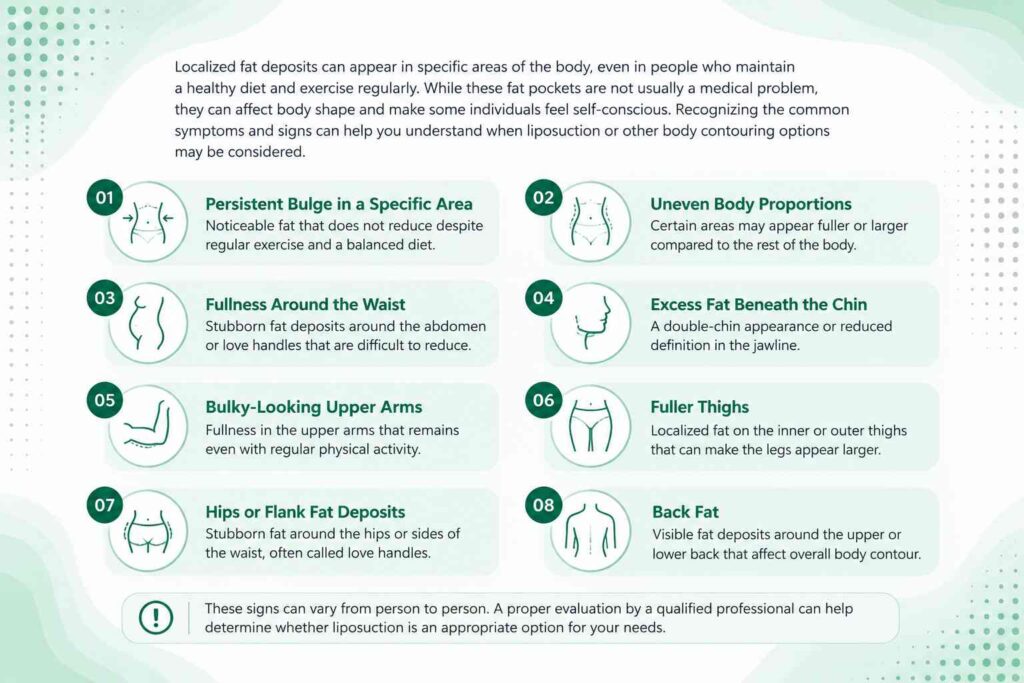
Symptoms and Signs of Localized Fat Deposits

Symptoms and signs of localized fat deposits including abdominal, waist, thigh, arm, hip, chin, and back fat

Localized fat is generally not a medical symptom or disease. Instead, people usually notice changes in body shape or contour.

Common concerns include:

  • A persistent bulge in a specific area
  • Uneven body proportions
  • Fullness around the waist
  • Excess fat beneath the chin
  • Bulky-looking upper arms
  • Fuller thighs
  • Back or flank fat deposits

These concerns can vary considerably between individuals. A proper assessment is necessary to determine whether liposuction is an appropriate option.

Benefits of Liposuction

Understanding the common areas treated with liposuction also involves understanding what the procedure is designed to achieve.

Improved Body Contour

Liposuction can reduce localized fat deposits and help create smoother body contours.

Better Body Proportions

Treating strategically selected areas may improve the visual relationship between different parts of the body.

Targeted Fat Reduction

Unlike general weight loss, liposuction focuses on specific areas where stubborn fat is present.

Potentially Long-Lasting Results

The fat cells removed during liposuction are permanently removed. However, remaining fat cells can enlarge if a person gains significant weight after treatment.

Improved Clothing Fit

Changes in body contours may make certain clothes fit more comfortably or appear more flattering.

Greater Confidence

Some people feel more comfortable with their appearance after achieving their desired body contour.

Who May Be Suitable for Liposuction

Liposuction is generally considered for adults who have localized fat deposits and realistic expectations about the results.

A suitable candidate may:

  • Be at or near a stable body weight
  • Have localized areas of unwanted fat
  • Have relatively good skin elasticity
  • Be in suitable overall health
  • Understand the limitations of liposuction
  • Have realistic expectations

Liposuction is not intended to replace healthy eating, physical activity, or a sustainable weight-management plan.

Areas Liposuction Does Not Treat Well

Although there are several common areas treated with liposuction, the procedure is not suitable for every body concern.

Liposuction may not effectively address:

  • Significant loose skin
  • Cellulite as a primary concern
  • Major muscle separation
  • General obesity
  • Certain medical causes of swelling or enlargement

In cases involving significant loose skin, another body-contouring procedure may be considered. The appropriate approach depends on the individual’s anatomy and goals.

What Happens During Liposuction

The exact technique varies according to the treatment area and surgical plan.

Generally, the process involves several stages:

  1. Consultation and assessment – The treatment areas, health history, expectations, and desired outcome are evaluated.
  2. Treatment planning – The areas requiring fat reduction are identified and marked.
  3. Anesthesia – Appropriate anesthesia is provided according to the extent and type of procedure.
  4. Small incisions – Small access points are created in suitable locations.
  5. Fat removal – A cannula is carefully used to loosen and remove unwanted fat.
  6. Closure and recovery – The treated areas are managed according to the surgical plan, and recovery instructions are provided.

The procedure length depends on the number and size of areas being treated.

Recovery After Liposuction

Recovery varies depending on the amount of fat removed, the number of areas treated, the technique used, and individual healing.

Some swelling, bruising, tenderness, or temporary numbness may occur after treatment.

Recovery instructions may include:

  • Wearing compression garments when advised
  • Taking prescribed medications as directed
  • Walking gently as recommended
  • Avoiding strenuous exercise during the initial recovery period
  • Keeping follow-up appointments
  • Maintaining a healthy lifestyle

Swelling may gradually decrease over time. Final contour changes can take longer to become fully visible.

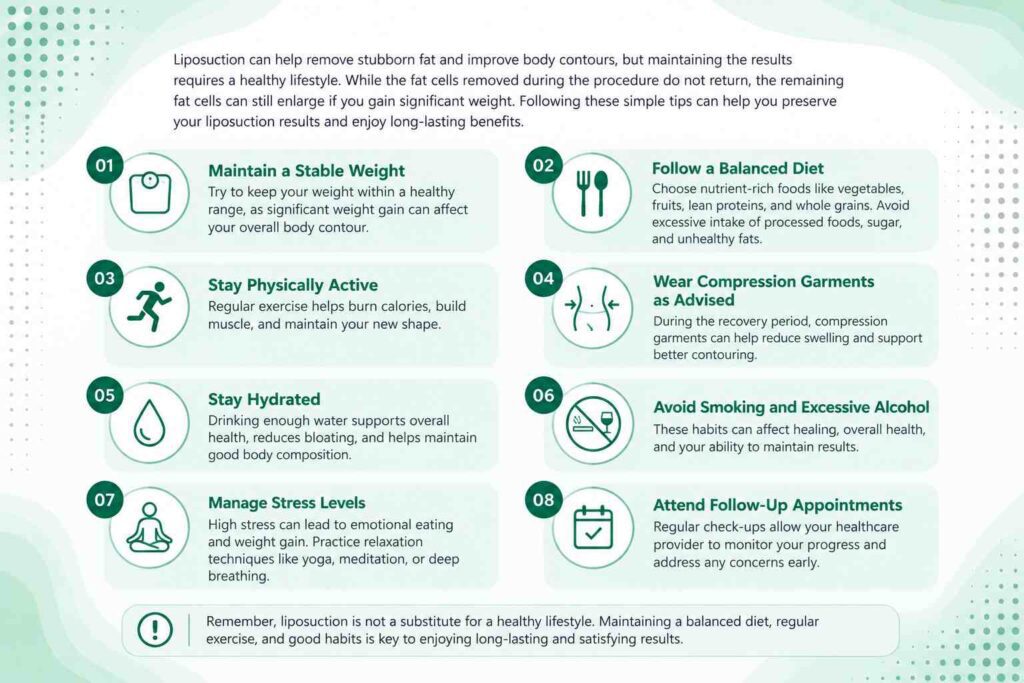
Tips for Maintaining Liposuction Results

Tips for maintaining liposuction results through healthy diet, exercise, hydration, and stable weight

Liposuction can permanently remove treated fat cells, but it does not prevent future weight gain.

To maintain results, consider:

Maintain a Stable Weight

Significant weight gain can affect overall body contour.

Follow a Balanced Diet

Focus on vegetables, fruits, whole grains, lean proteins, and appropriate portions.

Stay Physically Active

Regular exercise can support overall fitness and help maintain a stable body composition.

Follow Recovery Instructions

Proper post-operative care can support healing and recovery.

Attend Follow-Up Visits

Follow-up appointments allow the treatment area to be evaluated during recovery.

Are Liposuction Results Permanent

Fat cells removed through liposuction are permanently removed from the treated area. However, the remaining fat cells can increase in size if significant weight gain occurs.

Therefore, maintaining a stable weight is important for preserving the contour achieved through treatment.

Liposuction should be viewed as a body-contouring procedure rather than a permanent solution for overall weight management.

Can Multiple Areas Be Treated at Once

Multiple treatment areas may sometimes be addressed during one procedure. The decision depends on factors such as the total amount of fat being removed, the patient’s health, the number of areas involved, and the overall surgical plan.

Treating several areas may allow the contours of neighboring regions to be balanced. However, safety and appropriate surgical limits remain important considerations.

Choosing the Right Treatment Areas

The best treatment areas are not necessarily the areas with the largest amount of fat. Instead, treatment planning should consider body proportions and how different areas relate to each other.

For example, treating only the abdomen may produce a different visual effect from treating the abdomen together with the waist or flanks.

A qualified surgical assessment can help determine which areas may benefit most from targeted fat removal.

Important Things to Consider Before Liposuction

Before undergoing liposuction, it is important to understand both its benefits and limitations.

Consider the following:

  • Liposuction is not a substitute for weight loss.
  • Results depend on individual anatomy.
  • Skin elasticity can influence the final contour.
  • Recovery takes time.
  • Swelling may temporarily hide the final result.
  • Maintaining a stable weight helps preserve results.
  • Every surgical procedure carries potential risks.

A detailed consultation is essential before making a treatment decision.

Conclusion

Understanding the common areas treated with liposuction can help you make a more informed decision about body contouring. The abdomen, waist, thighs, hips, arms, chin, neck, and back are frequently considered treatment areas, but the ideal approach depends on individual anatomy, skin quality, fat distribution, and aesthetic goals.

Liposuction can provide targeted fat reduction and improved body proportions when used appropriately. It is important to maintain realistic expectations, understand the recovery process, and follow professional medical guidance before and after treatment. For people considering liposuction in Thrissur, a personalized consultation can help determine which treatment areas are appropriate and what type of result may realistically be achieved.  You can learn more about liposuction, including the areas it can treat and what to expect from the procedure, from the American Society of Plastic Surgeons.

Frequently Asked Questions

The abdomen, waist, flanks, thighs, hips, upper arms, chin, neck, and back are among the most common areas treated with liposuction. The most suitable treatment area depends on individual fat distribution, body proportions, skin quality, and aesthetic goals.
Yes. The abdomen is one of the most frequently treated areas with liposuction. The procedure can target localized fat beneath the skin to help improve abdominal contour and create a more proportionate appearance.
Liposuction can be considered for localized fat on the inner or outer thighs when a person is an appropriate candidate and has suitable skin elasticity. The treatment approach depends on the amount and location of excess fat.
Liposuction may be used to reduce localized fat beneath the chin and improve the contour of the chin and neck in suitable candidates. The amount of improvement depends on factors such as fat distribution and skin elasticity.
Yes. Localized fat in the upper arms may be treated with liposuction. Skin quality and elasticity are important considerations because removing fat alone may not address significant loose skin.
Yes. Localized fat deposits around the upper or lower back and flank region can sometimes be treated with liposuction. Treatment may help create smoother contours and improve the overall proportion of the torso.
No. Liposuction is primarily a body-contouring procedure and is not intended to treat obesity or replace healthy weight-management practices. It is designed to remove localized fat from selected areas of the body.
The fat cells removed during liposuction are permanently removed from the treated area. However, the remaining fat cells can enlarge if significant weight is gained, which may change the overall body contour.
Recovery varies depending on the extent of treatment, number of areas treated, technique used, and individual healing. Swelling, bruising, and tenderness may occur, while the final body contour can take longer to become visible as healing progresses.
Multiple areas can sometimes be treated during one liposuction procedure. The decision depends on factors such as overall health, treatment goals, the amount of fat involved, the number of areas being treated, and appropriate safety considerations.

Sushrutha Institute of Plastic, Reconstructive & Aesthetic Surgery

Dr Jyoshid R Balan

Dr Jyoshid R Balan

Plastic & Reconstructive Surgeon

SIPRAS, Elite Mission Hospital, Thrissur

Dr Pradeep Kumar

Dr Pradeep Kumar

Plastic, Reconstructive & Aesthetic Surgeon

SIPRAS, Elite Mission Hospital, Thrissur

Dr Prince H P

Dr Prince H P

Senior Consultant Plastic Surgeon

SIPRAS, Elite Mission Hospital, Thrissur

Dr Vinu Roy

Dr Vinu Roy

Plastic & Reconstructive Surgeon

SIPRAS, Elite Mission Hospital, Thrissur

Dr Ajai K S

Dr Ajai K S

Plastic & Reconstructive Surgeon

SIPRAS, Elite Mission Hospital, Thrissur