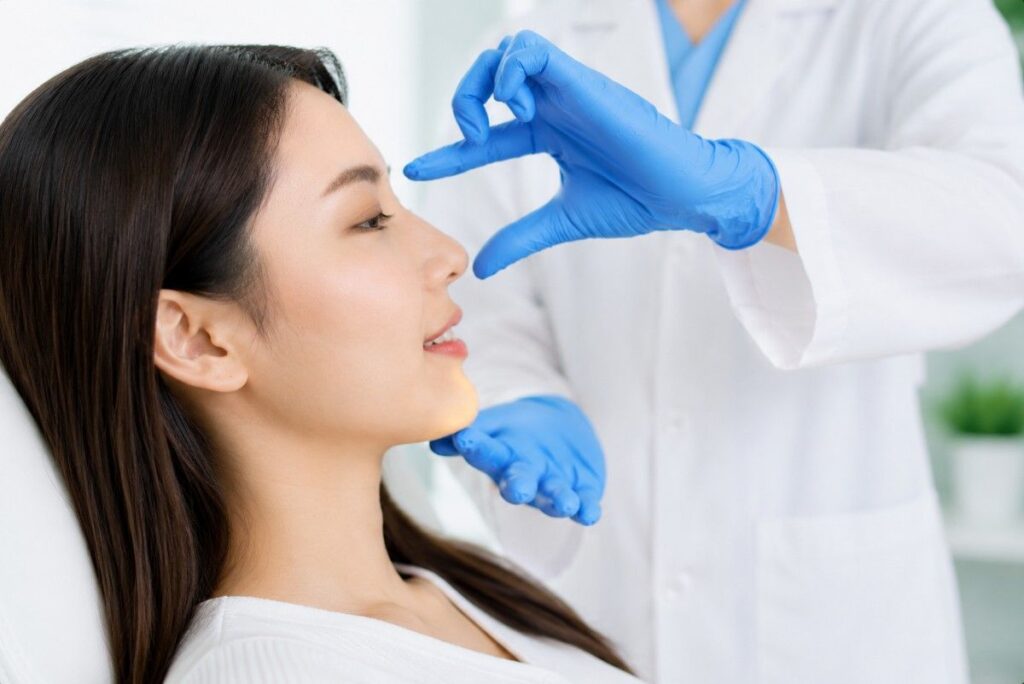
What to Expect After Rhinoplasty Surgery consultation image showing nasal assessment and recovery planning with a cosmetic surgery specialist.

Rhinoplasty is one of the most commonly performed facial cosmetic procedures worldwide. Whether undertaken to improve nasal appearance, enhance facial harmony, correct a structural concern, or improve breathing function, patients often focus on the surgical procedure itself. However, understanding what to expect after rhinoplasty surgery is equally important for a successful experience.

Recovery is a gradual process. While many patients notice changes soon after surgery, the nose continues healing and refining over several months. Knowing what is normal during recovery can reduce anxiety, improve confidence, and help patients follow post-operative instructions effectively.

This guide explains everything patients should know about what to expect after rhinoplasty surgery, from the first few days to long-term healing.

Why Understanding Recovery Matters

Many patients assume the transformation is immediate after surgery. In reality, rhinoplasty recovery occurs in stages.

Understanding what to expect after rhinoplasty surgery helps patients:

  • Prepare emotionally for recovery
  • Follow aftercare instructions properly
  • Maintain realistic expectations
  • Recognize normal healing changes
  • Reduce unnecessary stress
  • Support a smoother recovery process

Every patient heals differently, but understanding general recovery milestones can be extremely helpful.

The First 24 Hours After Rhinoplasty Surgery

The first day is usually focused on rest and recovery.

Patients commonly experience:

  • Mild swelling
  • Nasal congestion
  • Facial tightness
  • Mild discomfort
  • Fatigue from anesthesia
  • Minor drainage around the nose

These early symptoms are expected and usually improve gradually.

During this period, patients are typically encouraged to:

  • Rest comfortably
  • Keep the head elevated
  • Stay hydrated
  • Follow medication instructions
  • Avoid unnecessary activity

The first day is often the most important time for allowing the body to begin healing.

What to Expect During the First Week

The first week is one of the most significant stages when learning what to expect after rhinoplasty surgery.

Swelling

Swelling is normal and often most noticeable during the first week.

Patients may observe:

  • Nasal swelling
  • Puffiness around the eyes
  • Mild facial swelling

The extent varies among individuals.

Bruising

Some patients develop bruising around the eyes and cheeks.

This is generally temporary and gradually fades as healing progresses.

Nasal Congestion

Many patients describe a feeling similar to having a blocked nose.

This sensation usually improves over time as swelling decreases.

Follow-Up Appointments

Follow-up visits allow the surgeon to monitor healing and provide additional guidance.

Understanding Swelling After Rhinoplasty

One of the most important aspects of what to expect after rhinoplasty surgery is swelling.

Swelling is a normal part of healing and often follows a predictable pattern.

Early Swelling

The first few weeks typically involve noticeable swelling.

Gradual Improvement

Most visible swelling decreases significantly during the initial months.

Long-Term Refinement

Subtle swelling may persist longer, especially around the nasal tip.

Patients should remember that final results emerge gradually as tissues settle.

What to Expect During Weeks Two to Four

The second to fourth weeks often bring visible improvement.

Patients commonly notice:

  • Reduced bruising
  • Improved comfort
  • Less congestion
  • Better energy levels
  • More natural nasal appearance

Many individuals feel increasingly confident returning to daily activities during this stage.

Healing, however, remains ongoing.

Returning to Daily Activities

A common question regarding what to expect after rhinoplasty surgery is when normal activities can resume.

Recovery recommendations vary depending on the individual and surgeon’s guidance.

Patients may gradually return to:

  • Office work
  • Light daily activities
  • Social interactions
  • Routine responsibilities

Strenuous activities should only resume according to professional recommendations.

Sleeping After Rhinoplasty Surgery

Proper sleeping position can support recovery.

Patients are often advised to:

  • Sleep on their back
  • Keep the head elevated
  • Avoid pressure on the nose
  • Use supportive pillows

These measures may help minimize swelling and support comfort during healing.

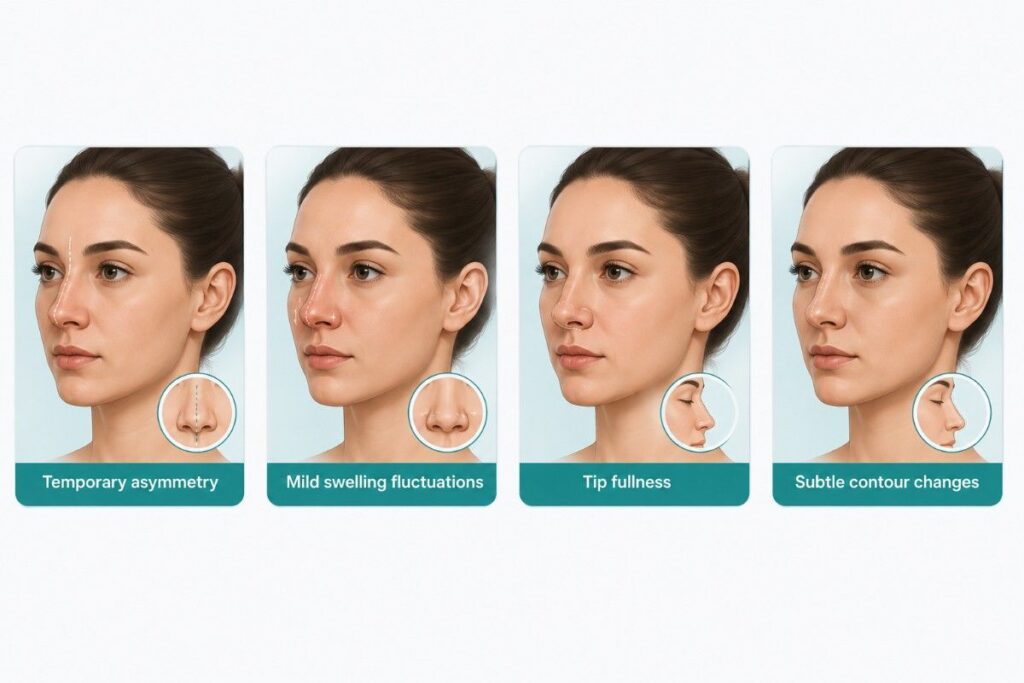
Medical infographic illustrating what to expect after rhinoplasty surgery, showing common nasal appearance changes during recovery, including temporary asymmetry, mild swelling fluctuations, tip fullness, and subtle contour changes.

Nasal Appearance During Recovery

Patients frequently become concerned when the nose does not immediately resemble the final result.

Understanding what to expect after rhinoplasty surgery includes recognizing that appearance changes continuously throughout recovery.

During healing, patients may notice:

  • Temporary asymmetry
  • Mild swelling fluctuations
  • Tip fullness
  • Subtle contour changes

These variations are commonly part of the normal healing process.

Emotional Changes During Recovery

Recovery involves both physical and emotional adjustment.

Some patients experience:

  • Excitement
  • Impatience
  • Temporary uncertainty
  • Increased self-awareness

These feelings are normal and often improve as swelling decreases and results become more visible.

Maintaining realistic expectations is important during this stage.

When Will Final Rhinoplasty Results Be Visible?

One of the most frequently asked questions about what to expect after rhinoplasty surgery concerns final results.

While noticeable improvements often appear relatively early, complete refinement takes time.

Early Improvements

Visible changes may become apparent within weeks.

Ongoing Refinement

The nose continues settling and healing gradually.

Final Outcome

Final results emerge over several months as tissues fully adapt.

Patience is an essential part of the rhinoplasty journey.

Tips for a Smooth Rhinoplasty Recovery

Patients can support recovery by following professional instructions carefully.

Helpful habits include:

Stay Hydrated

Proper hydration supports overall wellness.

Attend Follow-Up Visits

Scheduled appointments allow monitoring of healing progress.

Protect the Nose

Avoid accidental impacts and unnecessary pressure.

Follow Activity Guidelines

Gradually resume activities according to medical advice.

Eat Nutritious Foods

Balanced nutrition supports recovery and general health.

Common Concerns During Recovery

Is Swelling Normal?

Yes. Swelling is expected and gradually improves.

Is Congestion Common?

Temporary congestion frequently occurs after rhinoplasty.

Why Does My Nose Look Different Each Week?

Healing changes continuously throughout recovery.

How Long Does Recovery Take?

Recovery timelines vary, but refinement continues for several months.

Understanding these concerns can help patients feel more confident throughout healing.

What to Avoid After Rhinoplasty Surgery

Knowing what to avoid is an important part of understanding what to expect after rhinoplasty surgery.

Patients are often advised to avoid:

  • Strenuous exercise too early
  • Heavy lifting
  • Direct trauma to the nose
  • Sleeping face down
  • Ignoring post-operative instructions

Following recovery guidelines helps support optimal healing.

Long-Term Benefits of Proper Recovery

When patients follow recovery instructions carefully, they may experience:

  • Improved healing experience
  • Better comfort during recovery
  • Enhanced confidence
  • Natural-looking results
  • Long-term satisfaction

Recovery is a crucial component of the overall treatment journey.

If you are planning nose reshaping treatment, read our detailed guide on Rhinoplasty surgery in Kerala to learn how consultations, lifestyle adjustments, and recovery planning can help you prepare for treatment.

Conclusion

Understanding what to expect after rhinoplasty surgery helps patients approach recovery with realistic expectations and greater confidence. Healing occurs gradually, with swelling, congestion, and appearance changes being normal parts of the recovery process. While early improvements may be visible within weeks, final refinement takes time as tissues continue to heal.

By following professional aftercare instructions, attending follow-up appointments, protecting the nose during recovery, and maintaining patience throughout the healing journey, patients can support a smoother recovery experience. Knowing what to expect after rhinoplasty surgery allows individuals to focus on healing while appreciating the gradual improvements that develop over time. For additional patient education about rhinoplasty recovery and healing, visit the American Society of Plastic Surgeons – Rhinoplasty Recovery Information.

Frequently Asked Questions

1. What should I expect immediately after rhinoplasty surgery?
Patients commonly experience swelling, mild discomfort, nasal congestion, and temporary bruising during the first few days after rhinoplasty surgery.
2. Is swelling normal after rhinoplasty surgery?
Yes. Swelling is a normal part of healing after rhinoplasty surgery and gradually improves over time as recovery progresses.
3. How long does rhinoplasty recovery take?
Initial recovery often occurs within a few weeks, but subtle healing and refinement of the nose may continue for several months.
4. When can I return to work after rhinoplasty surgery?
Many patients return to office-based work within one to two weeks, depending on individual recovery and professional recommendations.
5. Is nasal congestion common after rhinoplasty?
Yes. Temporary nasal congestion is common because of internal swelling and usually improves gradually during the healing process.
6. When will I see the final results of rhinoplasty surgery?
Visible improvements appear early, but final rhinoplasty results develop gradually as swelling subsides and tissues continue healing.
7. How should I sleep after rhinoplasty surgery?
Patients are generally advised to sleep on their back with the head elevated to help reduce swelling and avoid pressure on the nose.
8. Can swelling increase temporarily during recovery?
Yes. Mild fluctuations in swelling can occur throughout recovery and are often considered a normal part of the healing process.
9. What activities should I avoid after rhinoplasty surgery?
Patients are usually advised to avoid strenuous exercise, heavy lifting, contact sports, and activities that may place pressure on the nose during recovery.
10. Why are follow-up appointments important after rhinoplasty?
Follow-up appointments allow the surgeon to monitor healing, assess recovery progress, answer questions, and provide personalized aftercare guidance.

Sushrutha Institute of Plastic, Reconstructive & Aesthetic Surgery

Dr Jyoshid R Balan

Dr Jyoshid R Balan

Plastic & Reconstructive Surgeon

SIPRAS, Elite Mission Hospital, Thrissur

Dr Pradeep Kumar

Dr Pradeep Kumar

Plastic, Reconstructive & Aesthetic Surgeon

SIPRAS, Elite Mission Hospital, Thrissur

Dr Prince H P

Dr Prince H P

Senior Consultant Plastic Surgeon

SIPRAS, Elite Mission Hospital, Thrissur

Dr Vinu Roy

Dr Vinu Roy

Plastic & Reconstructive Surgeon

SIPRAS, Elite Mission Hospital, Thrissur

Dr Ajai K S

Dr Ajai K S

Plastic & Reconstructive Surgeon

SIPRAS, Elite Mission Hospital, Thrissur