
What are the risks of cleft lip surgery? Cleft lip surgery is a commonly performed reconstructive procedure that helps restore the structure and function of the lip while supporting healthy facial development. For families and individuals seeking reliable medical information in Thrissur, understanding the possible risks of cleft lip surgery is an important part of informed decision-making. While the procedure is generally considered safe when performed under proper medical supervision, like any surgery, it carries certain potential risks and complications.
Being aware of these risks does not mean that complications are expected, but it allows patients and caregivers to prepare appropriately, recognize warning signs early, and follow postoperative care instructions more effectively.
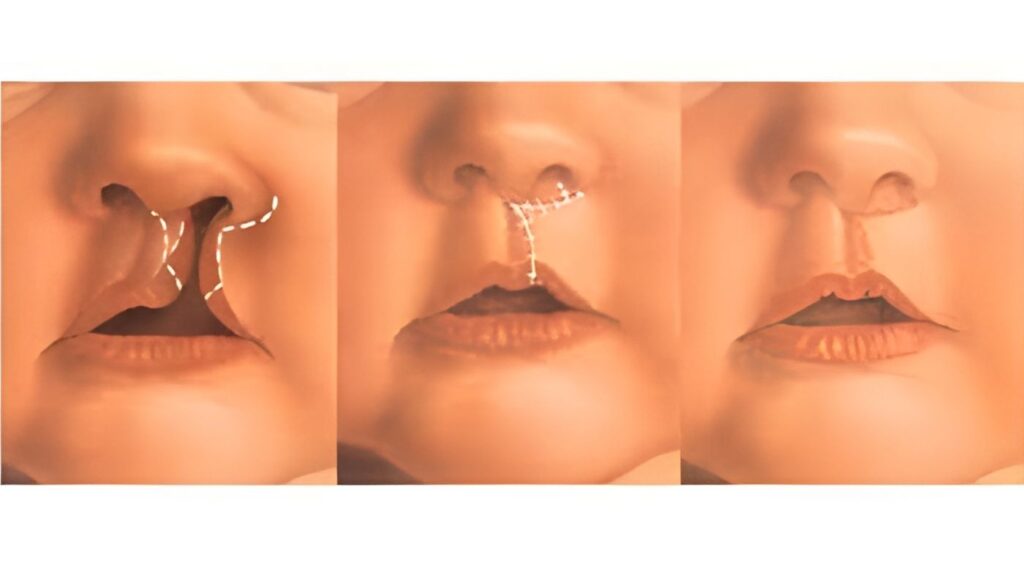
Understanding Surgical Risk in Cleft Lip Repair
All surgical procedures involve some degree of risk due to factors such as anesthesia, wound healing, and individual health conditions. In cleft lip surgery, risk levels depend on the patient’s age, overall health, severity of the cleft, and the complexity of the procedure.
Most complications are temporary and manageable when detected early. A thorough preoperative evaluation and proper postoperative care significantly reduce the likelihood of serious problems.
Common Short-Term Risks After Cleft Lip Surgery
Swelling and Bruising
Swelling and mild bruising around the lips and nose are common after surgery. These changes are part of the natural healing process and usually improve within a few days to weeks.
Swelling may appear uneven at first but gradually settles as the tissues heal.
Pain and Discomfort
Some level of pain or discomfort is expected following surgery. This is typically temporary and can be managed with prescribed medications and proper care.
Discomfort usually decreases significantly within the first week as healing progresses.
Bleeding
Minor bleeding from the surgical site may occur during the first few days after surgery. This is generally mild and stops with proper wound care.
Persistent or heavy bleeding is uncommon and should be reported to a healthcare provider immediately.
Infection
Infection is a potential risk with any surgical procedure. Signs of infection may include increased redness, warmth, swelling, discharge, or fever.
Following wound care instructions and maintaining hygiene helps reduce this risk. Prompt medical attention is important if symptoms of infection appear.
Wound Healing-Related Risks
Delayed Healing
In some cases, the surgical wound may take longer to heal. This can occur due to factors such as nutritional status, general health, or inadequate wound care.
Delayed healing usually improves with proper follow-up and medical guidance.
Wound Separation
Rarely, the surgical incision may partially open during the healing period. This can happen if the area experiences excessive movement or strain.
Careful handling, feeding adjustments for infants, and avoiding pressure on the surgical site help reduce this risk.
Scar Formation
Scarring is a natural outcome of any surgical incision. While surgeons aim to place incisions in areas that heal with minimal visibility, scar appearance can vary.
Some individuals may develop thicker or more noticeable scars. Over time, scars often fade and become less prominent with proper care and monitoring.
Anesthesia-Related Risks
Reaction to Anesthesia
General anesthesia is commonly used during cleft lip surgery. Although serious reactions are rare, possible side effects may include nausea, dizziness, or temporary breathing difficulties.
Anesthesia teams evaluate the patient’s health before surgery to minimize risks and ensure safe administration.
Breathing-Related Issues
Infants and young children may experience temporary breathing changes after anesthesia. These are usually monitored closely in the recovery area until normal breathing patterns return.
Careful postoperative observation helps ensure patient safety.
Functional Risks After Surgery
Temporary Feeding Difficulties
Some patients, especially infants, may experience temporary feeding challenges after surgery. Swelling and tenderness can affect sucking or swallowing patterns.
Healthcare providers often give specific feeding instructions to support nutrition and comfort during recovery.
Speech-Related Concerns
Although cleft lip surgery supports improved speech development, some children may require additional speech therapy as they grow.
Speech outcomes depend on several factors, including associated cleft palate involvement and individual development patterns.
Aesthetic and Structural Risks
Asymmetry
While surgeons aim to achieve symmetry, minor differences in lip shape or nasal appearance may remain after healing.
In most cases, these differences are subtle and improve as facial tissues settle over time.
Need for Revision Surgery
Some patients may require additional corrective procedures later in life to improve appearance or function. Revision surgery may be recommended if healing outcomes are not optimal or if facial growth affects surgical results.
Long-Term Considerations
Facial Growth Changes
As children grow, facial structures change. This can influence the appearance of the repaired lip and nose over time.
Regular follow-up helps monitor development and address concerns early.
Dental and Orthodontic Issues
Some individuals with cleft lip may develop dental alignment problems or jaw growth differences. These may require orthodontic care during childhood or adolescence.
While not directly caused by surgery, these issues are part of the overall treatment journey.
Psychological and Emotional Factors
Emotional Adjustment
Surgery can be emotionally challenging for both patients and families. Anxiety before surgery and stress during recovery are common experiences.
Providing emotional support, clear information, and reassurance helps reduce psychological strain.
Social Concerns
Appearance-related concerns may affect self-confidence, especially in older children and adolescents. Supportive counseling and positive reinforcement can help individuals adjust more comfortably.
Factors That Influence Risk Levels
Several factors can affect the likelihood of complications:
Overall health status
Nutritional condition
Severity of the cleft
Age at the time of surgery
Quality of postoperative care
Presence of associated medical conditions
Proper evaluation before surgery helps identify and manage these factors effectively.
How Risks Are Minimized
Preoperative Evaluation
A detailed medical assessment before surgery helps identify potential risk factors. This may include blood tests, physical examinations, and anesthesia evaluations.
These steps ensure that the patient is medically ready for surgery.
Skilled Surgical Planning
Careful surgical planning and technique play a major role in reducing complications. Individualized treatment plans help improve outcomes and safety.
Postoperative Care and Monitoring
Following postoperative instructions is essential for smooth recovery. This includes wound care, medication use, feeding guidelines, and follow-up visits.
Early detection of problems allows timely intervention and prevents more serious complications.
Warning Signs That Require Medical Attention
Families and patients should be aware of symptoms that may indicate complications, including:
Persistent or heavy bleeding
Increasing swelling or redness
Fever or signs of infection
Difficulty breathing
Wound separation
Severe pain not relieved by medication
Prompt medical evaluation is important if any of these signs appear.
Balancing Risks and Benefits
While cleft lip surgery carries certain risks, the benefits often outweigh potential complications. Surgery improves lip structure, supports feeding and speech development, and enhances facial appearance.
Understanding both risks and benefits helps families make informed choices and approach treatment with realistic expectations.
Importance of Follow-Up Care
Long-term follow-up is an essential part of cleft lip management. Regular check-ups allow healthcare providers to monitor healing, facial growth, and functional development.
Follow-up care also provides opportunities to address concerns early and adjust treatment plans if needed.
Preparing for Surgery With Confidence
Being informed about possible risks allows families to prepare emotionally and practically for surgery. Asking questions, following medical advice, and maintaining open communication with healthcare providers all contribute to a smoother treatment journey.
Preparation also helps reduce anxiety and builds confidence in the care process.
Final Overview
Cleft lip surgery is a well-established and generally safe procedure, but it is important to understand the potential risks involved. These may include temporary swelling, infection, scarring, anesthesia-related effects, and the possibility of future corrective procedures. Most complications are manageable with proper medical care and timely follow-up.
For families and individuals planning cleft lip treatment in Thrissur, being aware of these risks supports informed decision-making and realistic expectations. With appropriate preparation, professional care, and ongoing monitoring, most patients achieve positive outcomes and improved quality of life.
TABLE OF CONTENT
Cleft lip is a congenital condition in which there is an opening or split in the upper lip due to incomplete facial development before birth. Learn more
Good candidates include infants or individuals with cleft lip who are medically stable and suitable for surgical correction based on clinical evaluation. Learn more
The cost of cleft lip surgery varies depending on the complexity of the condition, hospital facilities, surgical technique, and postoperative care needs. Learn more
During the consultation, the doctor evaluates the cleft severity, reviews medical history, discusses surgical planning, and explains expected outcomes. Learn more
You should ask about the surgical approach, timing of surgery, recovery process, possible risks, and long-term follow-up care. Learn more
Frequently Asked Questions
1. Is cleft lip surgery considered safe?
Cleft lip surgery is generally considered safe when performed by trained medical professionals with proper evaluation and care.
2. What are the most common risks after cleft lip surgery?
Common risks include swelling, bruising, mild pain, temporary bleeding, and risk of infection.
3. Can scarring occur after cleft lip surgery?
Yes, scarring is a natural part of healing, but scars usually fade over time with proper care.
4. Are anesthesia-related risks common in cleft lip surgery?
Serious anesthesia complications are rare, though mild side effects such as nausea may occur.
5. Can feeding difficulties occur after surgery?
Some infants may experience temporary feeding challenges during early recovery.
6. Is there a chance that revision surgery may be needed?
In some cases, additional procedures may be required to improve appearance or function.
7. How long does swelling last after cleft lip surgery?
Swelling usually reduces within a few weeks, with gradual improvement over time.
8. What signs indicate a possible complication?
Warning signs include fever, increasing redness, persistent bleeding, or wound separation.
9. Do all patients experience the same risks?
No, risks vary depending on age, health condition, and cleft severity.
10. How can the risks of cleft lip surgery be reduced?
Risks can be minimized by proper medical evaluation and following postoperative care instructions.
