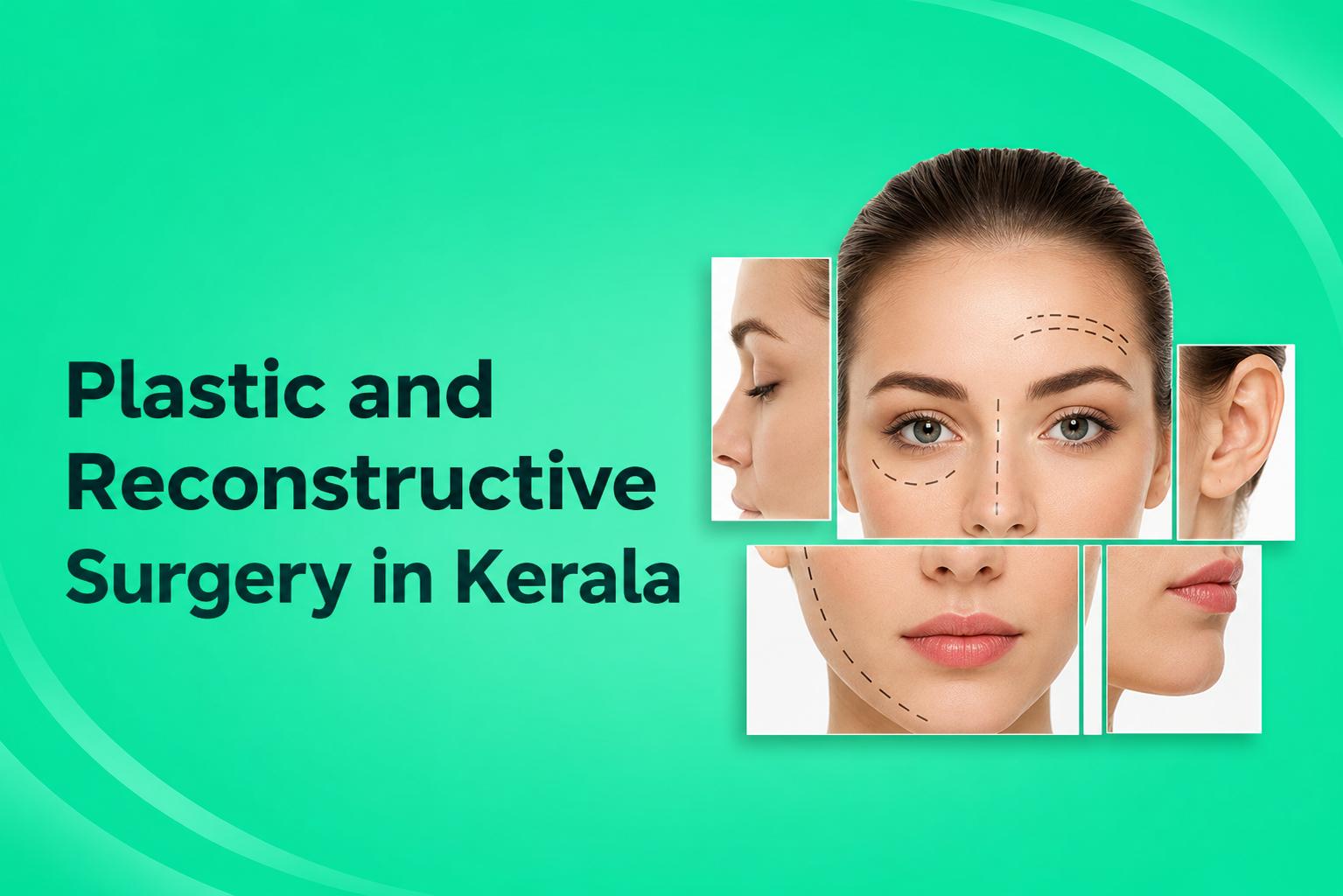
Plastic and Reconstructive Surgery in Kerala covers a wide range of procedures designed to restore body structures affected by injury, burns, disease, congenital conditions, cancer treatment, or complex wounds. Unlike procedures performed only to change appearance, reconstructive surgery often focuses on restoring both physical function and appearance.
Modern plastic surgery combines surgical expertise, advanced techniques, careful treatment planning, and structured recovery. Depending on the patient’s condition, treatment may involve skin grafting, flap surgery, scar revision, breast reconstruction, facial reconstruction, hand reconstruction, or other specialised procedures.
Understanding the purpose of each procedure, when it may be recommended, its possible benefits, and the recovery process can help patients make informed decisions about their treatment.
What Is Plastic and Reconstructive Surgery
Plastic and reconstructive surgery is a specialised field of surgery concerned with repairing, restoring, reconstructing, or reshaping tissues and body structures.
Reconstructive surgery is generally considered when a person’s normal anatomy or function has been affected by a medical condition, injury, surgery, or developmental difference. The treatment objective can vary significantly from one patient to another.
Some procedures primarily focus on restoring function, while others aim to address both function and appearance.
Common reasons for reconstructive surgery include:
- Severe injuries caused by accidents
- Burn injuries
- Complex wounds
- Skin and soft-tissue loss
- Cancer-related surgery
- Congenital abnormalities
- Hand and limb injuries
- Significant scarring
- Tissue damage following infection
- Structural abnormalities affecting function
Plastic and Reconstructive Surgery in Kerala may therefore involve relatively simple procedures as well as complex operations requiring advanced reconstructive techniques.
The recommended approach depends on the affected area, extent of tissue damage, general health, previous treatment, and expected outcome.
When Is Reconstructive Surgery Recommended
Reconstructive surgery may be recommended when an injury or medical condition has significantly changed the structure or function of a particular body part.
A detailed medical assessment is normally required before deciding whether surgery is appropriate.
Trauma and Accidental Injuries
Serious accidents can damage skin, muscles, tendons, nerves, blood vessels, and bones. Reconstruction may be required when wounds cannot be adequately managed through routine wound closure.
Depending on the injury, treatment may include wound repair, skin grafting, flap reconstruction, tendon repair, nerve repair, or other procedures.
Burn Injuries
Severe burns can result in tissue loss and permanent scarring. Contractures may also develop when scar tissue becomes tight and restricts movement.
Reconstructive surgery may help release restrictive scars, restore movement, and provide improved tissue coverage.
Cancer Surgery
Cancer treatment may require removal of skin, soft tissue, or other structures. Reconstruction can help restore the shape and function of the affected area after tissue removal.
Congenital Conditions
Some people are born with structural differences involving the face, breast, hands, limbs, or other areas. Selected reconstructive procedures may improve physical function and appearance.
Complex Wounds
Large or difficult-to-heal wounds may require specialised reconstructive techniques to provide healthy tissue coverage and support healing.
What Are the Main Types of Reconstructive Surgery
There is no single reconstructive technique that is suitable for every patient. The procedure is selected according to the location and extent of tissue damage.
Skin Grafting
A skin graft involves taking healthy skin from one area of the body and transferring it to another area that requires coverage.
Skin grafting can be used for certain burns, wounds, injuries, and areas where sufficient skin has been lost.
The success of a graft depends on factors such as the condition of the wound, blood supply, infection control, and postoperative care.
Flap Reconstruction
Flap surgery involves moving tissue from one part of the body to another while maintaining or establishing an adequate blood supply.
Flaps may contain skin, fat, muscle, or a combination of tissues.
This approach can be useful when a wound requires more substantial tissue coverage than a skin graft can provide.
Scar Revision
Scar revision aims to improve the appearance, flexibility, or function of a problematic scar.
A scar cannot always be completely removed, but surgical techniques may make it less noticeable or reduce restriction in selected cases.
Breast Reconstruction
Breast reconstruction may be considered following breast cancer surgery or other conditions that have changed the shape or volume of the breast.
Depending on the individual situation, reconstruction may involve implants, the patient’s own tissue, or a combination of techniques.
Facial Reconstruction
Facial reconstructive procedures may be required after trauma, burns, tumour removal, congenital conditions, or other structural problems.
The treatment may focus on restoring facial symmetry, soft-tissue coverage, movement, or other functions.
Hand Reconstruction
The hand contains many small structures that work together to provide movement and sensation. Injuries affecting tendons, nerves, skin, or other tissues can therefore have a major impact on everyday activities.
Reconstructive treatment may help restore function when appropriate.
Plastic and Reconstructive Surgery After Trauma
Traumatic injuries can involve multiple layers of tissue and may require careful reconstruction.
A patient with a complex injury may initially require emergency treatment to control bleeding, prevent infection, and stabilise the wound. Reconstructive treatment may then be performed according to the condition of the tissues.
Possible procedures include:
- Wound closure
- Skin grafting
- Local flap reconstruction
- Regional flap reconstruction
- Microsurgical reconstruction
- Tendon repair
- Nerve repair
- Scar revision
- Rehabilitation
The timing of reconstruction depends on the injury and the patient’s overall medical condition.
Early specialist assessment can be valuable because damaged tissues may change considerably during the first stages of healing.
Reconstruction After Cancer Treatment
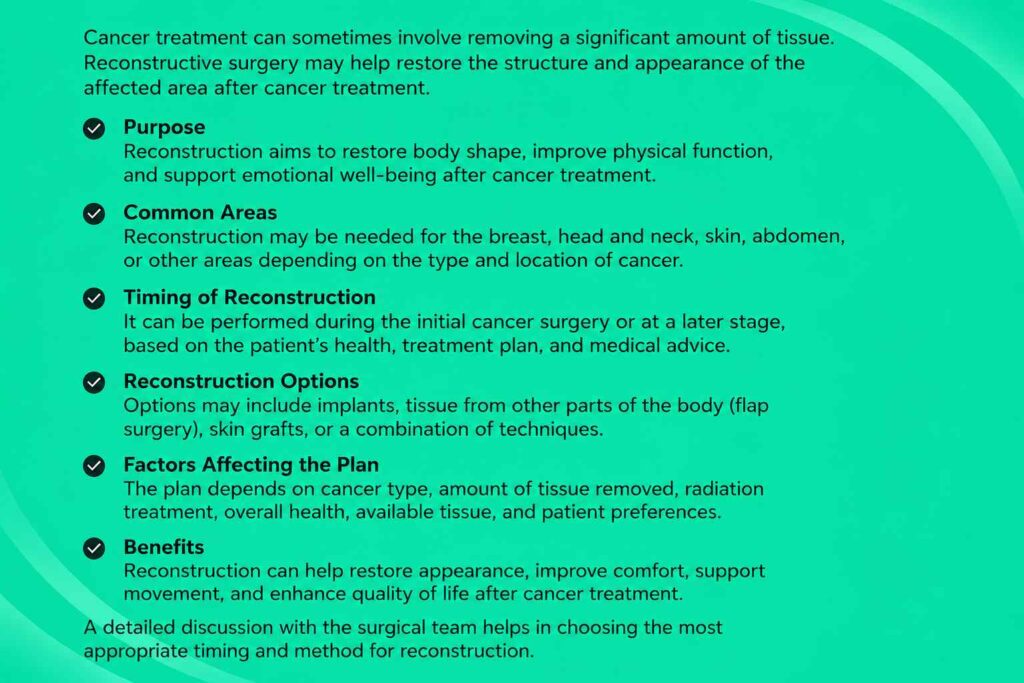
Cancer treatment can sometimes involve removing a substantial amount of tissue. Reconstructive surgery may help restore the structure of the affected area after cancer treatment.
Breast reconstruction is one common example. Reconstruction may also be considered after treatment involving the head, neck, skin, abdomen, or other parts of the body.
The treatment plan may depend on:
- Type of cancer
- Location of the tumour
- Amount of tissue removed
- Previous surgery
- Radiation therapy
- General health
- Available donor tissue
- Patient preferences
- Expected cancer treatment
Reconstruction may sometimes be performed during the primary cancer operation or planned as a separate procedure later.
The appropriate timing should be determined by the treating medical team based on the patient’s individual circumstances.
What Are the Benefits of Reconstructive Surgery
The benefits of reconstructive surgery depend on the patient’s condition and the procedure performed.
Restoring Function
One of the major objectives of reconstructive surgery is to improve physical function that has been affected by injury, disease, or surgery.
For example, reconstruction involving the hand may aim to improve movement, while treatment for restrictive burn scars may improve mobility.
Improving Tissue Coverage
Some wounds require additional healthy tissue to protect underlying structures. Skin grafts and flap procedures can provide appropriate coverage in selected cases.
Improving Physical Structure
Reconstruction may restore the shape or structure of an affected body part after tissue loss or surgical removal.
Reducing Functional Scar Problems
Some scars are not merely cosmetic. Tight scar tissue may restrict movement or interfere with normal function. Selected surgical procedures may release or revise such scars.
Supporting Confidence
Major injuries, burns, cancer treatment, and congenital conditions can affect how a person feels about their appearance. Restoring physical structure may help improve confidence and emotional well-being.
However, patients should maintain realistic expectations because reconstructive surgery cannot always recreate the exact original appearance or function.
How Is the Appropriate Procedure Selected
Treatment planning begins with a detailed consultation and physical examination.
The surgical team may consider:
- The underlying medical condition
- Location of the affected area
- Size and depth of tissue loss
- Skin quality
- Blood supply
- Previous surgeries
- Existing medical conditions
- Current medications
- Smoking or tobacco use
- Nutritional status
- Functional requirements
- Patient expectations
Imaging studies, blood tests, or other investigations may be recommended when necessary.
The surgeon may discuss multiple approaches and explain the advantages, limitations, recovery requirements, and potential complications of each option.
What Happens During a Consultation
A consultation is an important part of planning Plastic and Reconstructive Surgery in Kerala.
During the appointment, the surgical team may review the patient’s medical history and examine the area requiring treatment.
The consultation may include:
- Review of the medical history
- Physical examination
- Discussion of symptoms and concerns
- Assessment of functional problems
- Review of previous treatments
- Discussion of treatment options
- Explanation of expected outcomes
- Discussion of possible risks
- Explanation of recovery requirements
- Planning of investigations or surgery if appropriate
Patients should provide accurate information about previous operations, allergies, medications, tobacco use, and existing medical conditions.
It is also useful to prepare questions before the consultation so that important concerns can be discussed clearly.
How Should You Prepare for Surgery
Preparation depends on the procedure and the patient’s health.
Before surgery, patients may be advised to:
- Complete recommended medical investigations.
- Follow fasting instructions when applicable.
- Provide details of current medications.
- Discuss allergies with the healthcare team.
- Avoid smoking and tobacco products.
- Maintain adequate nutrition.
- Follow instructions regarding prescribed medicines.
- Arrange transportation if necessary.
- Plan sufficient time for recovery.
- Arrange assistance with household activities if required.
Patients should not discontinue prescribed medication unless specifically instructed by their healthcare professional.
Good preparation can support safer surgery and a smoother recovery.
What Is Recovery Like After Reconstructive Surgery
Recovery varies significantly depending on the type and extent of surgery.
Smaller procedures may require a relatively short recovery period, while complex reconstruction may require several weeks or longer.
Temporary symptoms can include:
- Swelling
- Bruising
- Discomfort
- Tightness
- Numbness
- Reduced movement
- Wound sensitivity
- Temporary changes in sensation
These symptoms may gradually improve during the healing process.
Postoperative care can include wound care, dressing changes, medication, physical therapy, scar management, and scheduled follow-up appointments.
Patients should avoid returning to strenuous physical activity too quickly. The appropriate time to resume exercise, work, driving, or other activities depends on the procedure and should be discussed with the treating team.
What Are the Possible Risks
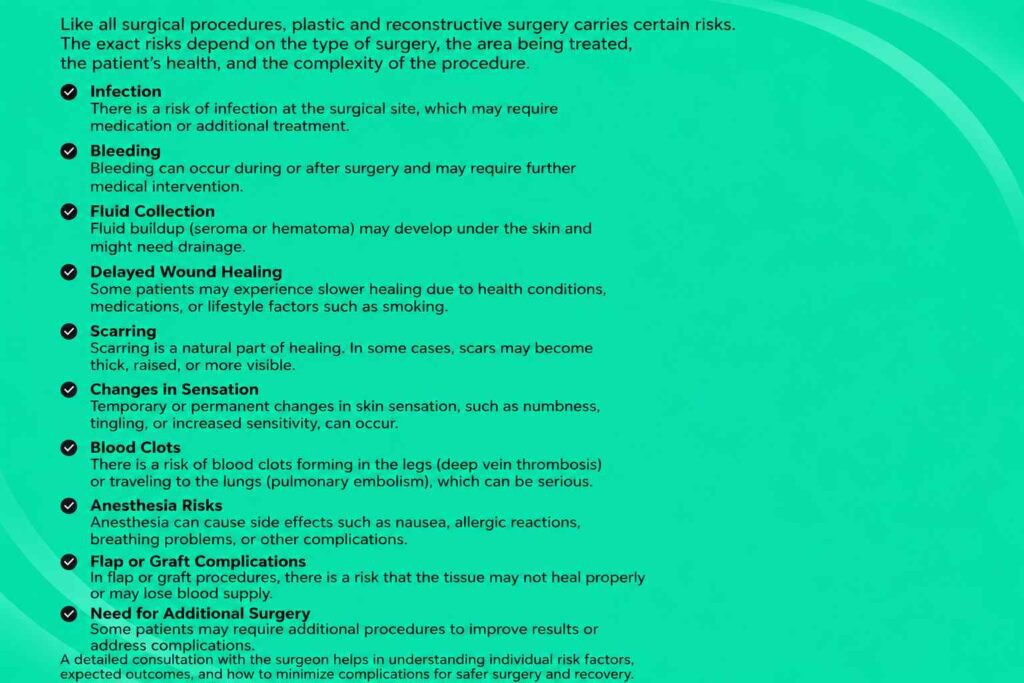
All surgical procedures carry potential risks. The exact risks depend on the operation, the patient’s health, and the complexity of reconstruction.
Possible complications include:
- Infection
- Bleeding
- Fluid collection
- Delayed wound healing
- Excessive scarring
- Changes in sensation
- Blood clots
- Anaesthesia-related complications
- Wound separation
- Graft failure
- Flap-related complications
- Need for additional surgery
Patients with certain medical conditions or lifestyle factors may have a higher risk of complications.
A detailed consultation allows the surgical team to assess individual risk factors and explain them before treatment.
How Can Patients Support Recovery
Postoperative instructions should be followed carefully.
Patients can support recovery by:
- Keeping the surgical area clean according to instructions
- Taking prescribed medication correctly
- Attending follow-up appointments
- Avoiding activities that place excessive stress on the wound
- Maintaining adequate nutrition
- Staying appropriately hydrated
- Avoiding smoking
- Protecting healing tissues from injury
- Following physiotherapy instructions when recommended
Healing time differs between patients. Comparing one person’s recovery with another’s may therefore create unrealistic expectations.
Understanding Scars After Surgery
Scarring is a natural part of the healing process.
Although surgeons carefully plan incisions and closure techniques, it is not possible to guarantee scar-free surgery.
Scar appearance can be influenced by:
- Genetics
- Skin type
- Location of the incision
- Surgical technique
- Wound tension
- Infection
- Sun exposure
- Postoperative care
A scar may initially appear red, raised, firm, or darker than the surrounding skin. Over time, it may gradually become softer and less prominent.
Depending on the type of scar, treatment may include silicone-based products, pressure therapy, injections, laser-based treatment, or surgical revision.
How Can You Choose a Suitable Surgical Team
Choosing a qualified and experienced surgical team is an important part of planning treatment.
Patients should consider whether the surgeon has appropriate qualifications and experience relevant to the required reconstructive procedure.
Important factors to discuss include:
- Surgical qualifications
- Relevant procedure experience
- Hospital or surgical facility
- Anaesthesia support
- Postoperative monitoring
- Follow-up arrangements
- Rehabilitation support
- Emergency facilities
- Expected recovery
- Potential complications
Patients should be cautious about making decisions based solely on promotional photographs or claims.
A proper medical consultation provides a better opportunity to understand whether a particular procedure is appropriate.
Important Questions to Ask Before Surgery
Patients can make their consultation more productive by asking specific questions.
Consider asking:
- Why is this procedure recommended?
- What are the available alternatives?
- What result can reasonably be expected?
- What type of anaesthesia will be required?
- How long will the procedure take?
- How long might recovery take?
- What activities should be avoided during recovery?
- What are the possible complications?
- Will additional procedures be necessary?
- What follow-up care will be required?
- Will physiotherapy or rehabilitation be needed?
Understanding the answers can help patients make informed decisions about treatment.
Conclusion
Plastic and reconstructive surgery can help restore physical structure and function following injuries, burns, cancer treatment, congenital conditions, complex wounds, and other problems involving tissue loss or damage.
Treatment options may include skin grafts, flap reconstruction, scar revision, breast reconstruction, facial reconstruction, hand reconstruction, and other specialised procedures. The appropriate technique depends on the patient’s condition, medical history, tissue availability, functional needs, and treatment goals.
A detailed consultation is essential before deciding on surgery. Patients should understand the purpose of the recommended procedure, possible alternatives, expected benefits, potential complications, recovery requirements, and long-term follow-up.
Choosing a properly qualified surgical team and an appropriate medical facility is also important for safe and effective treatment. For patients considering Plastic and Reconstructive Surgery in Kerala, professional assessment and individualised treatment planning can help establish realistic expectations and an appropriate path toward reconstruction and recovery. You can learn more about plastic and reconstructive surgery from the American Society of Plastic Surgeons (ASPS), which provides reliable information about reconstructive procedures, treatment options, and patient care.
Frequently Asked Questions
Sushrutha Institute of Plastic, Reconstructive & Aesthetic Surgery

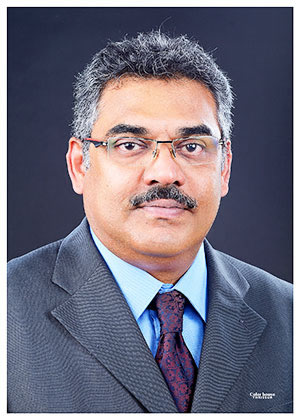
Dr Pradeep Kumar
Plastic, Reconstructive & Aesthetic Surgeon
SIPRAS, Elite Mission Hospital, Thrissur