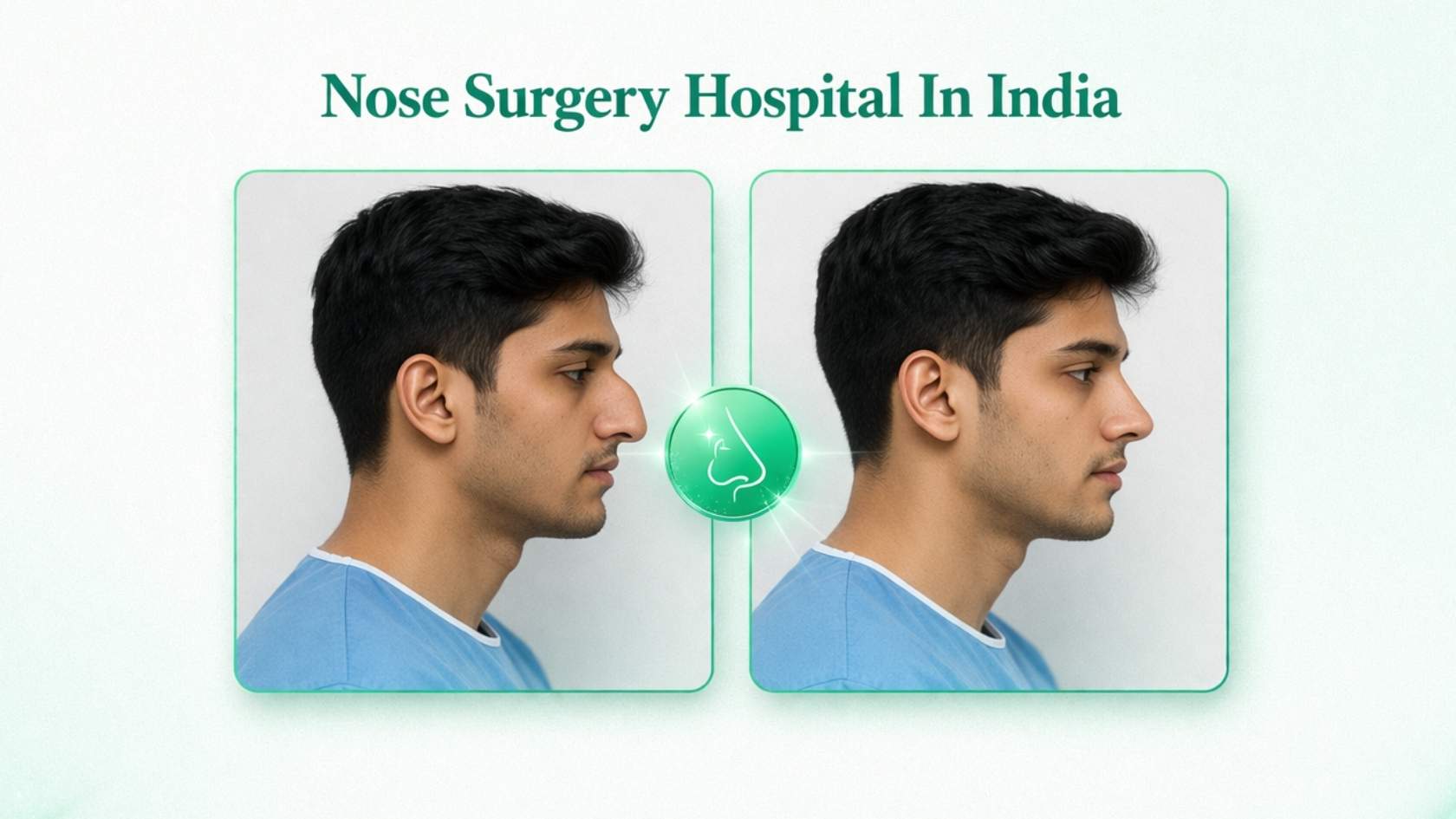
Nose Surgery Hospital In India selection is one of the most important decisions for anyone considering cosmetic or functional improvement of the nose. Choosing a reputed hospital ensures access to advanced medical facilities, experienced surgical teams, and modern techniques that prioritize safety, precision, and natural-looking results. In recent years, people from across the region — including those from Kerala — have increasingly preferred trusted centers known for excellence in rhinoplasty and nasal reconstructive procedures. Patients from Kerala often travel to leading institutions because of the assurance of quality care, comprehensive evaluation, and long-term follow-up support available at top hospitals across India.
Nose surgery, medically known as rhinoplasty, is a highly specialized procedure that reshapes or reconstructs the nose to improve appearance, breathing function, or both. A well-equipped Nose Surgery Hospital In India provides state-of-the-art operation theatres, advanced imaging, anesthesia safety protocols, and multidisciplinary care to deliver optimal outcomes.
What Is Nose Surgery (Rhinoplasty)?
Rhinoplasty is a surgical procedure designed to change the shape, size, structure, or function of the nose. It may be performed for cosmetic reasons, medical reasons, or a combination of both. The procedure can correct birth defects, injuries, breathing problems, or aesthetic concerns.
There are two main types of rhinoplasty:
Cosmetic Rhinoplasty
Performed to enhance facial harmony by reshaping the nose. Common goals include reducing a dorsal hump, refining the nasal tip, narrowing the bridge, or correcting asymmetry.
Functional Rhinoplasty
Focused on improving breathing by correcting structural problems such as a deviated septum, collapsed nasal valves, or trauma‑related deformities.
Top hospitals provide both cosmetic and functional correction in a single procedure when necessary.
Why Choose a Specialized Nose Surgery Hospital In India?
A dedicated hospital offers advantages that general facilities may not provide. These centers focus on facial plastic and reconstructive surgery, ensuring precise diagnosis and treatment planning.
Advanced Surgical Technology
Modern hospitals use high‑definition imaging, 3D simulation tools, and precision instruments that allow surgeons to plan and execute procedures with remarkable accuracy.
Experienced Surgical Team
A skilled team including plastic surgeons, ENT specialists, anesthesiologists, and nursing staff ensures comprehensive care before, during, and after surgery.
Safety Standards
Accredited hospitals follow strict sterilization protocols, advanced monitoring systems, and emergency preparedness to minimize risks.
Comprehensive Care
From initial consultation to post‑operative recovery and follow‑up, patients receive coordinated care under one roof.
Conditions Treated at a Nose Surgery Hospital
Leading hospitals handle a wide range of nasal conditions, including:
- Deviated nasal septum
- Nasal obstruction and breathing difficulty
- Nasal fractures and trauma
- Congenital deformities
- Cosmetic concerns such as large, crooked, or asymmetrical nose
- Bulbous or drooping nasal tip
- Revision rhinoplasty cases
- Post‑injury reconstruction
Each condition requires individualized planning to achieve both functional improvement and aesthetic balance.
Types of Nose Surgery Procedures Available
Open Rhinoplasty
Involves a small incision across the columella (the strip of tissue between the nostrils). This approach allows maximum visibility and precision, especially for complex reshaping.
Closed Rhinoplasty
Performed through incisions inside the nostrils, leaving no visible external scar. Suitable for patients requiring moderate changes.
Septoplasty
Corrects a deviated septum to improve breathing and airflow.
Revision Rhinoplasty
A corrective procedure for patients dissatisfied with previous surgery outcomes or experiencing complications.
Non‑Surgical Rhinoplasty
Uses dermal fillers to temporarily reshape the nose without surgery. Suitable for minor contour corrections.
Ideal Candidates for Nose Surgery
You may be a good candidate if you:
- Are physically healthy
- Have realistic expectations
- Experience breathing difficulties due to nasal structure
- Feel self‑conscious about nose shape or size
- Have completed facial growth (usually after adolescence)
- Want correction after injury or congenital deformity
A detailed medical evaluation determines suitability and helps create a customized surgical plan.
Pre‑Surgery Evaluation and Planning
Before surgery, patients undergo comprehensive assessment, including:
- Medical history review
- Physical examination of nasal structure n- Photographic analysis
- Breathing assessment
- Imaging studies if required
- Discussion of goals and expectations
Advanced hospitals also provide digital simulations to help patients visualize potential results.
The Nose Surgery Procedure
Rhinoplasty is typically performed under general anesthesia and may take 1 to 3 hours depending on complexity.
Key Steps
- Administration of anesthesia
- Surgical access (open or closed approach)
- Reshaping bone and cartilage
- Correction of septal deviation if needed
- Refinement of nasal tip
- Closure of incisions
- Application of splint for support
Patients are monitored closely in recovery to ensure safety and comfort.
Recovery After Nose Surgery
Recovery varies from person to person, but most patients follow a similar timeline.
First Week
- Swelling and mild bruising around eyes
- Nasal splint in place
- Mild discomfort controlled with medication
- Limited physical activity
Two to Four Weeks
- Gradual reduction in swelling
- Return to normal daily activities
- Avoid strenuous exercise
Three to Six Months
- Noticeable improvement in shape
- Continued subtle refinement
One Year
- Final results become fully visible
Hospitals provide detailed aftercare instructions to ensure proper healing and long‑term success.
Benefits of Choosing a Reputed Hospital
Selecting a trusted Nose Surgery Hospital In India offers multiple advantages:
- High surgical success rates
- Natural‑looking results
- Improved breathing function
- Minimal complications
- Advanced post‑operative care
- Long‑term follow‑up support
Patients from Kerala frequently value these benefits when selecting treatment centers known for excellence.
Risks and Complications
While rhinoplasty is generally safe, potential risks include:
- Infection
- Bleeding
- Adverse reaction to anesthesia
- Temporary numbness
- Persistent swelling
- Need for revision surgery
Choosing an experienced hospital significantly reduces these risks.
How to Choose the Best Nose Surgery Hospital In India
When selecting a hospital, consider the following factors:
Accreditation and Reputation
Look for recognized certifications and positive patient outcomes.
Surgical Expertise
Ensure the team specializes in facial plastic or reconstructive surgery.
Technology and Facilities
Modern operation theatres and advanced diagnostic tools improve safety and precision.
Patient Support Services
Comprehensive counseling, clear communication, and follow‑up care are essential.
Transparent Process
A trustworthy hospital provides detailed information about procedure, recovery, and expected outcomes.
Cost Considerations
The cost of nose surgery varies depending on:
- Complexity of the procedure
- Hospital infrastructure
- Anesthesia requirements
- Duration of surgery
- Post‑operative care needs
- Whether it is cosmetic or functional
Many hospitals offer customized treatment plans based on individual requirements.
Long‑Term Results and Satisfaction
Rhinoplasty results are long‑lasting and often permanent once healing is complete. Functional improvements such as better breathing can significantly enhance quality of life, while aesthetic changes boost confidence and facial harmony.
Maintaining overall health and following medical advice helps preserve results for many years.
Conclusion
Choosing the right Nose Surgery Hospital In India ensures not only aesthetic enhancement but also improved nasal function, safety, and long‑term satisfaction. With advanced technology, experienced specialists, and comprehensive care systems, leading hospitals provide world‑class treatment for a wide range of nasal concerns. Patients seeking reliable and high‑quality care — including those traveling from Kerala — can benefit from facilities that combine medical excellence with personalized attention. For individuals from Kerala looking for trusted surgical solutions, selecting a reputed hospital with proven expertise can make a significant difference in achieving safe procedures, smooth recovery, and natural‑looking results. Ultimately, those from Kerala who prioritize quality, safety, and precision will find that choosing a well‑established center offers confidence, comfort, and lasting outcomes.
Frequently Asked Questions
Nose surgery, or rhinoplasty, is a procedure that reshapes or reconstructs the nose to improve appearance, breathing function, or both. It can address cosmetic concerns as well as medical issues like a deviated septum.
Ideal candidates are physically healthy individuals with realistic expectations who want to correct nasal shape, size, deformity, or breathing problems. Facial growth should be complete before surgery.
Most patients experience only mild to moderate discomfort after surgery. Pain is usually well controlled with prescribed medications, and severe pain is uncommon.
The surgery typically takes between 1 to 3 hours, depending on the complexity of the case and whether functional corrections are also performed.
Initial recovery takes about 1–2 weeks, during which swelling and bruising gradually decrease. Most people return to normal activities within 2–4 weeks, while final results may take up to one year.
Closed rhinoplasty leaves no visible scars because incisions are inside the nose. Open rhinoplasty may leave a tiny scar under the nose, which usually fades significantly over time.
Yes. Functional rhinoplasty and septoplasty can correct structural issues such as a deviated septum, nasal obstruction, or collapsed nasal valves, leading to improved airflow.
Yes, rhinoplasty results are generally long-lasting. Once healing is complete, the new nasal shape typically remains stable for life unless affected by injury or aging.
Although generally safe, potential risks include infection, bleeding, swelling, numbness, or the need for revision surgery. Choosing a reputable hospital minimizes these risks.
Look for accredited hospitals with experienced surgical teams, advanced facilities, strong safety protocols, transparent consultation, and positive patient outcomes.
Sushrutha Institute of Plastic, Reconstructive & Aesthetic Surgery

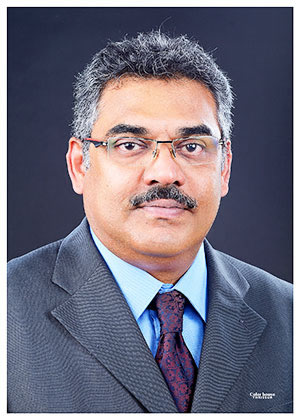
Dr Pradeep Kumar
Plastic, Reconstructive & Aesthetic Surgeon
SIPRAS, Elite Mission Hospital, Thrissur