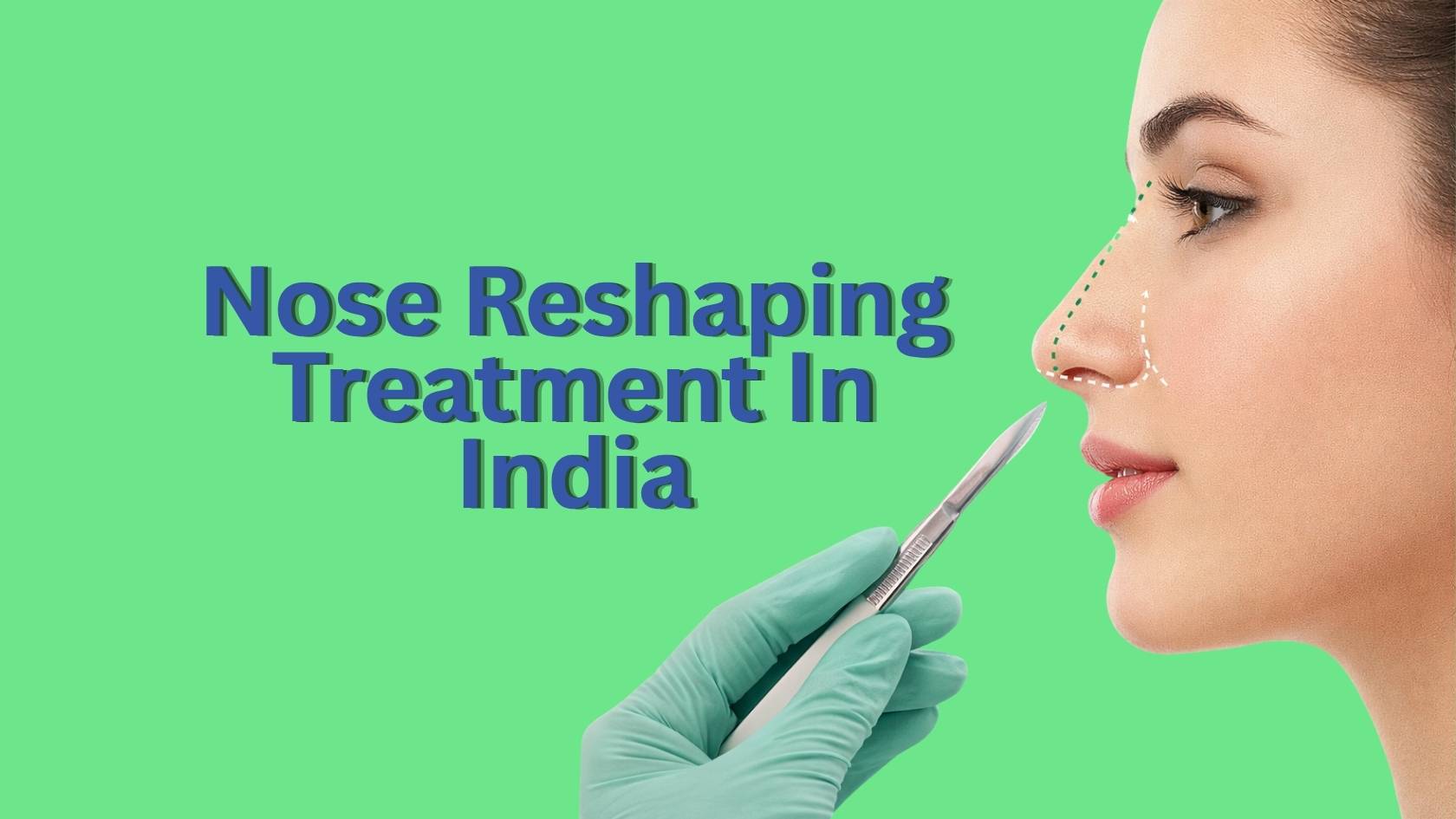
Nose reshaping treatment in India has become one of the most sought-after cosmetic procedures for individuals who wish to enhance facial harmony, improve breathing, or correct structural concerns of the nose. With advanced medical technology, experienced specialists, and internationally accredited facilities, patients can achieve safe, natural-looking results tailored to their facial features. Whether the concern is a dorsal hump, crooked appearance, wide nostrils, or a drooping tip, modern nose reshaping procedures offer both surgical and non-surgical solutions designed for precision and long-term satisfaction.
Nose reshaping, medically known as rhinoplasty, is a procedure that modifies the bone, cartilage, skin, or all three components of the nose. The goal is not only cosmetic improvement but also functional enhancement when breathing issues are present. Today, patients can choose between permanent surgical techniques and temporary non-invasive options depending on their needs, expectations, and recovery preferences.
What Is Nose Reshaping Treatment?
Nose reshaping treatment is a personalized procedure aimed at altering the size, shape, proportion, or structure of the nose. It can address aesthetic concerns, medical issues, or both simultaneously. The nose plays a central role in facial balance, so even subtle refinements can dramatically improve overall appearance.
Common reasons people seek nose reshaping include:
- Desire for a more proportionate nose
- Correction of birth defects or injury
- Removal of a bump on the bridge
- Refinement of a bulbous or droopy tip
- Narrowing of wide nostrils
- Straightening of a crooked nose
- Improvement in breathing difficulties
Types of Nose Reshaping Treatments
Permanent Surgical Nose Reshaping (Rhinoplasty)
Surgical rhinoplasty provides long-lasting or permanent results by modifying the underlying bone and cartilage structure.
Open Rhinoplasty
Open rhinoplasty involves a small incision between the nostrils, allowing full visibility and access to nasal structures. This technique is ideal for major reshaping, reconstruction, or complex corrections. Surgeons can precisely sculpt cartilage and bone to achieve significant changes while maintaining natural contours.
Best suited for:
- Major structural corrections
- Revision procedures
- Significant tip reshaping
- Severe asymmetry
Closed Rhinoplasty
Closed rhinoplasty is performed through incisions inside the nostrils, leaving no visible external scars. It is typically recommended for moderate adjustments and patients who prefer minimal downtime.
Advantages include:
- No external incision
- Reduced swelling
- Faster recovery
- Natural results for subtle changes
Piezo Rhinoplasty
Piezo rhinoplasty is an advanced technique that uses ultrasonic vibrations to reshape nasal bones with exceptional precision. Unlike traditional methods, it minimizes trauma to surrounding soft tissues, blood vessels, and nerves.
Benefits:
- Less bruising and swelling
- Greater accuracy
- Smoother bone contours
- Faster healing
Augmentation Rhinoplasty
This procedure enhances the nasal bridge or overall shape by adding volume using implants or cartilage grafts. It is particularly beneficial for individuals with a low or flat nasal bridge.
Common goals:
- Build a higher bridge
- Improve profile balance
- Refine ethnic features
- Create sharper definition
Septorhinoplasty
Septorhinoplasty combines cosmetic rhinoplasty with correction of a deviated septum. It improves both appearance and breathing function, making it a medically beneficial procedure as well.
Ideal for patients with:
- Crooked nose due to septal deviation
- Chronic nasal obstruction
- Breathing difficulties
- Sinus issues linked to structural problems
Temporary and Non-Surgical Nose Reshaping
Not everyone requires or desires surgery. Non-surgical options provide temporary improvements with minimal downtime.
Dermal Filler Nose Reshaping (Liquid Rhinoplasty)
Dermal fillers are injected to reshape and contour the nose without incisions. This technique can smooth bumps, raise the bridge, or refine the tip instantly.
Key advantages:
- Quick procedure (15–30 minutes)
- No general anesthesia
- Immediate results
- Minimal recovery time
- Reversible in many cases
Duration: Typically lasts 6 to 18 months.
PDO Thread Nose Lift
PDO threads are inserted beneath the skin to lift and define the nasal bridge or tip. Over time, the threads stimulate collagen production, enhancing structure and firmness.
Benefits include:
- Non-surgical lifting effect
- Improved definition
- Gradual collagen stimulation
- Minimal downtime
Longevity: Usually 12 to 24 months depending on individual factors.
Nose Shape Issues That Can Be Treated
Modern nose reshaping techniques can correct a wide range of concerns:
Dorsal Hump
A bump on the nasal bridge can be smoothed through surgical reshaping or camouflaged using fillers.
Wide Bridge or Nostrils
Procedures can narrow the nasal bones or reduce nostril size to create better facial balance.
Crooked Nose
Structural correction straightens the nasal framework, often combined with septal repair.
Droopy or Bulbous Tip
Cartilage refinement techniques reshape the tip for a more defined and lifted appearance.
Flat or Low Bridge
Augmentation procedures enhance projection and profile aesthetics.
Procedure Duration and Surgical Process
Surgical nose reshaping typically takes 1 to 2 hours, though complex cases may take longer. The procedure is performed under local anesthesia with sedation or general anesthesia, depending on the extent of correction.
Basic surgical steps:
- Administration of anesthesia
- Creation of incisions (open or closed technique)
- Reshaping of bone and cartilage
- Adjustment of nasal tissues
- Closure of incisions
- Placement of splint for support
Patients usually return home the same day unless additional monitoring is required.
Recovery Timeline
Recovery varies depending on the procedure type and individual healing capacity.
After Surgical Rhinoplasty
- First week: Swelling, mild discomfort, nasal splint in place
- 1–2 weeks: Bruising subsides, splint removed
- 3–4 weeks: Visible improvement in shape
- 3–6 months: Most swelling resolves
- Up to 1 year: Final refined results appear
After Non-Surgical Treatments
- Mild swelling or redness for 1–3 days
- Immediate return to normal activities
- Full results visible instantly or within a week
Who Is an Ideal Candidate?
You may be a suitable candidate for nose reshaping if you:
- Are physically healthy
- Have realistic expectations
- Have completed facial growth
- Are dissatisfied with nose appearance
- Experience breathing issues due to structure
- Want improved facial balance
A detailed consultation helps determine the most appropriate treatment approach.
Benefits of Nose Reshaping Treatment
Nose reshaping offers both aesthetic and functional advantages:
- Improved facial symmetry
- Enhanced self-confidence
- Correction of structural deformities
- Better breathing function (in functional procedures)
- Long-lasting or permanent results (surgical)
- Non-invasive options available
Risks and Safety Considerations
While generally safe when performed by qualified specialists, nose reshaping procedures carry potential risks like any medical treatment.
Possible complications include:
- Infection
- Bleeding
- Swelling or bruising
- Temporary numbness
- Asymmetry
- Need for revision surgery
Choosing an experienced professional and following post-procedure instructions significantly reduces these risks.
Results and Expectations
The outcome of nose reshaping is highly individualized. Surgical procedures provide permanent structural changes, while non-surgical methods offer temporary enhancement.
Patients often notice:
- Better facial proportion
- Natural-looking contours
- Improved profile view
- Enhanced overall appearance
Patience is essential after surgery, as final results evolve gradually as swelling subsides.
Preparing for Nose Reshaping Treatment
Preparation may include:
- Medical evaluation
- Review of medications
- Avoiding smoking and alcohol
- Stopping blood-thinning drugs (if advised)
- Planning recovery time
Following preparation guidelines helps ensure smoother surgery and recovery.
Aftercare Tips for Optimal Healing
Proper aftercare is crucial for achieving the best results.
Recommended practices:
- Keep the head elevated while sleeping
- Avoid strenuous activities for several weeks
- Do not wear glasses on the bridge initially
- Protect the nose from injury
- Follow prescribed medications
- Attend follow-up appointments
Long-Term Outlook
With modern techniques and careful planning, nose reshaping can deliver transformative yet natural results that complement your unique facial features. Surgical procedures offer permanent structural improvement, while non-surgical treatments provide flexibility for those seeking reversible enhancements.
Toward the end of the treatment journey, patients often experience not only physical improvement but also a significant boost in confidence and comfort with their appearance. Access to advanced cosmetic care across India continues to make these procedures safer, more precise, and more personalized than ever before.
Conclusion
Nose reshaping treatment is a highly effective way to enhance facial harmony, correct structural concerns, and improve breathing when necessary. With options ranging from permanent surgical rhinoplasty to quick non-surgical contouring techniques, individuals can choose a solution that aligns with their goals, lifestyle, and recovery preferences. Careful evaluation, expert planning, and proper aftercare are key to achieving natural, balanced results that last.
Modern advancements have made nose reshaping safer, more predictable, and customizable, allowing patients to achieve their ideal nose shape while maintaining individuality. Whether addressing cosmetic concerns or functional issues, this treatment continues to be one of the most transformative procedures available in India.
Frequently Asked Questions
Nose reshaping treatment, also known as rhinoplasty, is a cosmetic or functional procedure that changes the shape, size, or structure of the nose to improve appearance, breathing, or both.
Surgical rhinoplasty usually takes about 1 to 2 hours, depending on the complexity of the procedure. Non-surgical treatments may take only 15 to 30 minutes.
The procedure itself is not painful because anesthesia is used. Mild discomfort, swelling, or pressure may occur during recovery, which can be managed with prescribed medication.
Surgical rhinoplasty permanently alters bone and cartilage, while non-surgical methods like dermal fillers or threads temporarily change the shape without surgery.
Initial recovery typically takes 1 to 2 weeks, but complete healing and final results may take up to one year as swelling gradually subsides.
No, non-surgical treatments are temporary. Dermal fillers usually last 6 to 18 months, while thread lifts may last up to 2 years.
Yes, procedures such as septorhinoplasty can correct structural issues like a deviated septum, improving airflow and breathing function.
Common issues include a dorsal hump, wide bridge, crooked nose, drooping tip, bulbous tip, flat bridge, and asymmetry.
When performed by a qualified specialist in a proper medical setting, nose reshaping is generally safe. Following pre- and post-treatment instructions reduces risks.
Costs vary based on technique and complexity. Surgical rhinoplasty typically ranges from ₹50,000 to ₹2,00,000, while non-surgical options cost less per session.
Sushrutha Institute of Plastic, Reconstructive & Aesthetic Surgery

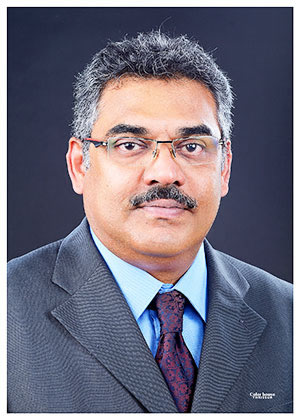
Dr Pradeep Kumar
Plastic, Reconstructive & Aesthetic Surgeon
SIPRAS, Elite Mission Hospital, Thrissur