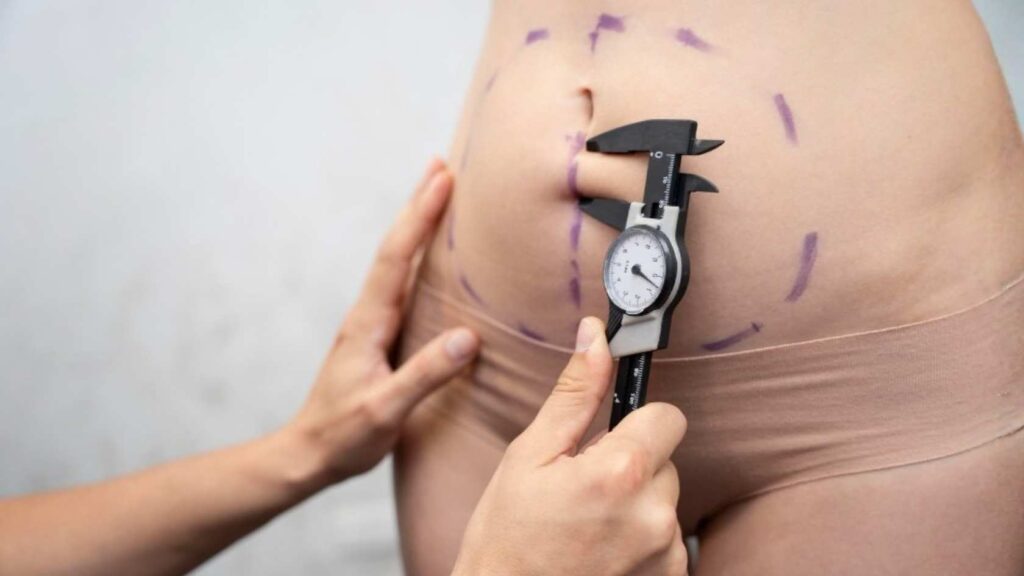
High Definition Liposuction Risks and Complications: Possible Side Effects, Surgical Concerns, and Recovery Factors
High Definition Liposuction Risks and Complications are important considerations when understanding this advanced body contouring procedure focused on removing localized fat and enhancing natural muscle definition. For individuals seeking structured medical information in Thrissur, understanding the possible risks and complications associated with this procedure is essential for informed decision-making. Like any surgical intervention, high definition liposuction involves certain risks, and awareness of these factors helps individuals prepare physically and mentally before considering treatment.
The procedure is generally planned with safety protocols, careful evaluation, and personalized treatment strategies. However, understanding potential complications allows individuals to approach the procedure with realistic expectations.
1. Understanding Surgical Risks
All surgical procedures involve some degree of risk, even when performed under controlled medical settings. High definition liposuction includes multiple stages such as anesthesia, fat removal, contouring, and recovery, each of which carries its own considerations.
Awareness of surgical risks helps individuals understand how safety planning and proper evaluation contribute to minimizing complications.
2. Swelling and Bruising
Temporary swelling and bruising are common after body contouring procedures. These occur as part of the body’s natural healing response.
Swelling may take time to settle, and the extent varies based on the treatment area, procedural complexity, and individual healing capacity.
3. Pain and Discomfort
Mild to moderate discomfort may be experienced after the procedure. This usually improves gradually during recovery.
Pain perception differs among individuals and depends on the extent of treatment and body sensitivity.
4. Infection Risk
Any procedure involving incisions carries a risk of infection. Proper sterilization, wound care, and follow-up monitoring help reduce this risk.
Early identification and management of infection are important for safe recovery.
5. Fluid Accumulation
In some cases, fluid may collect beneath the skin after fat removal. This is monitored during follow-up visits and managed as needed.
Fluid accumulation is usually temporary and part of the body’s response to tissue changes.
6. Contour Irregularities
Uneven fat removal or differences in healing can sometimes result in irregular contours.
Careful planning and precision during the procedure aim to reduce this possibility, but minor variations may occur during recovery.
7. Skin Laxity or Changes
Skin quality plays an important role in body contouring outcomes. Individuals with reduced skin elasticity may notice changes in skin firmness after fat removal.
The body continues to adapt gradually as healing progresses.
8. Temporary Numbness or Sensory Changes
Some individuals may experience temporary numbness, tingling, or altered sensation in treated areas.
These sensations usually improve over time as tissues heal and nerve pathways recover.
9. Scarring
Small incisions are used during high definition liposuction. While these are planned carefully, minimal scarring may occur.
Scar appearance varies depending on healing patterns and skin characteristics.
10. Anesthesia-Related Considerations
The use of anesthesia is an important part of the procedure. Individual responses to anesthesia vary, and proper medical evaluation is conducted beforehand to ensure safety.
Monitoring during and after the procedure helps manage anesthesia-related effects.
11. Healing Variability
Healing timelines differ from person to person. Factors such as age, health status, nutrition, and lifestyle influence recovery.
Some individuals may experience faster healing, while others may require longer recovery periods.
12. Asymmetry
Natural differences in body structure may become more noticeable after contouring.
Minor asymmetry can occur as the body heals and adapts to new contours.
13. Blood-Related Considerations
Although rare, bleeding or clot-related complications can occur in surgical procedures. Proper evaluation and monitoring help minimize such risks.
Early identification supports timely management.
14. Emotional And Psychological Impact
Body contouring procedures can influence emotional well-being. Expectations about results, recovery, and body image may affect psychological responses.
Clear understanding of the process helps reduce anxiety and supports realistic expectations.
15. Delayed Recovery
In some cases, recovery may take longer than expected. This can occur due to individual healing responses or underlying health factors.
Gradual improvement is typically observed over time.
16. Reaction To Medications
Post-procedure medications are used to support healing and comfort. Some individuals may experience mild reactions or sensitivity.
Medical supervision helps manage such situations.
17. Importance Of Pre-Procedure Evaluation
A thorough medical evaluation before high definition liposuction helps identify potential risks and suitability.
Assessment includes:
Medical history
Physical examination
Lifestyle evaluation
Existing health conditions
This stage is critical for reducing complications.
18. Role Of Proper Technique
The precision required in high definition liposuction plays an important role in minimizing complications.
Careful planning, controlled fat removal, and contour refinement contribute to safer outcomes.
19. Post-Procedure Monitoring
Monitoring during recovery helps detect and address complications early.
Follow-up visits allow:
Assessment of healing
Monitoring swelling and contour
Addressing concerns promptly
Regular monitoring supports safer recovery.
20. Lifestyle Factors Affecting Risk
Lifestyle habits such as smoking, poor nutrition, and limited physical activity can influence healing.
Healthy practices support recovery and reduce complications.
21. Long-Term Considerations
Long-term results depend on maintaining body weight and healthy habits.
Changes in weight or lifestyle may influence contour stability over time.
22. Managing Expectations
Understanding the difference between body contouring and weight loss is important.
The procedure focuses on sculpting body shape rather than reducing overall body weight.
Realistic expectations help improve satisfaction with results.
23. Importance Of Clear Communication
Discussing concerns, expectations, and medical history openly helps ensure safe planning.
Communication between the individual and medical team plays a key role in minimizing risks.
24. When To Seek Medical Advice
Medical attention is important if unusual symptoms occur after the procedure, such as:
Persistent swelling
Increased pain
Redness or warmth
Sudden asymmetry
Delayed healing
Early consultation supports timely care.
25. Overall Safety Perspective
High definition liposuction is generally planned with safety measures, structured evaluation, and personalized planning.
Understanding risks does not imply that complications will occur, but it helps individuals prepare and make informed choices.
Final Overview
High definition liposuction risks and complications vary depending on individual health, treatment extent, and recovery patterns. With proper evaluation, careful planning, and monitored recovery, many risks can be minimized and managed effectively.
For individuals exploring body contouring procedures in Thrissur, awareness of potential risks and complications is an important part of responsible decision-making and preparation for the overall treatment journey.
Before-and-after results often show improved body contour, enhanced muscle definition, and more proportionate appearance. Learn more
Frequently Asked Questions
1. Is high definition liposuction a safe procedure?
It is generally planned with safety measures and proper evaluation, but like any surgery, it carries potential risks.
2. What are the most common risks after high definition liposuction?
Common considerations include swelling, bruising, discomfort, and temporary changes in sensation.
3. Can infection occur after the procedure?
Infection is a possible risk with any surgical procedure, but proper wound care and monitoring help reduce it.
4. Will there be pain after high definition liposuction?
Mild to moderate discomfort may occur and usually improves during recovery.
5. Are contour irregularities possible after fat removal?
Minor variations in contour may occur depending on healing and body structure.
6. Does anesthesia have any risks?
Anesthesia responses vary among individuals, and medical evaluation helps ensure safety during the procedure.
7. Can there be temporary numbness after the procedure?
Yes, some individuals may experience temporary numbness or altered sensation in treated areas.
8. How long does swelling last after high definition liposuction?
Swelling is part of healing and gradually reduces over time, depending on individual recovery.
9. Are scars expected after the procedure?
Small incisions may leave minimal scars, which vary based on healing and skin characteristics.
10. How can risks be minimized before the procedure?
Proper medical evaluation, clear communication, and following pre- and post-procedure guidance help reduce complications.
Our Team of Plastic Surgeons
Sushrutha Institute of Plastic Reconstructive and Aesthetic Surgery (SIPRAS), conceptualised as a dedicated team of surgeons catering to the whole spectrum of emergency and elective services under the purview of ‘Plastic Surgery, is a part of the Elite Mission Hospital, Thrissur, Kerala, which is an NABH and ISO 9001 accredited institution.
Dr Jyoshid R Balan
DR PRADEEP KUMAR
Dr Prince H P
Dr Vinu Roy
Dr Ajai K S
dideesh mohan
2022-07-13
Trustindex verifies that the original source of the review is Google.
നമസ്തേ
എൻ്റെ പേര് ദിദീഷ് കഴിഞ്ഞ ആഴ്ച ഞാൻ ഒരു അപകടം പറ്റി Elite ഹോസ്പിറ്റലിൽ അഡ്മിറ്റ് ആയിരുന്നു ഒപ്പം എൻ്റെ ചേട്ടനും ഉണ്ടായിരുന്നു ഡോർ കട്ട് ചെയ്യുന്നതിനിടെ കട്ടർ തെറിച്ചു കാൽപാദം പകുതി മുറിഞ്ഞ് . ചേട്ടന് കാൽമുട്ടിൽ ആയിരുന്നു ഓപറേഷൻ കഴിഞ്ഞു വീട്ടിൽ ആണ് രണ്ടാളും സുഖമായിരിക്കുന്നു. എൻ്റെ കാൽപാദം മുറിച്ചു മാറ്റും എന്ന ഒരു പേടി മാത്രേ എനിക്കുണ്ടായിരുന്നുള്ളു പക്ഷെ അങ്ങനെ ഒന്നും സംഭവിച്ചില്ല എല്ലാ സ്റ്റാഫിനും നന്ദി പറയുന്നു കാരണം വന്നപ്പോ തൊട്ട് എല്ലാവരും സമാതാനിപ്പിക്കായിരുന്നൂ എല്ലാവരോടും സ്നേഹം അറിയിക്കുന്നു പ്രത്യേകിച്ച് ഡോക്ടറോട് 🙏🏻
SHIJI RAMESH
2022-07-13
Trustindex verifies that the original source of the review is Google.
Excellent center for all cosmetic procedures...
highly recommended
Shafi Sanu
2022-06-21
Trustindex verifies that the original source of the review is Google.
The surgery is in a seamless hospital and everything is very excellent