

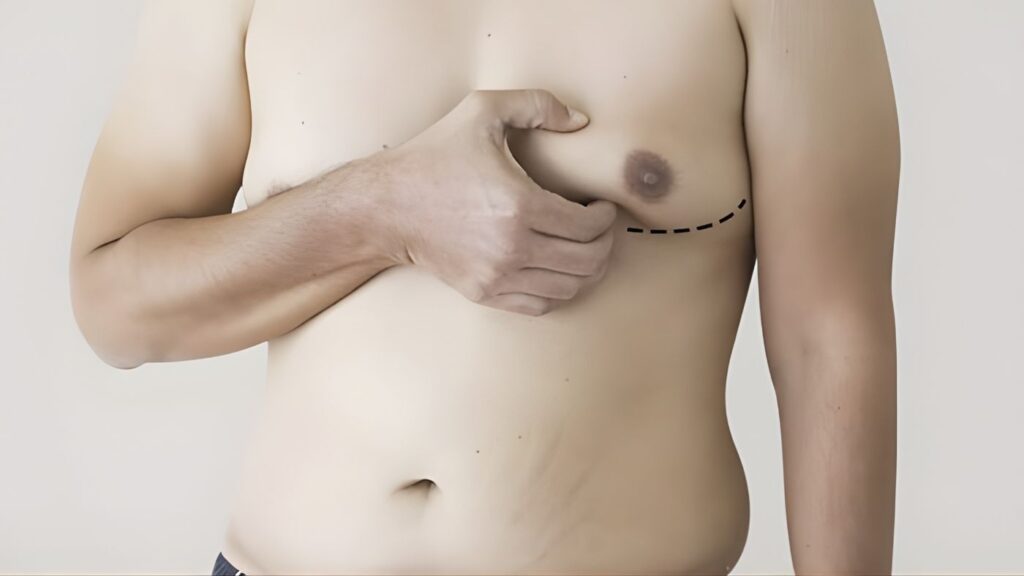
What Should I Expect During a Gynecomastia Consultation? A gynecomastia consultation is an important first step for individuals who notice persistent enlargement of breast tissue in males and want clear, reliable information. For those seeking medical guidance in Thrissur, the consultation focuses on understanding your concerns, confirming the diagnosis, and discussing appropriate next steps based on individual findings. It is an informative, confidential process designed to support informed decision-making rather than commit you to any specific treatment.
Below is what you can typically expect during a gynecomastia consultation.
1. Discussion of Your Concerns and Symptoms
The consultation usually begins with a detailed conversation about:
When the chest enlargement started
Whether it has changed over time
Presence of pain, tenderness, or sensitivity
Emotional or psychological impact
Any previous attempts at weight loss or lifestyle changes
This discussion helps the doctor understand how gynecomastia is affecting you physically and emotionally.
2. Review of Medical History
A thorough medical history is an essential part of the consultation. You may be asked about:
Past and current medical conditions
Medications or supplements you are taking
Alcohol or substance use
Hormonal or endocrine issues
Family medical history
This step helps identify possible causes of gynecomastia and rule out underlying health conditions.
3. Physical Examination
A focused physical examination of the chest is performed to:
Confirm the presence of glandular breast tissue
Differentiate gynecomastia from fat-related chest fullness
Check for asymmetry or tenderness
Assess skin quality and chest contour
The examination is typically brief and done respectfully in a clinical setting.
4. Differentiating Gynecomastia Types
During the consultation, the doctor may explain whether your condition appears to be:
Glandular gynecomastia
Fatty gynecomastia (pseudogynecomastia)
Mixed gynecomastia
This distinction is important because it influences management options and expectations.

5. Discussion of Possible Causes
Based on your history and examination, the doctor may discuss potential contributing factors such as:
Hormonal imbalance
Medication-related effects
Weight changes
Medical conditions
In some cases, no clear cause is identified, which is known as idiopathic gynecomastia.
6. Need for Investigations (If Required)
Not everyone requires tests, but if indicated, the doctor may recommend:
Blood tests to assess hormone levels
Basic health investigations
Imaging studies in selected cases
These tests help ensure that treatment decisions are safe and appropriate.
7. Explanation of Management Options
If gynecomastia is confirmed, the consultation may include a general discussion of management approaches, such as:
Observation for mild or recent cases
Addressing underlying medical or medication-related causes
Surgical treatment options for persistent cases
This discussion is educational and tailored to your specific situation.
8. Discussion About Expectations and Outcomes
You may be guided on:
What improvement can realistically be expected
Limitations of treatment
Recovery considerations
Importance of stable health and weight
Setting realistic expectations is a key part of the consultation.
9. Cost and Practical Considerations
If treatment is being considered, the doctor may provide general guidance on:
Approximate costs
Factors that influence cost
The need for personalized evaluation for exact details
For further clarifications and accurate cost information, you will usually be advised to contact the doctor after full evaluation.
10. Opportunity to Ask Questions
A gynecomastia consultation is also your opportunity to ask questions and clarify doubts. You can discuss:
Safety concerns
Next steps
Timing and planning
Emotional or lifestyle concerns
No decision is rushed, and you are encouraged to take time to consider your options.
Final Thoughts
A gynecomastia consultation is a structured, informative process focused on understanding your condition and guiding you appropriately. For individuals seeking evaluation in Thrissur, the consultation helps confirm the diagnosis, address concerns, and outline suitable options based on individual needs. Knowing what to expect during the consultation can reduce anxiety and support confident, well-informed decision-making.
Frequently Asked Questions
1. What is the purpose of a gynecomastia consultation?
The consultation helps confirm the diagnosis, understand symptoms, and discuss appropriate management options.
2. Does a gynecomastia consultation mean I must undergo treatment?
No, the consultation is an informational step and does not require immediate treatment.
3. Is a physical examination part of the consultation?
Yes, a physical examination is usually performed to assess breast tissue and chest appearance.
4. Will my medical history be discussed during the visit?
Yes, medical history, medications, and lifestyle factors are reviewed to identify possible causes.
5. Are tests required during the first gynecomastia consultation?
Tests are not always required and are recommended only if medically necessary.
6. Is the gynecomastia consultation confidential?
Yes, the consultation is conducted in a private and confidential clinical setting.
7. Can gynecomastia be diagnosed without surgery?
Yes, diagnosis is based on medical history and physical examination.
8. Will different types of gynecomastia be explained?
Yes, the doctor usually explains whether the condition is glandular, fatty, or mixed.
9. Can emotional concerns be discussed during the consultation?
Yes, emotional and body image concerns are an important part of the discussion.
10. Will cost and recovery be discussed during the consultation?
General information may be provided, with detailed guidance after full evaluation.
Gynecomastia is a condition characterized by the enlargement of male breast tissue due to hormonal imbalance, medication effects, or underlying health factors. Learn more
Good candidates are individuals with persistent breast enlargement, stable health, realistic expectations, and no untreated medical causes. Learn more
The cost of gynecomastia surgery varies based on severity, surgical technique, hospital charges, and postoperative care requirements. Learn more
You should ask about the cause, treatment methods, recovery time, risks, scarring, and expected results. Learn more
Risks may include swelling, bruising, infection, asymmetry, scarring, or changes in nipple sensation. Learn more
