
Who is a good candidate for gynecomastia treatment is an important question for individuals who experience persistent enlargement of breast tissue in males. Gynecomastia treatment is considered by many individuals seeking clear and reliable health information in Thrissur, as understanding candidacy is a key step toward informed decision-making. Gynecomastia can affect physical comfort, body image, and emotional well-being, and treatment suitability depends on several medical and personal factors rather than appearance alone.
Gynecomastia treatment is not only about cosmetic improvement. It is a medically guided process aimed at addressing glandular breast enlargement, associated symptoms, and the psychological impact of the condition. Not every individual with chest fullness requires treatment, and careful evaluation helps determine whether treatment is appropriate.
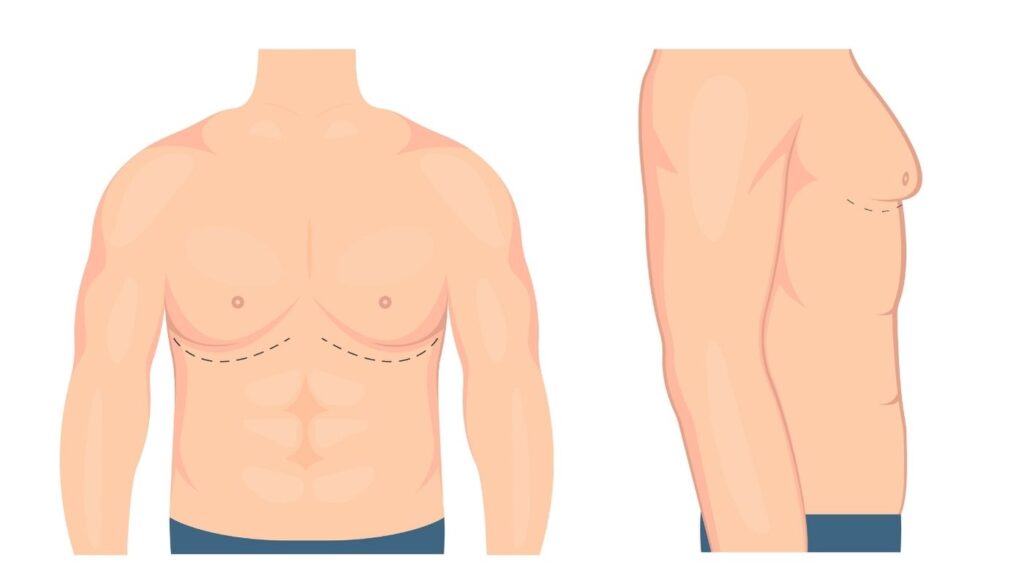
Understanding Gynecomastia Before Considering Treatment
Gynecomastia refers to the benign enlargement of male breast gland tissue caused primarily by an imbalance between estrogen and testosterone. It differs from chest fat accumulation related to weight gain, which is known as pseudogynecomastia. Identifying true gynecomastia is essential before determining candidacy for treatment.
A good candidate is someone whose breast enlargement is confirmed to be glandular or mixed (glandular and fatty) rather than fat alone. Proper diagnosis ensures that treatment recommendations are appropriate and effective.
Adults With Persistent Gynecomastia
One of the most common groups considered good candidates for gynecomastia treatment includes adults with long-standing breast enlargement. In many adult cases, gynecomastia does not resolve on its own and may remain stable or gradually worsen over time.
Adults are typically considered suitable candidates when:
Breast enlargement has been present for more than 12 months
Hormonal levels have stabilized
The condition does not improve with observation or lifestyle changes
Persistent gynecomastia in adults often causes ongoing discomfort or emotional distress, making treatment a reasonable option after proper evaluation.
Individuals Experiencing Physical Discomfort
Some individuals with gynecomastia experience physical symptoms that go beyond cosmetic concerns. These symptoms may include:
Breast tenderness or sensitivity
Mild to moderate pain
Discomfort during physical activity
Irritation from clothing
Individuals experiencing these symptoms may be good candidates for gynecomastia treatment, especially when discomfort interferes with daily activities or quality of life.
Those Affected by Emotional or Psychological Distress
Emotional well-being plays a significant role in determining candidacy for gynecomastia treatment. Many individuals report:
Low self-confidence
Embarrassment in social settings
Avoidance of sports, swimming, or fitted clothing
Anxiety related to body image
A good candidate for gynecomastia treatment is someone whose emotional health is negatively affected by the condition. Addressing gynecomastia can help improve self-image and overall confidence when psychological distress is present.
Individuals With Stable Body Weight
Candidates for gynecomastia treatment are generally advised to have a stable body weight. Significant weight fluctuations can affect chest appearance and influence treatment outcomes.
Good candidates usually:
Have maintained a consistent weight for several months
Do not rely on treatment as a substitute for weight loss
Understand that weight changes after treatment may affect results
Stable weight helps ensure that treatment outcomes are more predictable and long-lasting.
Adolescents With Persistent Gynecomastia
Gynecomastia is common during adolescence due to hormonal changes, and in most cases, it resolves naturally within one to two years. However, some adolescents may be considered candidates for treatment if:
Breast enlargement persists beyond late adolescence
The condition causes significant emotional distress
Other medical causes have been ruled out
Treatment decisions in adolescents are made cautiously, focusing on maturity, hormonal stability, and psychological impact rather than age alone.
Individuals Without Untreated Underlying Medical Conditions
Before gynecomastia treatment is considered, underlying medical conditions must be evaluated and addressed. Good candidates are those whose gynecomastia is not caused by untreated health issues such as:
Hormonal disorders
Liver or kidney disease
Thyroid abnormalities
If an underlying condition is identified and managed, gynecomastia may improve without further intervention. Treatment candidacy is best assessed after medical causes are ruled out or controlled.
People Who Have Addressed Medication-Related Causes
Certain medications can contribute to gynecomastia by affecting hormone balance. Individuals may be good candidates for treatment when:
Medication-related causes have been reviewed
Alternative medications have been considered where appropriate
Breast enlargement persists despite medication adjustments
In such cases, treatment may be considered once medication-related factors are stabilized.
Non-Smokers or Those Willing to Make Lifestyle Adjustments
Lifestyle factors influence overall health and recovery. Good candidates for gynecomastia treatment are often individuals who:
Do not smoke or are willing to stop
Limit alcohol intake
Follow general health recommendations
These factors support better healing, reduce risks, and contribute to improved long-term outcomes.
Individuals With Realistic Expectations
A key factor in determining candidacy is having realistic expectations. Good candidates understand that:
Treatment aims to reduce excess breast tissue, not achieve perfection
Individual results vary
Scars, recovery time, and limitations may be part of the process
Clear expectations help individuals approach treatment decisions calmly and confidently.
People Seeking Evaluation After Lifestyle Measures
Some individuals attempt lifestyle changes such as exercise and diet before seeking treatment. While these measures support overall health, they may not eliminate glandular breast tissue.
Those who have tried:
Weight management
Chest-focused exercise
Healthy lifestyle adjustments
and still experience persistent gynecomastia may be appropriate candidates for further evaluation and treatment consideration.
Who May Not Be an Ideal Candidate Initially
Not everyone with gynecomastia is an immediate candidate for treatment. Individuals may be advised to delay or avoid treatment if:
Gynecomastia is recent and likely to resolve
Hormonal imbalance is still active
Weight is unstable
Underlying medical issues are untreated
In such cases, observation or medical management may be recommended first.
The Importance of Medical Evaluation
Determining who is a good candidate for gynecomastia treatment requires a structured medical evaluation. This typically includes:
Detailed medical history
Physical examination
Review of medications and lifestyle factors
Selective diagnostic tests when needed
Evaluation ensures that treatment decisions are personalized, safe, and appropriate.
Long-Term Benefits of Appropriate Candidate Selection
Selecting the right candidates for gynecomastia treatment helps:
Improve physical comfort
Enhance body confidence
Reduce emotional distress
Support long-term satisfaction
Proper candidate selection minimizes unnecessary procedures and supports better outcomes.
Key Points to Remember
Good candidates have confirmed glandular or mixed gynecomastia
Persistent symptoms are an important factor
Emotional impact is a valid consideration
Stable health and realistic expectations matter
Evaluation guides appropriate decision-making
Final Considerations on Gynecomastia Treatment Candidacy
Understanding who is a good candidate for gynecomastia treatment helps individuals make informed and confident decisions about their health. Gynecomastia affects people differently, and candidacy is based on medical findings, symptom severity, and personal impact rather than appearance alone. For individuals exploring treatment options in Thrissur, a thoughtful evaluation process ensures that care decisions address both physical concerns and emotional well-being in a balanced, responsible manner.
Frequently Asked Questions
1. Who is considered a good candidate for gynecomastia treatment?
A good candidate is someone with confirmed glandular or mixed breast tissue enlargement that is persistent and does not resolve on its own.
2. Can adults of any age undergo gynecomastia treatment?
Yes, adults of various age groups may be considered for treatment if the condition is stable and causes physical or emotional discomfort.
3. Is gynecomastia treatment suitable for adolescents?
Treatment may be considered for adolescents only when breast enlargement persists after puberty and causes significant emotional distress.
4. Does body weight affect candidacy for gynecomastia treatment?
Yes, individuals with a stable body weight are generally better candidates, as major weight changes can affect outcomes.
5. Can emotional distress alone justify gynecomastia treatment?
Emotional and psychological impact is an important factor when gynecomastia affects confidence and quality of life.
6. Are people with medical conditions eligible for gynecomastia treatment?
Underlying medical conditions should be evaluated and managed before determining treatment suitability.
7. Can medication-related gynecomastia be treated?
If breast enlargement persists after reviewing or adjusting medications, treatment may be considered.
8. Do lifestyle habits influence gynecomastia treatment eligibility?
Healthy lifestyle habits support overall health and recovery and are often encouraged before treatment.
9. Is treatment recommended if gynecomastia is painless?
Treatment may still be considered if the condition causes emotional distress or affects daily activities.
10. Why is medical evaluation important before gynecomastia treatment?
Medical evaluation confirms the diagnosis, rules out underlying causes, and ensures treatment is safe and appropriate.
Gynecomastia is a condition characterized by the enlargement of male breast tissue due to hormonal imbalance, medication effects, or underlying health factors. Learn more
The cost of gynecomastia surgery varies based on severity, surgical technique, hospital charges, and postoperative care requirements. Learn more
During consultation, the doctor assesses breast tissue, reviews medical history, explains treatment options, and discusses expected outcomes. Learn more
You should ask about the cause, treatment methods, recovery time, risks, scarring, and expected results. Learn more
Risks may include swelling, bruising, infection, asymmetry, scarring, or changes in nipple sensation. Learn more
