Face plastic surgery focuses on improving facial balance, restoring youthful contours, and addressing structural or aesthetic concerns related to the face. Individuals exploring face plastic surgery in Kerala often seek treatments that can enhance facial harmony while maintaining natural expressions. Modern facial plastic surgery includes a wide range of procedures designed to correct facial proportions, reduce signs of aging, or reconstruct facial features affected by injury, congenital conditions, or medical issues.
Advances in surgical techniques and technology have made facial procedures more precise and personalized. Understanding the available procedures, evaluation process, and recovery expectations helps individuals approach facial surgery with clarity and realistic expectations.
Understanding Face Plastic Surgery
Face plastic surgery includes surgical procedures that modify or reconstruct facial structures to improve appearance or restore function. These procedures can address various concerns such as aging signs, facial asymmetry, nasal shape irregularities, eyelid changes, and skin laxity.
The goal of facial plastic surgery is not simply to change appearance but to achieve balanced facial proportions while preserving natural facial expressions. Treatment plans are typically customized based on facial anatomy, skin quality, and individual expectations.
Common Face Plastic Surgery Procedures
Several procedures fall under facial plastic surgery. The most suitable option depends on the individual’s concerns and facial structure.
Rhinoplasty (Nose Surgery)
Rhinoplasty is a procedure performed to reshape the nose and improve facial balance. It may be considered for aesthetic concerns or functional issues such as breathing difficulties. The surgery focuses on refining nasal structure while maintaining natural facial harmony.
Facelift (Rhytidectomy)
A facelift is designed to address visible signs of aging in the face and neck. The procedure helps tighten facial tissues and improve sagging skin, which may occur due to aging and reduced skin elasticity.
Eyelid Surgery (Blepharoplasty)
Eyelid surgery addresses changes in the upper or lower eyelids. The procedure may remove excess skin or fat around the eyes to improve eyelid appearance and restore a refreshed look.
Brow Lift
A brow lift helps reposition the forehead and eyebrows to reduce sagging and deep forehead lines. It can improve the overall appearance of the upper face.
Facial Fat Grafting
Fat grafting involves transferring fat from one area of the body to the face to restore lost volume. It may help improve facial contours and enhance natural fullness.
Who May Consider Face Plastic Surgery
Facial plastic surgery may be considered by individuals who wish to improve facial appearance or address structural concerns.
Common reasons people consider these procedures include:
Visible signs of facial aging
Sagging facial skin
Nasal shape concerns
Eyelid changes affecting appearance
Facial asymmetry
Volume loss in facial areas
Suitability for surgery depends on individual health, facial anatomy, and treatment expectations.
Importance of Facial Assessment
Before planning any facial surgery, a detailed evaluation is necessary. This helps determine the most suitable procedure and ensures safe surgical planning.
Facial assessment may include:
Analysis of facial proportions
Evaluation of skin elasticity
Examination of underlying bone structure
Discussion of aesthetic goals
Medical history review
Proper evaluation helps ensure that the chosen procedure aligns with the individual’s needs.
Personalized Treatment Planning
Each face is unique, and facial plastic surgery requires a personalized approach. Treatment planning focuses on maintaining natural facial balance rather than altering appearance dramatically.
Planning may involve:
Identifying key areas for improvement
Evaluating skin and tissue quality
Determining surgical techniques
Setting realistic outcome expectations
Careful planning contributes to natural and balanced results.
Surgical Procedure Overview
Facial plastic surgery procedures are typically performed in a controlled surgical environment using advanced techniques and sterile protocols.
Depending on the procedure, the surgical process may include:
Administration of anesthesia
Creation of carefully placed incisions
Adjustment of facial tissues or structures
Contour refinement
Closure and postoperative care
The duration of surgery varies based on the type of procedure performed.
Recovery After Facial Plastic Surgery
Recovery timelines differ depending on the procedure and individual healing response. Most individuals experience temporary swelling and mild discomfort after surgery.
Recovery stages may include:
Early Recovery
Initial swelling and bruising may occur during the first few days after surgery.
Gradual Healing
Swelling gradually decreases over time as tissues begin to heal.
Final Results
Facial contours become more refined as healing progresses and swelling resolves.
Following postoperative instructions helps support smoother recovery.
Possible Risks and Considerations
Like all surgical procedures, facial plastic surgery involves potential risks. These may include:
Swelling and bruising
Temporary numbness
Infection risk
Scarring
Healing variations
Proper surgical planning and postoperative care help minimize these risks.
Maintaining Facial Surgery Results
Long-term results depend on healthy lifestyle habits and proper skin care. Maintaining skin health and avoiding major weight fluctuations may help preserve surgical outcomes.
Helpful habits include:
Balanced nutrition
Adequate hydration
Sun protection
Regular skin care
Healthy lifestyle practices
These factors support long-term facial appearance.
Importance of Choosing a Specialized Center
Facial plastic surgery requires precision and experience. Choosing a specialized surgical center ensures that evaluation, planning, and recovery care are handled professionally.
A structured medical center provides:
Advanced surgical infrastructure
Proper preoperative evaluation
Sterile surgical environment
Postoperative monitoring
Follow-up care
These elements contribute to safe and effective treatment.
Emotional and Psychological Considerations
Facial appearance plays an important role in personal confidence. Many individuals consider facial plastic surgery to improve self-image and comfort with their appearance.
However, understanding realistic outcomes and recovery expectations is important before making a decision. A well-informed approach helps individuals feel confident about the procedure.
Long-Term Outlook
Facial plastic surgery procedures can provide lasting improvements in facial contour and appearance when supported by proper care and healthy lifestyle habits. Results evolve gradually as healing progresses, and final outcomes become more visible over time.
Maintaining healthy routines and following postoperative guidance helps preserve results for many years.
Final Overview
Face plastic surgery includes a range of procedures designed to enhance facial harmony, improve facial contours, and address structural or aesthetic concerns. With modern surgical techniques and careful treatment planning, facial procedures can achieve natural-looking results while maintaining facial expressions.
For individuals exploring face plastic surgery in Kerala, understanding procedure options, recovery expectations, and treatment planning helps support informed decisions and realistic expectations about facial contour improvement.
Frequently Asked Questions
Face plastic surgery includes surgical procedures designed to improve facial appearance, restore facial balance, or correct structural concerns affecting the face.
Individuals with facial aging signs, nasal shape concerns, eyelid changes, or facial asymmetry may consider facial plastic surgery after proper evaluation.
Common procedures include rhinoplasty, facelift, eyelid surgery (blepharoplasty), brow lift, and facial fat grafting.
No, facial plastic surgery can be performed for both cosmetic enhancement and reconstructive purposes such as correcting injuries or congenital conditions.
The duration depends on the type of procedure being performed and the complexity of the treatment plan.
Recovery varies depending on the procedure, but initial healing may take a few weeks while final results develop gradually.
Results can be long-lasting, but natural aging and lifestyle factors may influence long-term outcomes.
Incisions are typically placed in discreet areas to minimize visible scarring.
When performed in a proper surgical setting with appropriate evaluation and care, facial plastic surgery can be performed safely.
A detailed consultation and facial assessment help determine whether a specific procedure is appropriate.
Sushrutha Institute of Plastic, Reconstructive & Aesthetic Surgery

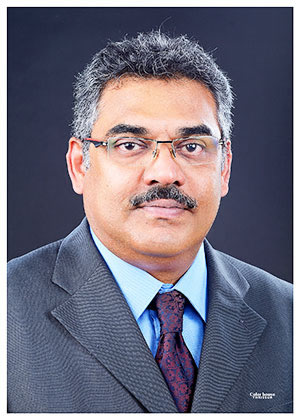
Dr Pradeep Kumar
Plastic, Reconstructive & Aesthetic Surgeon
SIPRAS, Elite Mission Hospital, Thrissur