
Finding the best rhinoplasty hospital in India is an important step for individuals considering nose reshaping surgery for cosmetic improvement or functional correction. Rhinoplasty is a highly specialized procedure that requires advanced surgical expertise, modern medical infrastructure, and comprehensive patient care. A well-equipped hospital ensures not only aesthetic precision but also safety, comfort, and long-term satisfaction with the results.
Rhinoplasty can address a wide range of concerns, including nasal shape irregularities, breathing difficulties, congenital deformities, and trauma-related damage. Choosing the right hospital plays a crucial role in achieving natural-looking outcomes and minimizing risks.
What Is Rhinoplasty?
Rhinoplasty, commonly known as a nose job, is a surgical procedure that reshapes the nose by modifying bone, cartilage, skin, or all three. The goal is to create a balanced appearance that complements facial features while preserving or improving nasal function.
Patients may seek rhinoplasty to:
- Reduce or increase nose size
- Smooth a hump on the bridge
- Refine a bulbous or drooping tip
- Correct asymmetry or crookedness
- Narrow wide nostrils
- Improve breathing by correcting structural issues
Why Choosing the Right Hospital Matters
Selecting the best hospital for rhinoplasty significantly affects the safety, precision, and final outcome of the surgery.
Advanced Surgical Facilities
Top hospitals are equipped with modern operating rooms, advanced imaging technology, and high-quality anesthesia systems. These resources enable precise surgical planning and execution.
Experienced Medical Teams
A skilled surgical team, including anesthesiologists and nursing staff, ensures that the procedure is performed safely and efficiently.
Comprehensive Care
Leading hospitals provide end-to-end care, including preoperative evaluation, surgical treatment, post-operative monitoring, and long-term follow-up.
Emergency Support
Access to intensive care units and emergency services is essential in the rare event of complications.
Types of Rhinoplasty Offered at Leading Hospitals
Cosmetic Rhinoplasty
This procedure focuses on enhancing the appearance of the nose. It may involve reshaping the bridge, refining the tip, or improving symmetry to achieve a balanced facial profile.
Functional Rhinoplasty
Functional rhinoplasty corrects structural problems that interfere with breathing, such as a deviated septum or nasal valve collapse. Many patients undergo both cosmetic and functional corrections simultaneously.
Revision Rhinoplasty
Revision surgery is performed to correct unsatisfactory results from a previous procedure. It is more complex due to scar tissue and altered anatomy.
Non-Surgical Rhinoplasty
Some hospitals also offer temporary nose reshaping using dermal fillers. This option is suitable for minor corrections but cannot reduce nose size or fix breathing problems.
Qualities of the Best Rhinoplasty Hospital
When evaluating hospitals, several factors indicate high standards of care.
Accreditation and Standards
Reputable hospitals follow strict safety protocols and maintain recognized quality standards, ensuring a safe surgical environment.
Advanced Technology
Modern equipment such as 3D imaging systems allows precise planning and helps patients visualize expected results before surgery.
Personalized Treatment Plans
Every nose is unique, and the best hospitals design customized treatment plans based on facial structure, skin thickness, and individual goals.
Infection Control Measures
Strict sterilization protocols reduce the risk of infection and promote safe recovery.
Patient-Centered Approach
High-quality hospitals focus on patient comfort, clear communication, and emotional support throughout the treatment journey.
Pre-Surgery Evaluation
Before rhinoplasty, a comprehensive assessment is conducted to determine suitability and plan the procedure.
Medical Examination
This includes a physical examination of the nose, evaluation of breathing, and review of medical history.
Facial Analysis
Surgeons assess facial proportions to ensure the new nose will harmonize with other features.
Imaging and Documentation
Photographs and digital simulations may be used to plan surgical changes and set realistic expectations.
Discussion of Goals
Patients discuss their concerns, preferences, and expected outcomes to ensure alignment with surgical possibilities.
Surgical Techniques Used
Open Rhinoplasty
A small incision is made between the nostrils, allowing full access to internal nasal structures. This method is ideal for complex reshaping and significant corrections.
Advantages:
- Greater visibility and precision
- Suitable for major structural changes
- Better control of nasal tip refinement
Closed Rhinoplasty
All incisions are made inside the nostrils, leaving no visible external scars.
Advantages:
- Faster recovery
- Less swelling
- No external incision
The Rhinoplasty Procedure
The surgery generally follows these steps:
- Administration of anesthesia
- Placement of incisions based on technique
- Reshaping of bone and cartilage
- Correction of internal structural issues if needed
- Placement of grafts for support or contouring
- Closure of incisions and application of splints
The procedure usually lasts between one and three hours.
Recovery and Healing
Immediate Recovery
After surgery, patients may experience swelling, bruising around the eyes, nasal congestion, and mild discomfort. These symptoms gradually improve over time.
First Week
- External splint removed after about one week
- Bruising begins to fade
- Light activities can resume
Weeks 2–4
- Swelling continues to decrease
- Breathing improves
- Strenuous activities should be avoided
Long-Term Healing
Most swelling resolves within a few months, but final results may take up to a year, especially for the nasal tip.
Benefits of Choosing a Top Hospital
Aesthetic Benefits
- Improved facial harmony
- Natural-looking nose shape
- Balanced profile
- Enhanced self-confidence
Functional Benefits
- Easier breathing
- Relief from nasal obstruction
- Improved sleep quality
- Better overall comfort
Risks and Safety Considerations
Although rhinoplasty is generally safe, potential risks include:
- Infection
- Bleeding
- Scarring
- Asymmetry
- Persistent swelling
- Changes in skin sensation
- Breathing difficulties
- Need for revision surgery
Choosing a well-equipped hospital significantly reduces these risks.
Post-Operative Care and Follow-Up
High-quality hospitals provide detailed aftercare instructions to ensure smooth recovery.
Recommended care includes:
- Keeping the head elevated while sleeping
- Avoiding nose blowing for several weeks
- Protecting the nose from impact
- Limiting strenuous activities
- Following medication guidelines
- Attending scheduled follow-up visits
Proper aftercare is essential for achieving optimal results.
Natural-Looking Results
Modern rhinoplasty focuses on subtle refinement rather than dramatic alteration. The best outcomes enhance facial balance while preserving individuality. A successful procedure should not make the nose look artificial or “overdone.”
Long-Term Results and Satisfaction
Rhinoplasty results are typically permanent once healing is complete. While natural aging continues, the reshaped structure of the nose remains stable.
Patients often report high satisfaction due to improvements in both appearance and breathing function.
Psychological Impact
Improving nasal appearance can positively influence self-esteem, social confidence, and emotional well-being. Correcting long-standing concerns about facial features often leads to greater comfort in personal and professional interactions.
Final Thoughts
Choosing the best rhinoplasty hospital in India is a crucial decision that can significantly influence both the safety of the procedure and the quality of the final results. Rhinoplasty is not just a cosmetic enhancement but a delicate surgical process that requires precision, advanced facilities, and comprehensive pre- and post-operative care. A well-established hospital environment helps ensure that every stage — from evaluation and surgical planning to recovery — is handled with the highest standards.
Patients considering rhinoplasty should focus on hospitals that offer modern infrastructure, experienced surgical teams, strict safety protocols, and personalized treatment approaches. Taking time to understand the procedure, recovery expectations, and potential risks can help set realistic goals and improve overall satisfaction.
Frequently Asked Questions
Rhinoplasty is a surgical procedure that reshapes the nose to improve its appearance, function, or both. It can correct size, shape, symmetry, and breathing problems caused by structural issues.
Look for hospitals with advanced surgical facilities, experienced medical teams, strong safety standards, positive patient outcomes, and comprehensive pre- and post-operative care.
No. Rhinoplasty can be cosmetic, functional, or both. Functional rhinoplasty addresses breathing difficulties caused by structural abnormalities.
The procedure typically takes between 1 to 3 hours, depending on the complexity of the correction required.
Most patients experience mild to moderate discomfort rather than severe pain. Prescribed medications effectively control post-surgical discomfort.
Initial recovery usually takes 1 to 2 weeks, while complete healing and final results may take several months to a year.
Closed rhinoplasty leaves no visible scars. Open rhinoplasty may leave a small scar between the nostrils, which usually fades over time.
Yes, the structural changes made during surgery are permanent, although natural aging will continue to affect facial tissues.
Possible risks include infection, bleeding, swelling, asymmetry, breathing difficulties, or the need for revision surgery, though serious complications are uncommon.
Initial improvements are visible within a few weeks, but the final refined shape typically appears after 6–12 months as swelling fully subsides.
Sushrutha Institute of Plastic, Reconstructive & Aesthetic Surgery

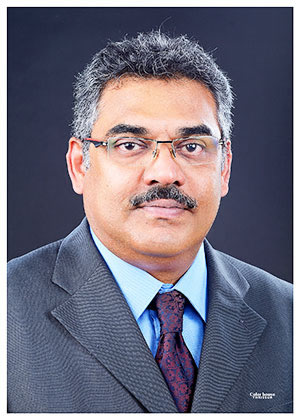
Dr Pradeep Kumar
Plastic, Reconstructive & Aesthetic Surgeon
SIPRAS, Elite Mission Hospital, Thrissur