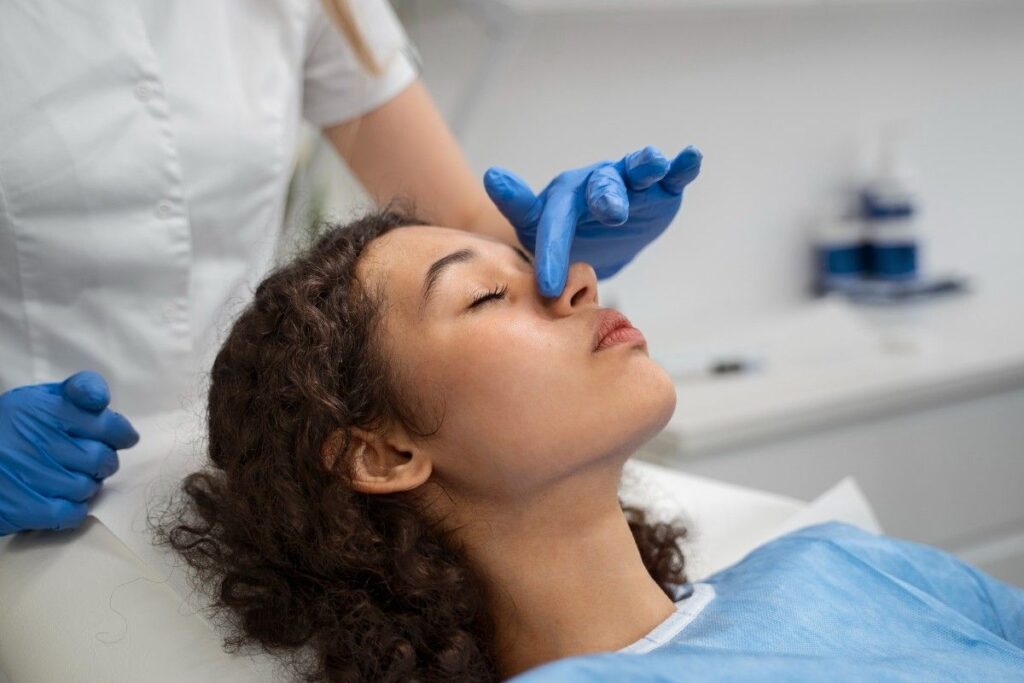
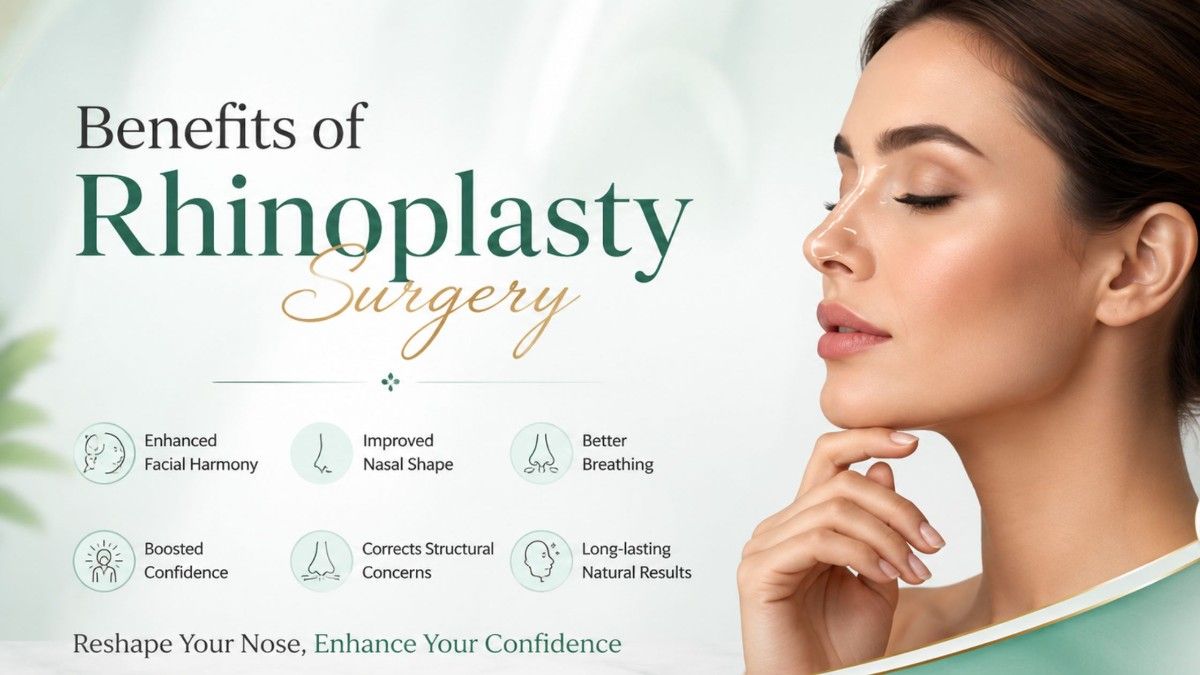
Rhinoplasty, often referred to as nose reshaping surgery, is one of the most commonly performed facial cosmetic procedures. While many people associate rhinoplasty with aesthetic enhancement, the procedure can also address structural issues that affect breathing and overall nasal function. The benefits of rhinoplasty surgery often extend beyond physical appearance, helping patients achieve better facial balance and increased confidence.
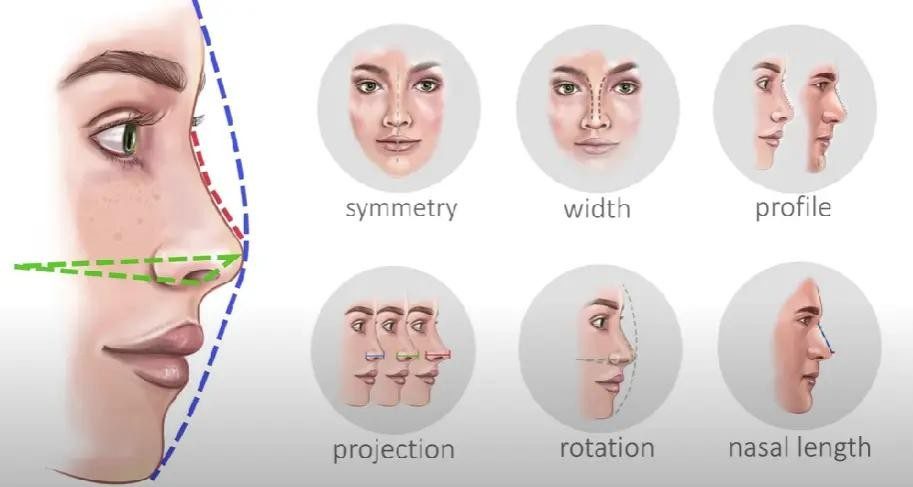
The nose is a central feature of the face, and even subtle refinements can improve overall facial harmony. Whether the goal is to reduce a nasal hump, refine the nasal tip, correct asymmetry, or improve airflow through the nose, a personalized rhinoplasty procedure can be designed to suit individual needs and facial proportions. To learn more about nose reshaping procedures, visit our comprehensive guide on Rhinoplasty Surgery and explore treatment options, recovery timelines, and consultation information.
What Is Rhinoplasty Surgery?
Rhinoplasty is a surgical procedure that modifies the shape, size, or structure of the nose. It may be performed for cosmetic reasons, functional reasons, or a combination of both. Modern techniques focus on preserving the natural character of the face while creating balanced and proportionate results.
Common concerns that rhinoplasty can address include:
- A prominent nasal hump
- A wide or flattened nasal bridge
- A drooping or bulbous nasal tip
- A crooked or asymmetrical nose
- A nose that appears too large or too small for the face
- Structural problems affecting nasal breathing
How Rhinoplasty Improves Facial Harmony
One of the primary benefits of rhinoplasty surgery is the improvement of facial proportions. Since the nose is located at the center of the face, changes to its shape can influence the appearance of the eyes, lips, cheeks, and chin.
Potential aesthetic benefits include:
- Better balance between facial features
- Improved side profile
- Enhanced facial symmetry
- A more refined and proportionate nasal contour
- A nose shape that complements natural facial characteristics
The goal of modern rhinoplasty is not to create a “perfect” nose but to achieve harmony between the nose and the rest of the face.
Benefits of Rhinoplasty for Self-Confidence
People who have long been concerned about the appearance of their nose may feel more comfortable and confident after surgery. Feeling satisfied with facial appearance can positively influence social interactions, photographs, and everyday self-image.
Many patients report:
- Greater confidence in personal and professional settings
- Reduced self-consciousness about their profile
- Improved comfort when taking photographs
- Increased satisfaction with their overall appearance
Although rhinoplasty is not a substitute for emotional well-being, achieving a long-desired aesthetic goal can contribute to a more positive self-image.
Functional Benefits of Rhinoplasty Surgery
In addition to cosmetic improvements, rhinoplasty can help correct structural issues that interfere with normal breathing. Functional rhinoplasty focuses on restoring or improving airflow through the nasal passages.
Conditions that may benefit from surgical correction include:
- Deviated nasal septum
- Nasal valve collapse
- Congenital nasal abnormalities
- Structural changes caused by injury or trauma
- Chronic nasal obstruction related to anatomy
By addressing these concerns, rhinoplasty may help improve comfort during daily activities, exercise, and sleep.
Long-Term Advantages of Rhinoplasty
Unlike temporary cosmetic treatments, rhinoplasty creates lasting structural changes. Once healing is complete, the results are generally long-lasting and become a permanent part of the patient’s facial appearance.
Long-term advantages may include:
- Stable nasal contour
- Lasting facial harmony
- Improved profile aesthetics
- Permanent correction of structural issues
- Durable functional improvements
Final results continue to refine gradually as swelling subsides over several months.
Rhinoplasty After Nasal Injury
Accidents and sports-related injuries can alter both the appearance and function of the nose. Trauma may lead to visible deformities, nasal fractures, or breathing difficulties.
Rhinoplasty after injury may help:
- Restore the natural shape of the nose
- Correct crookedness or asymmetry
- Repair damaged nasal structures
- Improve nasal airflow
- Re-establish facial balance after trauma
Careful surgical planning allows both cosmetic and functional concerns to be addressed together whenever possible.
Who Is a Good Candidate for Rhinoplasty?
Rhinoplasty may be suitable for adults who wish to improve the appearance or function of their nose and have realistic expectations about the outcome.
An ideal candidate generally:
- Is in good overall health
- Has completed facial growth
- Has concerns about nasal appearance or breathing
- Understands the recovery process
- Seeks natural-looking enhancement rather than dramatic alteration
A detailed consultation with an experienced surgeon helps determine whether the procedure aligns with the individual’s goals.
Recovery and Healing
Recovery after rhinoplasty varies from person to person. Most patients experience temporary swelling, mild bruising, and nasal congestion during the early healing period. These effects gradually improve over the following weeks.
During recovery, patients should:
- Follow all post-operative instructions carefully
- Attend scheduled follow-up appointments
- Avoid strenuous activities until advised
- Protect the nose from accidental injury
- Be patient, as final results develop gradually
Although many people return to normal daily activities within a short period, subtle refinement of the nasal shape can continue for several months.
Choosing the Right Surgeon
The success of rhinoplasty depends not only on surgical technique but also on careful planning and communication. Selecting a qualified and experienced surgeon is essential for achieving results that look natural and maintain proper nasal function.
During the consultation, patients should discuss:
- Their aesthetic goals
- Any breathing concerns
- Previous nasal injuries or surgeries
- Recovery expectations
- Potential benefits and limitations of treatment
A personalized treatment plan helps create results that complement each patient’s unique facial structure.
Conclusion
The benefits of rhinoplasty surgery go beyond cosmetic enhancement. By improving facial harmony, refining nasal contours, and addressing structural concerns that affect breathing, rhinoplasty can provide both aesthetic and functional advantages. Whether the goal is to achieve better facial balance, correct a previous injury, or improve nasal airflow, a personalized treatment plan helps ensure results that are natural-looking and tailored to individual needs.
Understanding the possibilities, recovery process, and expected outcomes allows patients to make informed decisions and approach rhinoplasty with realistic expectations and confidence. Patients can learn more about rhinoplasty procedures and nasal surgery through the American Society of Plastic Surgeons rhinoplasty guide
Frequently Asked Questions
Sushrutha Institute of Plastic, Reconstructive & Aesthetic Surgery
Dr Pradeep Kumar
Plastic, Reconstructive & Aesthetic Surgeon
SIPRAS, Elite Mission Hospital, Thrissur