Elite Mission Hospital · Koorkenchery, Thrissur
24 × 7 Emergency Plastic Surgery Care

What Happens During a Rhinoplasty Consultation? This is an important question for anyone thinking about changing the shape of their nose or improving a breathing problem. A rhinoplasty consultation is the first step in understanding whether nose surgery may be suitable for your needs. During this meeting, the plastic surgeon listens to your concerns, reviews your medical history and examines your nose. The surgeon may also assess your facial proportions, nasal structure, skin characteristics and breathing. These steps help create a treatment plan based on your individual needs rather than following the same approach for every patient. You can ask questions, discuss your expectations and learn about possible results, risks and recovery.
At Sushrutha Institute of Plastic, Reconstructive & Aesthetic Surgery in Thrissur, rhinoplasty is included among the cosmetic surgery procedures listed by the institute. Located at Elite Mission Hospital, Koorkenchery, the centre describes a team-based plastic surgery department and facilities for cosmetic and reconstructive care. A consultation can help patients understand the available options for nose reshaping and whether functional concerns also need attention. People considering Rhinoplasty Surgery in Kerala should use this appointment to share their goals, understand the surgeon’s recommendations and make an informed decision. The purpose is not to rush into surgery, but to understand the procedure, its limitations and the care that may be needed before and after treatment.
What Happens During a Rhinoplasty Consultation? The appointment usually begins with a conversation between you and the plastic surgeon. You can explain what you would like to change about your nose, such as its bridge, tip, width or overall shape. Some people are concerned about the appearance of their nose, while others experience breathing difficulties or have changes caused by an injury. The surgeon listens to these concerns and asks questions to understand your reasons for considering treatment. You do not need to know medical terms to explain what is bothering you. Simple descriptions are enough to begin the discussion.
The surgeon may explain how rhinoplasty works and what it can and cannot achieve. Nose surgery is not simply about making a nose smaller. It may involve reshaping cartilage or bone, improving support, or addressing certain structural problems. The recommended approach depends on your anatomy and treatment goals. During the appointment, you should feel comfortable asking questions and requesting explanations in simple language. A good consultation gives you time to understand the information rather than making you feel pressured to decide immediately.
Explain the changes you are considering.
Mention any breathing concerns.
Share details of previous nose injuries or operations.
Ask about treatment options and limitations.
An important part of a rhinoplasty consultation is reviewing your medical history. The surgeon may ask about existing health conditions, previous operations, allergies and medicines you take regularly. This information helps the medical team understand whether any health issues could affect surgery, anaesthesia or recovery. Be honest when answering these questions. Even details that seem unrelated to your nose may be important when planning an operation. If you have had a previous nasal procedure, explain when it happened and whether you experienced any problems afterwards.
The surgeon may also ask about smoking, alcohol use and other lifestyle factors that can influence healing. If you take blood-thinning medicines or supplements, mention them rather than stopping anything on your own. The medical team will advise you if any changes are needed before surgery. Patients considering What Happens During a Rhinoplasty Consultation? should remember that the appointment is not only about appearance. It is also about checking general health and identifying factors that may affect safety. Bring relevant medical reports and a list of your current medicines if available.
Previous surgeries and hospital admissions.
Allergies and regular medications.
Existing medical conditions.
Smoking and other lifestyle habits.
Previous nasal injuries or breathing problems.
A physical examination helps the surgeon understand the shape and structure of your nose. The surgeon may look at your nose from the front, side and other angles. The examination can include the nasal bridge, tip, nostrils, width and the relationship between the nose, chin, forehead and other facial features. This is important because a nose should be considered as part of the whole face. A change that looks suitable in one photograph may not suit another person’s facial proportions. The surgeon therefore considers your natural features before discussing possible changes.
The surgeon may also examine the inside of your nose if you report blocked breathing or other nasal symptoms. This can help identify concerns such as a deviated septum or other structural issues. Not every patient needs the same examination or investigation. The surgeon decides what is appropriate based on your symptoms and medical findings. When learning What Happens During a Rhinoplasty Consultation?, understand that this assessment helps guide treatment planning. It does not mean that every person who attends a consultation will need surgery.
Your expectations are an important part of the consultation. You may bring photographs showing nose shapes you like, but these should be used only to explain your preferences. They cannot guarantee that the same result can be achieved for you. Every person has different nasal bones, cartilage, skin thickness and facial proportions. The surgeon will explain which changes may be realistic and which may not be suitable for your anatomy. It is important to discuss what matters most to you rather than asking for a particular nose without considering your natural features.
The surgeon may also explain that perfect symmetry is not always possible. Small differences between the two sides of the face are normal, and surgery cannot remove every natural variation. A realistic treatment goal is one that considers both appearance and function. If your expectations are unclear, take time to discuss them. During What Happens During a Rhinoplasty Consultation?, the surgeon and patient should develop a shared understanding of the intended changes. This helps reduce confusion about the purpose and possible outcome of the procedure.
Explain which part of your nose concerns you most.
Share reference photographs if they help describe your preferences.
Ask what changes are realistically achievable.
Discuss whether breathing improvement is also a goal.
Rhinoplasty may be performed for cosmetic reasons, functional reasons or a combination of both. Cosmetic rhinoplasty focuses on changing the appearance of the nose. A patient may wish to address the nasal bridge, tip, width or overall balance of the nose with the rest of the face. Functional rhinoplasty focuses on structural concerns that affect nasal function. For example, some patients have difficulty breathing because of an internal nasal problem. The surgeon needs to understand which concerns apply to you before recommending a treatment approach.
In selected cases, cosmetic and functional corrections may be considered together. Septorhinoplasty is one term used when rhinoplasty is combined with correction of the nasal septum. However, the right option depends on the examination and diagnosis. The website lists rhinoplasty among its cosmetic surgery procedures and describes treatment approaches that include cosmetic and functional nasal concerns. If you are asking What Happens During a Rhinoplasty Consultation?, use the appointment to explain both appearance-related and breathing-related concerns. The surgeon can then discuss whether further assessment is needed.
Photographs may be taken during a rhinoplasty consultation to record the nose from different angles. These images can help the surgeon assess facial proportions and explain possible treatment options. Depending on the clinical setting, photographs or digital tools may also be used to support the discussion. They are planning aids, not promises of the final surgical result. Healing, tissue response and individual anatomy can influence the outcome, so a computer image should never be treated as a guarantee.
After examining your nose and discussing your goals, the surgeon may outline a possible treatment plan. This may include the areas that could be changed, whether the procedure is mainly cosmetic or functional, and what further tests may be needed. The plan may also consider whether an open or closed surgical approach is suitable. These techniques differ in how the surgeon accesses the nasal structures, and the choice depends on the complexity of the correction. Understanding What Happens During a Rhinoplasty Consultation? means recognising that the plan is individual. It should be based on your examination, health and goals.
The surgeon may explain different rhinoplasty techniques during the appointment. In open rhinoplasty, an incision is made across the small strip of tissue between the nostrils, allowing the surgeon to view the underlying nasal framework. In closed rhinoplasty, incisions are made inside the nostrils. Each method has possible uses, benefits and limitations. The choice is not based on preference alone. It depends on the changes required, the structure of your nose and the surgeon’s clinical judgement.
You may also discuss anaesthesia. The type used depends on the planned procedure, your health and the anaesthesia team’s assessment. The surgeon or anaesthetist can explain how you will be kept comfortable and monitored. Ask about the expected length of the operation, whether a hospital stay may be required and what support will be available afterwards. These details are part of What Happens During a Rhinoplasty Consultation? because they help you understand the full treatment journey. Do not hesitate to ask the surgeon to explain unfamiliar terms.
Every operation has possible risks, and rhinoplasty is no exception. The surgeon should explain risks that may apply to your individual case. These can include bleeding, infection, reactions to anaesthesia, changes in sensation, scarring, breathing problems, dissatisfaction with appearance or the need for further treatment. The possibility and level of risk vary between patients. Your medical history, nasal anatomy, the planned technique and healing response can all influence the discussion. Understanding these risks is essential before deciding whether to proceed.
Recovery is another important topic. After surgery, swelling and bruising may occur, and the nose may need support from a splint or dressing for a period advised by the surgeon. The time needed to return to work, school or normal activities varies. Final changes can take months to settle as swelling reduces. The surgeon will provide instructions about cleaning, sleeping position, activity restrictions and follow-up visits. When considering What Happens During a Rhinoplasty Consultation?, ask what help you may need at home and when you should contact the hospital if you notice unexpected symptoms.
Ask about common and less common risks.
Understand the expected early recovery period.
Follow instructions about exercise and contact sports.
Attend scheduled follow-up appointments.
Seek medical advice if you experience concerning symptoms.
A consultation is your opportunity to understand the procedure clearly. You do not need to make a decision during the first appointment. Write down your questions before visiting the surgeon so that you do not forget anything. You can ask about the surgeon’s experience with the procedure, the recommended technique, the expected recovery, possible complications and the likely costs. If something is unclear, ask for another explanation. Understanding the answers is more important than simply receiving a large amount of information.
You may also ask whether additional investigations are required and how follow-up care will be arranged. If you are considering Rhinoplasty Surgery in Kerala, it is sensible to understand where the procedure will take place and what hospital support is available. Ask for a clear explanation of what is included in the treatment estimate and whether any expenses may be separate. A careful decision should be based on your health, expectations, the surgeon’s advice and your understanding of the benefits and limitations.
Useful questions include:
Am I medically suitable for rhinoplasty?
Which technique may be appropriate for my nose?
Can the procedure address my breathing concerns?
What results are realistic in my case?
What risks should I understand?
How long may recovery take?
What follow-up care will I need?
What costs may be included or charged separately?
Patients looking for a rhinoplasty consultation in Thrissur can enquire with Sushrutha Institute of Plastic, Reconstructive & Aesthetic Surgery, located at Elite Mission Hospital, Koorkenchery. The institute’s website lists rhinoplasty among its cosmetic surgery procedures and describes a plastic surgery department with a team of surgeons and facilities for cosmetic and reconstructive care. A consultation is the appropriate time to discuss your individual concerns, undergo an assessment and understand which options may be suitable. The surgeon’s recommendations should always depend on your examination and medical needs.
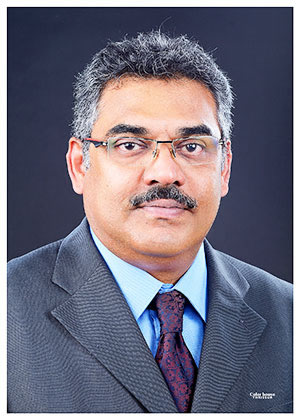
Plastic, Reconstructive & Aesthetic Surgeon
SIPRAS, Elite Mission Hospital, Thrissur
During a rhinoplasty consultation, the surgeon discusses your concerns, examines your nose, reviews your medical history and explains suitable treatment options. You can also ask questions about the procedure, recovery and expected outcomes.
Discuss the changes you would like to make, any breathing difficulties, previous nasal injuries or surgeries, medical conditions, medications and your expectations. Sharing your concerns helps the surgeon understand your needs.
Yes. The surgeon may examine the external shape of your nose, nasal structure, skin thickness and internal nasal passages when clinically appropriate. This helps assess your anatomy and identify possible functional concerns.
Clinical photographs may be taken to document your existing nasal appearance and support treatment planning. The surgeon may use different viewing angles to assess facial proportions and discuss possible surgical changes.
Yes. You can explain your aesthetic goals and ask what changes may be achievable. The surgeon will discuss realistic outcomes based on your nasal anatomy, facial proportions, skin characteristics and medical suitability.
If you experience nasal blockage, difficulty breathing or other functional concerns, inform the surgeon. An examination may be recommended to assess the nasal septum, internal structures and possible causes of obstruction.
Bring relevant medical records, previous nasal surgery details, investigation reports, medication information and allergy history if available. These details help the surgeon understand your health background.
The duration varies depending on your medical history, examination requirements and questions. Allow enough time to discuss your concerns, understand the treatment options and clarify the next steps.
You can ask for an estimated cost during the consultation. The final quotation may depend on the surgical plan, complexity, anaesthesia, hospital facilities, investigations and aftercare requirements.
Yes. A consultation helps you understand the procedure, possible benefits, limitations, risks and recovery. You can take time to consider the information and make an informed decision without feeling pressured.
EXCELLENTTrustindex verifies that the original source of the review is Google. നമസ്തേ എൻ്റെ പേര് ദിദീഷ് കഴിഞ്ഞ ആഴ്ച ഞാൻ ഒരു അപകടം പറ്റി Elite ഹോസ്പിറ്റലിൽ അഡ്മിറ്റ് ആയിരുന്നു ഒപ്പം എൻ്റെ ചേട്ടനും ഉണ്ടായിരുന്നു ഡോർ കട്ട് ചെയ്യുന്നതിനിടെ കട്ടർ തെറിച്ചു കാൽപാദം പകുതി മുറിഞ്ഞ് . ചേട്ടന് കാൽമുട്ടിൽ ആയിരുന്നു ഓപറേഷൻ കഴിഞ്ഞു വീട്ടിൽ ആണ് രണ്ടാളും സുഖമായിരിക്കുന്നു. എൻ്റെ കാൽപാദം മുറിച്ചു മാറ്റും എന്ന ഒരു പേടി മാത്രേ എനിക്കുണ്ടായിരുന്നുള്ളു പക്ഷെ അങ്ങനെ ഒന്നും സംഭവിച്ചില്ല എല്ലാ സ്റ്റാഫിനും നന്ദി പറയുന്നു കാരണം വന്നപ്പോ തൊട്ട് എല്ലാവരും സമാതാനിപ്പിക്കായിരുന്നൂ എല്ലാവരോടും സ്നേഹം അറിയിക്കുന്നു പ്രത്യേകിച്ച് ഡോക്ടറോട് 🙏🏻Trustindex verifies that the original source of the review is Google. Excellent center for all cosmetic procedures... highly recommendedTrustindex verifies that the original source of the review is Google. The surgery is in a seamless hospital and everything is very excellent
This website uses cookies to ensure you get the best experience on our website.