Elite Mission Hospital · Koorkenchery, Thrissur
24 × 7 Emergency Plastic Surgery Care
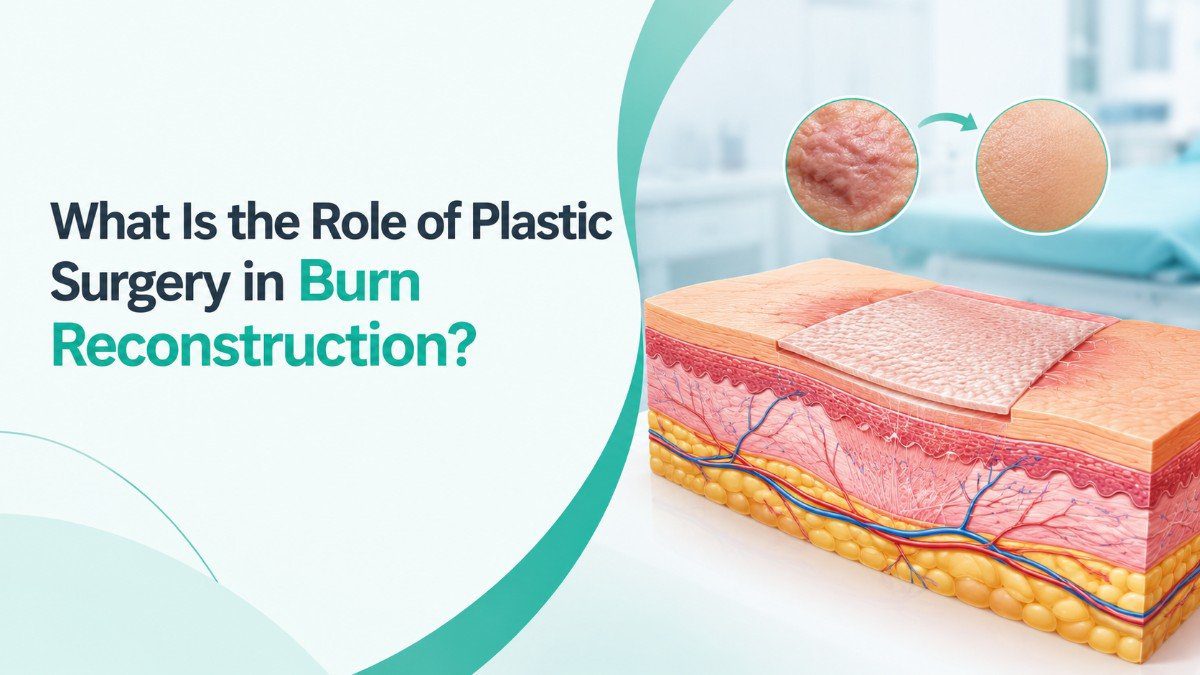
What is the role of plastic surgery in burn reconstruction ? , it is to help restore the damaged tissue, improve movement and address the lasting effects of burn injuries. Although initial burn treatment focuses on stabilising the patient and managing the wound, some people experience long-term problems such as tight scars, restricted joint movement, changes in skin texture or tissue loss. Reconstructive plastic surgery may help address these concerns through treatments selected according to the injury, healing progress and the patient’s individual needs.
At SIPRA (Sushrutha Institute of Plastic, Reconstructive & Aesthetic Surgery), burn-related reconstructive care includes procedures intended to manage post-burn scars, contractures and tissue defects. Treatment may involve scar revision, skin grafting, flap reconstruction or other approaches, depending on the affected area and the extent of damage. The main objective is to improve function and tissue coverage while considering appearance, comfort and long-term recovery.
Burn reconstruction refers to surgical procedures and supportive treatments used to address problems that remain after a burn injury. Burns can damage the skin and, in more severe cases, deeper tissues. As the injury heals, scar tissue may form and behave differently from the surrounding skin. It can be thicker, less flexible or more restrictive, particularly when it develops across joints or other areas that need to move freely.
The effects of a burn depend on several factors, including its depth, size, location and healing process. A burn affecting the neck may restrict the ability to turn the head, while a burn around the fingers or elbow may interfere with everyday activities. Scarring around the mouth or eyelids can also affect movement and function.
Not every burn injury requires reconstructive surgery. Some wounds heal with appropriate medical care and rehabilitation. However, when tissue loss, tight scars or contractures cause persistent problems, a plastic surgeon may assess whether reconstruction could help.
The timing of treatment is equally important. Some procedures are needed during the initial management of a serious burn, while others are considered after the wound has healed and the resulting scar or functional limitation can be evaluated. The treatment plan should reflect the patient’s medical condition and the specific problem being addressed.
Burn reconstruction is not limited to changing the appearance of a scar. Its purpose may include improving movement, releasing tight tissue, covering areas where skin is missing and addressing structural changes caused by the injury.
One important reason for reconstructive treatment is to address restrictions caused by burn scars. When scar tissue contracts, it can pull the surrounding skin and limit the movement of a joint or nearby body part. This condition is known as a post-burn contracture.
Contractures may develop around the neck, shoulders, elbows, wrists, fingers, knees or other joints. Depending on their location and severity, they can make activities such as turning the head, reaching overhead, gripping objects or walking more difficult.
Plastic surgery may help release tight scar tissue and provide suitable tissue coverage. Skin grafts, local flaps or other reconstructive techniques may be considered after examination. Rehabilitation, stretching or splinting may also form part of the treatment plan when appropriate.
The degree of improvement varies between patients. The surgeon considers the extent of the contracture, the condition of the surrounding tissues and the structures affected before recommending treatment.
Deep burns can destroy skin over an affected area, leaving a wound that cannot close adequately on its own. In selected cases, reconstructive surgery may be needed to provide coverage and protect underlying tissues.
Skin grafting is one technique used for this purpose. It involves taking skin from a suitable donor area and placing it over a wound that needs coverage. The suitability of a graft depends on factors such as the wound bed, blood supply, injury severity and the patient’s overall condition.
For more complex defects, a flap may be considered. Flap reconstruction uses tissue moved from another location, with its blood supply maintained or reconnected as required by the technique. This can be useful when the defect needs tissue beyond what a skin graft alone can provide.
The surgeon determines the most appropriate method according to the location, size and depth of the defect and the tissues that need protection.
Burn scars can vary in thickness, texture, colour and flexibility. Some become raised or firm, while others pull on nearby skin and cause discomfort or restricted movement. The impact depends on the scar’s location, size and depth, as well as how the wound healed.
Plastic surgery may help improve the condition or function of selected burn scars. The treatment depends on whether the primary concern is tightness, an uneven scar, tissue loss or a limitation affecting daily activities.
Scar revision is one option that may be considered in suitable cases. It involves surgically modifying a scar to improve its position, shape or effect on nearby tissue. The aim is not to remove every trace of the original injury, since scars cannot always be eliminated completely. Instead, treatment focuses on addressing specific problems and achieving a realistic improvement.
Some patients may also benefit from non-surgical scar management or rehabilitation. The appropriate approach depends on the maturity of the scar, the symptoms it causes and the findings of the clinical assessment.
A post-burn contracture occurs when scar tissue tightens and restricts the movement of nearby skin or joints. It can develop after a burn heals, particularly when the injury affects areas that bend, stretch or move frequently.
Contractures may affect the neck, armpit, elbow, wrist, fingers, knees or other areas. For instance, tight scar tissue around the fingers can make gripping objects difficult, while a contracture across the neck may limit head movement.
Contracture release surgery aims to loosen the restrictive tissue. After the scar is released, the resulting area may need additional coverage to allow healing and support movement. Depending on the defect, a surgeon may consider skin grafting, local flap reconstruction or another suitable technique.
Surgery may be combined with physiotherapy, splinting or guided exercises to help maintain movement and reduce the risk of renewed tightness. The precise rehabilitation plan depends on the body area involved and the procedure performed.
For people experiencing persistent movement restrictions due to burn scars, post-burn contracture reconstruction provides further information about this type of reconstructive treatment.
Skin grafting is an important reconstructive technique when an area needs skin coverage and cannot heal adequately without intervention. A graft uses skin taken from another part of the patient’s body and places it over the prepared recipient area.
The surgeon assesses the wound or defect before deciding whether a graft is suitable. Factors such as the availability of healthy tissue, blood supply, wound condition and location can influence the choice of technique.
Skin grafts may be used in selected burn-related wounds and reconstructive procedures. However, a graft does not behave exactly like the original skin in every respect. Differences in colour, texture, flexibility and sensation may remain, and the grafted area can develop scars or contractures.
After grafting, careful wound care and follow-up are important. The treating team provides instructions about dressings, activity restrictions and rehabilitation based on the procedure and the patient’s recovery.
Some burn-related defects require more than a skin graft. If deeper tissues are exposed, the wound has limited suitable coverage, or additional tissue is needed to protect important structures, flap reconstruction may be considered.
A flap consists of tissue transferred from another part of the body while maintaining or restoring its blood supply. Depending on the clinical requirements, it may contain skin and underlying tissue. The choice of flap depends on the defect’s location, depth, size and functional requirements.
Flap reconstruction can provide coverage for complex defects and may help protect structures such as tendons, joints or other tissues that need a suitable covering. It can also be useful when scar release leaves an area that requires additional tissue.
Flap surgery is more complex than some other reconstructive procedures and may not be necessary for every patient. The surgeon weighs the potential benefits against the risks, donor-site considerations and recovery requirements before recommending it.
The location of a burn can strongly influence the type of reconstruction needed. Injuries affecting the face, hands and joints may create particular challenges because these areas have important functional and structural roles.
Facial burns: Scarring around the eyelids, mouth or nose may affect movement, closure or normal function. Reconstructive treatment depends on the structures involved and the degree of restriction. The goals may include improving function, restoring tissue coverage and addressing scar-related changes.
Hand burns: The hands are essential for gripping, handling objects and performing everyday tasks. Burn scars can tighten around the fingers, palm or wrist and limit movement. Treatment may involve contracture release, skin grafting, flap reconstruction or rehabilitation, depending on the findings.
Burns around joints: Scar tissue that crosses a joint can restrict bending or straightening. Reconstructive treatment may aim to release the tight area and provide suitable coverage, often alongside rehabilitation to support mobility.
Each case requires individual assessment. The surgeon considers the affected structures, the condition of the scar, the patient’s functional needs and the likelihood of achieving a meaningful improvement.
The timing of burn reconstruction depends on the severity of the original injury, the condition of the wound, the patient’s overall health and the problem that needs to be treated. Some procedures are required during the initial management of a serious burn, while others may be considered after the wound has healed and the effects of scarring become clearer.
Reconstruction may be considered when a burn leaves an area that needs additional tissue coverage, when a scar restricts movement, or when changes to the surrounding tissue interfere with daily activities. Persistent discomfort, difficulty using an affected body part or problems caused by a tight scar may also warrant specialist assessment.
Not every scar requires surgery. Some can be managed with non-surgical treatments, rehabilitation or observation. In other cases, delaying a procedure until the tissue is suitable may help the surgeon plan the reconstruction more effectively. However, certain wounds or functional problems may require earlier intervention.
A plastic surgeon can assess the injury or scar, discuss the available options and explain the possible benefits and limitations of each approach. Treatment timing should be determined individually rather than according to a fixed schedule.
Recovery after burn reconstruction varies considerably because the procedures used to treat burn-related problems are not all the same. A smaller scar revision may involve different recovery needs from a complex contracture release, skin graft or flap reconstruction.
Following surgery, the treated area may require dressings and regular wound reviews. Patients are usually given instructions about wound care, hygiene, activity and signs that need medical attention. It is important to follow the treating team’s guidance rather than changing dressings or applying products without advice.
Movement may be restricted temporarily, depending on the location of the reconstruction and the technique used. When a joint or hand is involved, a rehabilitation programme may be recommended to support mobility and help maintain the improvement achieved through surgery. Splints or other supportive devices may also be advised in selected cases.
Healing and scar maturation take time. The appearance, flexibility and comfort of the reconstructed area may continue to change during follow-up. Some patients need additional procedures or ongoing scar management to address persistent problems.
Patients should attend scheduled appointments so the surgeon can monitor healing, assess movement and identify complications early. Recovery expectations should be discussed before treatment, including the possibility that the final result may differ from the intended outcome.
As with other surgical procedures, burn reconstruction has potential risks. These vary according to the patient’s health, the extent of the original injury, the procedure performed and the condition of the affected tissue.
Possible complications may include infection, bleeding, delayed wound healing, problems with graft or flap healing, changes in sensation and further scar formation. In some cases, a contracture can recur or the reconstructed area may not achieve the expected degree of movement or appearance.
Skin grafts and flaps also involve specific considerations. A graft may not fully survive, while flap surgery can involve problems related to blood supply or healing. The donor area may develop its own scar or require additional care.
Reconstruction cannot always restore the skin to its original condition. Differences in texture, colour, sensation or flexibility may remain, particularly after deeper burns. More than one procedure may be required when the injury is extensive or when the initial reconstruction does not fully address the functional problem.
Before treatment, patients should discuss the expected benefits, possible complications, alternatives and recovery requirements with their plastic surgeon. Understanding these limitations helps support realistic expectations and informed decisions.
Several factors can affect the results of burn reconstruction. These include:
Extent and depth of the injury: More extensive tissue damage can require more complex reconstruction and longer recovery.
Location of the burn: Areas such as the face, hands, neck and joints may need particular attention because of their functional importance.
Scar characteristics: Scar thickness, tightness, maturity and the amount of surrounding healthy tissue can influence treatment choices.
General health: Existing health conditions, nutritional status and other individual factors may affect healing and surgical planning.
Choice of procedure: Skin grafting, flap reconstruction and contracture release have different indications, benefits and limitations.
Rehabilitation and follow-up: Following wound-care instructions and completing recommended therapy can be important for recovery, especially when movement is affected.
No single technique is suitable for every burn injury. Careful assessment helps the surgeon select an approach that addresses the patient’s specific needs while considering potential risks and practical recovery requirements.
Burn-related reconstructive care may involve managing scars, releasing contractures, providing tissue coverage and addressing limitations caused by healed burn injuries. The appropriate plan depends on the affected area, the severity of the tissue damage and the patient’s treatment goals.
At SIPRA (Sushrutha Institute of Plastic, Reconstructive & Aesthetic Surgery), the relevant reconstructive options may include procedures such as skin grafting, flap surgery and post-burn contracture reconstruction, depending on clinical suitability. A specialist assessment helps determine whether surgery is appropriate and whether other supportive treatments should be included.
Patients considering treatment can read more about burn scar revision and the available plastic and reconstructive surgery services. These resources provide further context about procedures that may be considered for selected burn-related concerns.
The purpose of an assessment is to understand the problem, explain realistic treatment options and establish a plan suited to the individual’s needs. The benefits, limitations, risks and likely recovery process should be discussed before a decision is made.
Plastic surgery can help address tissue damage, tight scars, contractures and skin loss after a burn injury. Depending on the individual's condition, treatment may involve scar revision, skin grafting, flap reconstruction or contracture release to improve tissue coverage and function.
Reconstructive surgery may be considered when a burn leaves tissue loss, restricts movement, creates a tight scar or affects the function of an area such as the hand, neck or joint. The timing depends on the injury, healing progress and the patient's individual needs.
Burn reconstruction cannot guarantee complete scar removal. Scar revision and other treatments may improve a scar's appearance, flexibility or effect on nearby tissues, but some differences in colour, texture and sensation may remain.
A post-burn contracture occurs when scar tissue tightens and restricts the movement of nearby skin or joints. It may affect areas such as the neck, fingers, elbows or knees. Treatment may include contracture release, skin grafting, flap reconstruction and rehabilitation, depending on the severity.
Skin grafting involves transferring a layer of skin from a donor area to a wound that needs coverage. Flap reconstruction transfers tissue with its blood supply maintained or reconnected, depending on the technique. A flap may be suitable for more complex defects that require additional tissue or protection of deeper structures.
In selected cases, reconstructive surgery can release tight scar tissue that limits movement. Rehabilitation, splinting or guided exercises may also be recommended. The degree of improvement depends on the scar, the structures affected and the individual's healing and recovery.
Recovery varies according to the procedure, the extent of the burn-related damage and the patient's general health. Wound healing, scar maturation and rehabilitation may take different amounts of time. The treating surgeon can provide guidance based on the planned procedure and individual circumstances.
Potential risks include infection, bleeding, delayed wound healing, further scarring and problems with graft or flap healing. Contractures may also recur in some cases. The risks depend on the procedure and the patient's condition and should be discussed with the surgeon before treatment.
No. Some burn scars can be managed with non-surgical treatments, scar care or rehabilitation. Surgery may be considered when a scar causes significant restriction, tissue loss or another problem that may benefit from reconstruction. A specialist assessment helps determine the appropriate approach.
A plastic surgeon can assess the scar, tissue damage, movement restrictions and overall health before discussing suitable options. Depending on the findings, the plan may involve scar revision, contracture release, skin grafting, flap reconstruction or non-surgical support.
EXCELLENTTrustindex verifies that the original source of the review is Google. നമസ്തേ എൻ്റെ പേര് ദിദീഷ് കഴിഞ്ഞ ആഴ്ച ഞാൻ ഒരു അപകടം പറ്റി Elite ഹോസ്പിറ്റലിൽ അഡ്മിറ്റ് ആയിരുന്നു ഒപ്പം എൻ്റെ ചേട്ടനും ഉണ്ടായിരുന്നു ഡോർ കട്ട് ചെയ്യുന്നതിനിടെ കട്ടർ തെറിച്ചു കാൽപാദം പകുതി മുറിഞ്ഞ് . ചേട്ടന് കാൽമുട്ടിൽ ആയിരുന്നു ഓപറേഷൻ കഴിഞ്ഞു വീട്ടിൽ ആണ് രണ്ടാളും സുഖമായിരിക്കുന്നു. എൻ്റെ കാൽപാദം മുറിച്ചു മാറ്റും എന്ന ഒരു പേടി മാത്രേ എനിക്കുണ്ടായിരുന്നുള്ളു പക്ഷെ അങ്ങനെ ഒന്നും സംഭവിച്ചില്ല എല്ലാ സ്റ്റാഫിനും നന്ദി പറയുന്നു കാരണം വന്നപ്പോ തൊട്ട് എല്ലാവരും സമാതാനിപ്പിക്കായിരുന്നൂ എല്ലാവരോടും സ്നേഹം അറിയിക്കുന്നു പ്രത്യേകിച്ച് ഡോക്ടറോട് 🙏🏻Trustindex verifies that the original source of the review is Google. Excellent center for all cosmetic procedures... highly recommendedTrustindex verifies that the original source of the review is Google. The surgery is in a seamless hospital and everything is very excellent
This website uses cookies to ensure you get the best experience on our website.

