
Choosing the right plastic surgery hospital in Kerala is an important decision when treatment involves appearance, function, reconstruction, or recovery after an injury. In Thrissur, patients can access hospital-based plastic and reconstructive surgical care covering cosmetic procedures, microsurgery, burns, trauma, breast surgery, facial procedures, hand surgery, and complex reconstruction.
Plastic surgery is much broader than cosmetic enhancement. A modern plastic surgery hospital in Kerala may provide treatment for congenital conditions, traumatic injuries, burns, scars, wounds, nerve injuries, cancer-related defects, and functional problems, alongside aesthetic procedures. Understanding the available services can help patients make informed decisions and choose care appropriate to their individual needs.
What Is Plastic Surgery
Plastic surgery is a surgical specialty concerned with repairing, reconstructing, restoring, or changing different parts of the body. It includes both reconstructive plastic surgery and cosmetic plastic surgery.
Reconstructive procedures are generally performed to restore form and function following:
- Accidents and traumatic injuries
- Burns
- Cancer surgery
- Congenital conditions
- Severe wounds
- Hand injuries
- Nerve injuries
- Tissue loss
- Previous surgical complications
Cosmetic procedures are designed to alter or enhance specific physical features. These may include facial surgery, breast procedures, body contouring, and other aesthetic treatments.
A comprehensive plastic surgery hospital in Kerala brings these areas together within a hospital-based environment, allowing patients to receive assessment, surgery, postoperative monitoring, and follow-up care according to their individual requirements.
What Services Are Available at a Plastic Surgery Hospital in Kerala
Plastic surgery covers a wide range of procedures. The exact services available depend on the expertise of the surgical team and the facilities of the hospital.
A comprehensive plastic surgery hospital in Kerala may provide the following categories of care.
Reconstructive Plastic Surgery
Reconstructive surgery focuses on restoring the appearance and function of areas affected by disease, injury, congenital conditions, or previous treatment.
Common areas include:
- Facial reconstruction
- Breast reconstruction
- Ear reconstruction
- Nose reconstruction
- Scalp reconstruction
- Hand reconstruction
- Limb reconstruction
- Soft-tissue reconstruction
- Scar revision
- Wound reconstruction
Cosmetic Plastic Surgery
Cosmetic surgery focuses on improving the appearance or proportions of specific areas.
Procedures may include:
- Rhinoplasty
- Facelift
- Eyelid surgery
- Brow lift
- Otoplasty
- Breast augmentation
- Breast reduction
- Breast lift
- Gynecomastia surgery
- Liposuction
- Abdominoplasty
- Body contouring
- Fat grafting
Microsurgery and Microvascular Reconstruction
Microsurgery is an advanced area of plastic surgery that uses specialised techniques and magnification to work with very small blood vessels and nerves.
It can be useful in complex reconstruction involving:
- Free flap surgery
- Tissue transfer
- Nerve repair
- Brachial plexus reconstruction
- Hand reconstruction
- Complex trauma
- Cancer reconstruction
- Limb reconstruction
Burns and Trauma Reconstruction
Plastic surgeons also play an important role in the management of severe burns and traumatic injuries. Depending on the injury, treatment may involve wound management, skin grafting, flap procedures, scar treatment, or reconstruction to improve function.
Cosmetic and Reconstructive Plastic Surgery: What Is the Difference
One of the most important things to understand before choosing a plastic surgery hospital in Kerala is the difference between cosmetic and reconstructive surgery.
Cosmetic plastic surgery is generally performed to change or enhance a person’s appearance. Examples include rhinoplasty, facelift surgery, breast augmentation, liposuction, and tummy tuck procedures.
Reconstructive plastic surgery, on the other hand, focuses on restoring appearance and function affected by injury, disease, congenital conditions, burns, cancer treatment, or other medical circumstances.
The two areas can sometimes overlap. For example, reconstruction may aim to restore both function and a natural appearance after an injury or cancer operation.
A qualified plastic surgery team evaluates the patient’s condition, medical history, expectations, and treatment goals before recommending an appropriate approach.
Plastic Surgery Procedures for the Face
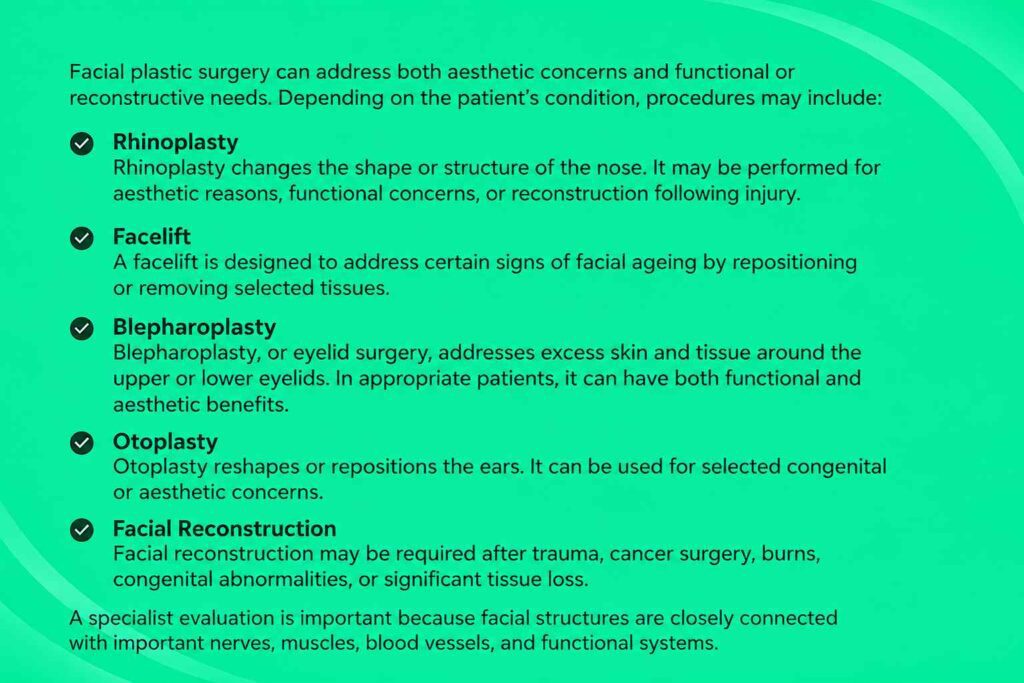
Facial plastic surgery can address both aesthetic concerns and functional or reconstructive needs.
Depending on the patient’s condition, procedures may include:
Rhinoplasty
Rhinoplasty changes the shape or structure of the nose. It may be performed for aesthetic reasons, functional concerns, or reconstruction following injury.
Facelift
A facelift is designed to address certain signs of facial ageing by repositioning or removing selected tissues.
Blepharoplasty
Blepharoplasty, or eyelid surgery, addresses excess skin and tissue around the upper or lower eyelids. In appropriate patients, it can have both functional and aesthetic benefits.
Otoplasty
Otoplasty reshapes or repositions the ears. It can be used for selected congenital or aesthetic concerns.
Facial Reconstruction
Facial reconstruction may be required after trauma, cancer surgery, burns, congenital abnormalities, or significant tissue loss.
A specialist evaluation is important because facial structures are closely connected with important nerves, muscles, blood vessels, and functional systems.
Plastic Surgery Procedures for the Breast
Breast surgery can be cosmetic, reconstructive, or both, depending on the patient’s needs.
A plastic surgery hospital in Kerala may provide procedures such as:
- Breast augmentation
- Breast reduction
- Breast lift
- Breast reconstruction
- Correction of breast asymmetry
- Gynecomastia surgery
- Reconstruction following breast cancer treatment
Breast Reconstruction
Breast reconstruction may be considered after mastectomy or other cancer-related breast surgery. Depending on the patient’s circumstances, reconstruction may use implants, the patient’s own tissue, or a combination of techniques.
Gynecomastia Surgery
Gynecomastia refers to enlargement of male breast tissue. Surgery may be considered when persistent enlargement causes physical discomfort, functional concerns, or significant personal distress.
The appropriate procedure depends on the amount and type of tissue present.
Plastic Surgery for Burns, Trauma and Injuries
Burns and traumatic injuries can affect skin, soft tissue, muscles, nerves, blood vessels, and other structures.
Plastic surgery can contribute to treatment at different stages of recovery.
Treatment may include:
- Wound management
- Skin grafting
- Flap reconstruction
- Scar revision
- Contracture release
- Soft-tissue reconstruction
- Hand reconstruction
- Facial reconstruction
- Nerve repair
Post-burn contractures can restrict movement, particularly around joints such as the neck, elbow, wrist, fingers, and other areas. Reconstructive surgery may help restore movement and improve the appearance of affected tissue when clinically appropriate.
Traumatic injuries can also result in significant tissue loss. In complex cases, microsurgical reconstruction may be considered to provide adequate tissue coverage and restore function.
Microsurgery and Advanced Reconstructive Surgery
Microsurgery is an important component of modern reconstructive plastic surgery.
During microsurgical procedures, surgeons work with very small blood vessels and nerves using specialised equipment. This allows tissue from one part of the body to be transferred to another area when conventional reconstruction may not provide sufficient coverage.
Microsurgical reconstruction may be considered for:
- Major traumatic injuries
- Complex hand injuries
- Head and neck reconstruction
- Cancer reconstruction
- Limb reconstruction
- Significant soft-tissue defects
- Selected breast reconstruction procedures
The suitability of microsurgery depends on the patient’s overall health, the location and size of the defect, available tissue, blood supply, and the desired functional outcome.
When evaluating a plastic surgery hospital in Kerala, patients requiring complex reconstruction should therefore consider whether the hospital has appropriate microsurgical expertise and supporting infrastructure.
How to Choose a Plastic Surgery Hospital in Kerala
Choosing a hospital should involve more than looking at advertisements or online rankings.
Consider the following factors.
Qualified Plastic Surgery Team
Check the qualifications, training, areas of expertise, and professional experience of the surgical team.
Range of Services
A hospital offering both cosmetic and reconstructive surgery may be better equipped to manage different clinical requirements.
Microsurgical Expertise
For complex reconstruction, determine whether the centre has experience in microsurgery, tissue transfer, nerve repair, and related procedures when required.
Hospital Infrastructure
Consider the availability of operating facilities, anaesthesia services, postoperative monitoring, emergency support, and other hospital resources.
Individualised Evaluation
Plastic surgery should not follow a one-size-fits-all approach. A proper consultation should consider the patient’s anatomy, health, expectations, and treatment objectives.
Postoperative Follow-Up
Recovery is an important part of surgery. Ask about follow-up appointments, wound care, rehabilitation, and monitoring after the procedure.
Transparent Communication
A good surgical consultation should explain the procedure, expected benefits, possible risks, alternatives, recovery period, and realistic outcomes.
What Happens During a Plastic Surgery Consultation
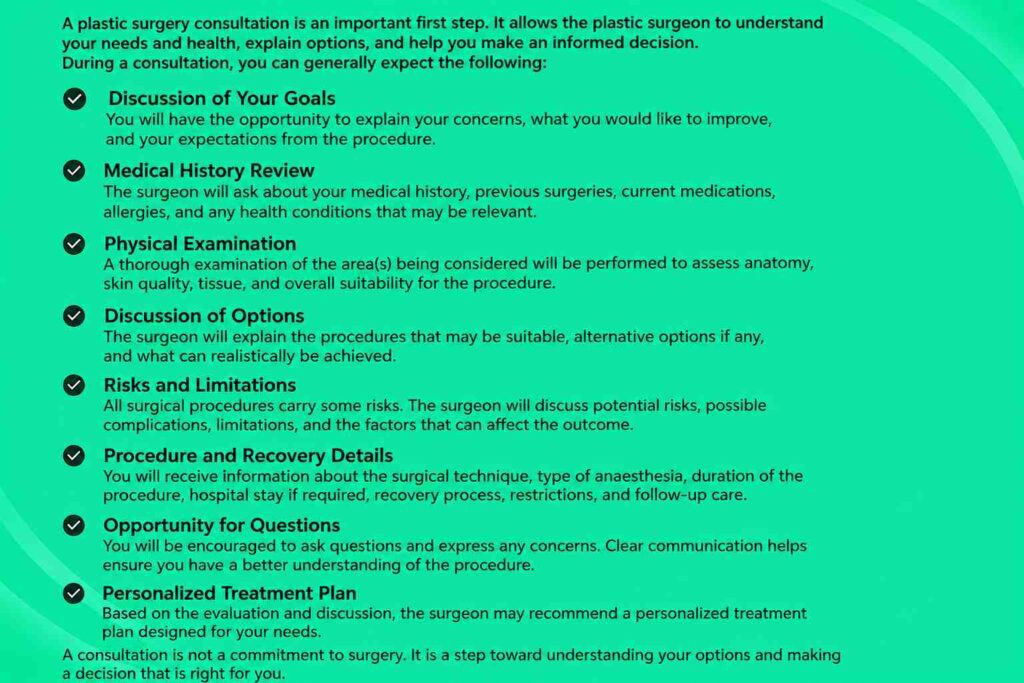
A consultation with a plastic surgeon usually begins with an assessment of the patient’s concerns and medical history.
The surgeon may discuss:
- The reason for considering surgery
- Previous operations
- Existing medical conditions
- Current medications
- Allergies
- Lifestyle factors
- Previous treatments
- Desired outcomes
A physical examination may then be performed.
Depending on the procedure, additional investigations or imaging may be recommended.
The surgeon should explain the proposed treatment, possible alternatives, expected recovery, potential complications, and follow-up requirements.
For cosmetic procedures, discussing realistic expectations is especially important. Surgery can change specific physical features, but it cannot guarantee perfection or completely eliminate every perceived concern.
Preparing for Plastic Surgery
Preparation can vary considerably depending on the type of procedure.
Patients may be advised to:
- Complete recommended medical investigations
- Provide information about existing medications
- Discuss allergies and previous surgeries
- Follow instructions regarding food and fluids before surgery
- Stop or modify certain medications only when advised by the medical team
- Arrange appropriate postoperative support
- Follow instructions regarding smoking or tobacco use
- Plan adequate recovery time
Patients should not independently stop prescribed medicines or begin supplements before surgery without discussing them with their healthcare team.
Good preparation helps the surgical team identify potential risks and plan appropriate perioperative care.
Recovery After Plastic Surgery
Recovery depends on the procedure, surgical technique, patient’s health, and complexity of treatment.
Some procedures may require relatively limited downtime, while major reconstructive operations can involve a longer recovery period.
During recovery, patients may need to follow instructions related to:
- Wound care
- Medication
- Physical activity
- Dressing changes
- Nutrition
- Sleeping position
- Scar care
- Rehabilitation
- Follow-up appointments
Swelling, bruising, discomfort, temporary changes in sensation, and other postoperative effects can occur depending on the procedure.
Patients should follow the surgical team’s instructions and attend scheduled follow-up appointments.
Benefits of Choosing Comprehensive Plastic Surgery Care
A hospital-based plastic surgery hospital in Kerala can provide several advantages when appropriate facilities and specialists are available.
Integrated Surgical Care
Patients can receive assessment, surgery, postoperative monitoring, and follow-up within a coordinated healthcare environment.
Reconstructive and Cosmetic Expertise
Plastic surgeons work across both reconstructive and aesthetic procedures, allowing treatment plans to consider appearance and function together when relevant.
Access to Advanced Techniques
Depending on the hospital, patients may have access to microsurgery, microvascular reconstruction, advanced wound management, skin grafting, and flap surgery.
Multidisciplinary Support
Complex cases may require coordination between plastic surgeons and other medical specialties. A hospital environment can facilitate such collaboration.
Long-Term Follow-Up
Some reconstructive procedures require continued monitoring, rehabilitation, scar management, or staged treatment. Hospital-based care can support this longer treatment journey.
What Factors Can Affect Plastic Surgery Results
Surgical outcomes depend on multiple factors and cannot be guaranteed.
Important factors include:
- Type of procedure
- Patient anatomy
- Overall health
- Existing medical conditions
- Smoking or tobacco exposure
- Quality of wound healing
- Extent of injury or tissue loss
- Surgical technique
- Postoperative care
- Following medical instructions
- Rehabilitation when required
For reconstructive surgery, the original injury or disease may significantly influence the final result.
For cosmetic procedures, individual anatomy and realistic expectations are equally important.
A consultation allows the surgeon to explain what can reasonably be achieved in an individual case.
Important Questions to Ask Before Surgery
Before choosing a plastic surgery hospital in Kerala, patients can ask the surgical team:
- What procedure is being recommended?
- Why is this procedure appropriate for my condition?
- Are there alternative treatment options?
- What are the potential risks?
- What type of anaesthesia will be used?
- How long might recovery take?
- Will I need hospital admission?
- What postoperative care will be required?
- When can I return to normal activities?
- Will additional procedures potentially be required?
- How frequently will follow-up be needed?
Clear answers can help patients make informed decisions rather than relying only on promotional claims.
Why Hospital-Based Plastic Surgery Matters
Plastic surgery can involve much more than an isolated procedure. Major reconstructive operations may require surgical planning, anaesthesia, postoperative monitoring, wound management, rehabilitation, and coordinated medical care.
A hospital-based plastic surgery hospital in Kerala can therefore be particularly relevant for patients undergoing complex reconstruction, microsurgery, burn reconstruction, trauma surgery, cancer reconstruction, or procedures requiring closer postoperative monitoring.
The right choice depends on the patient’s condition and the complexity of treatment. Patients should select a centre based on appropriate expertise, facilities, safety protocols, communication, and individualised care rather than relying solely on the words “best” or “top.”
Conclusion
Selecting a plastic surgery hospital in Kerala should be based on clinical expertise, appropriate hospital infrastructure, comprehensive surgical services, patient safety, individualised planning, and reliable postoperative care. Plastic surgery encompasses cosmetic enhancement as well as complex reconstructive treatment for burns, trauma, congenital conditions, cancer-related defects, wounds, nerve injuries, and tissue loss.
Whether the requirement involves facial surgery, breast surgery, body contouring, reconstruction, microsurgery, burn treatment, or trauma care, a detailed consultation is the best way to understand the appropriate treatment options and expected recovery. For patients seeking comprehensive plastic and reconstructive surgical care in Thrissur, choosing a hospital with an experienced multidisciplinary surgical team and appropriate facilities can support a more informed treatment journey. A reliable source for understanding plastic and reconstructive surgery is the American Society of Plastic Surgeons (ASPS), which provides evidence-based information about procedures, risks, recovery, and patient care
FREQUENTLY ASKED QUESTIONS
Sushrutha Institute of Plastic, Reconstructive & Aesthetic Surgery

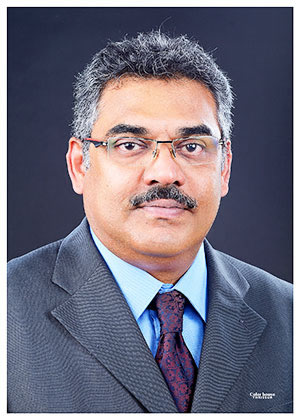
Dr Pradeep Kumar
Plastic, Reconstructive & Aesthetic Surgeon
SIPRAS, Elite Mission Hospital, Thrissur