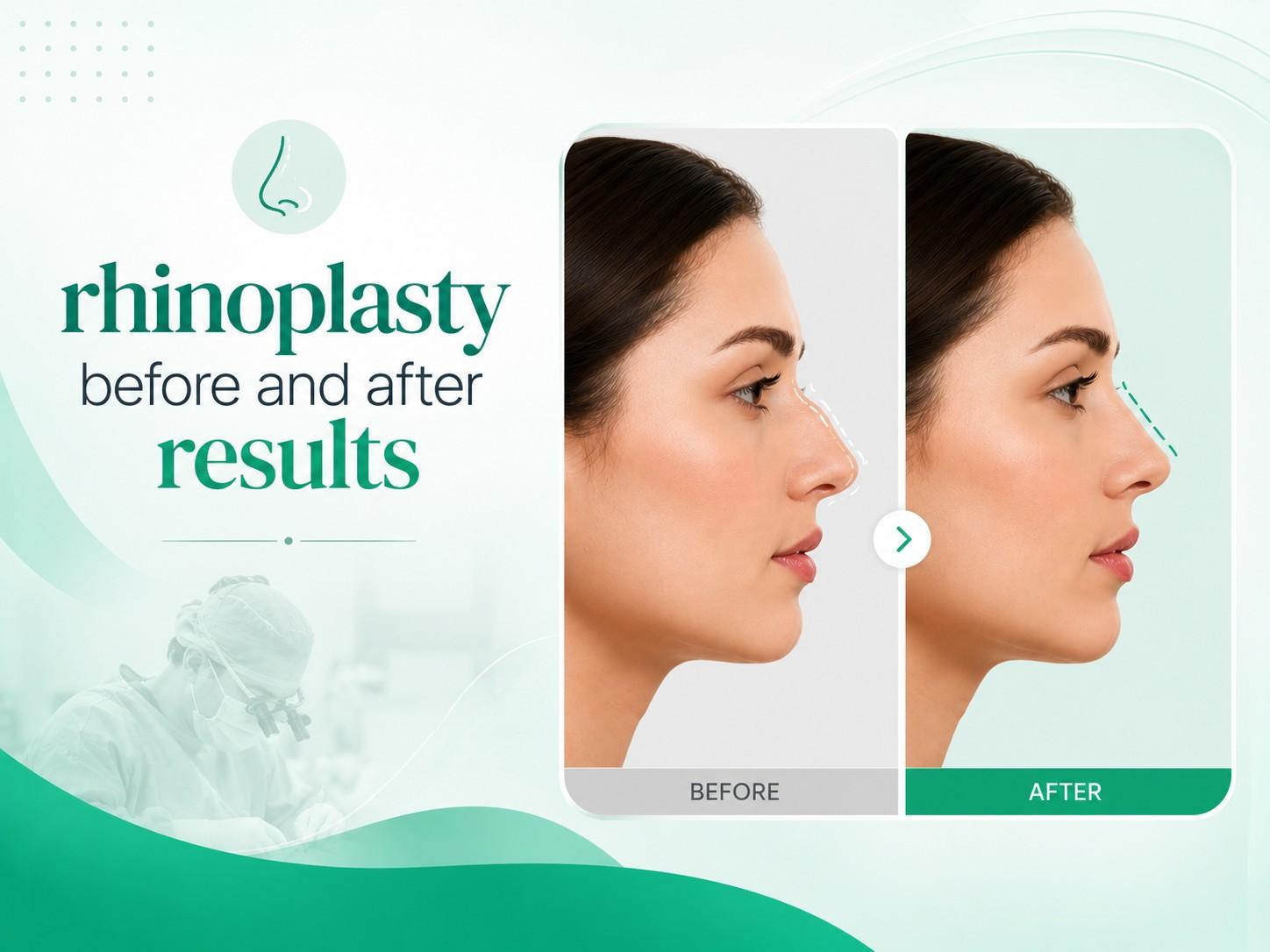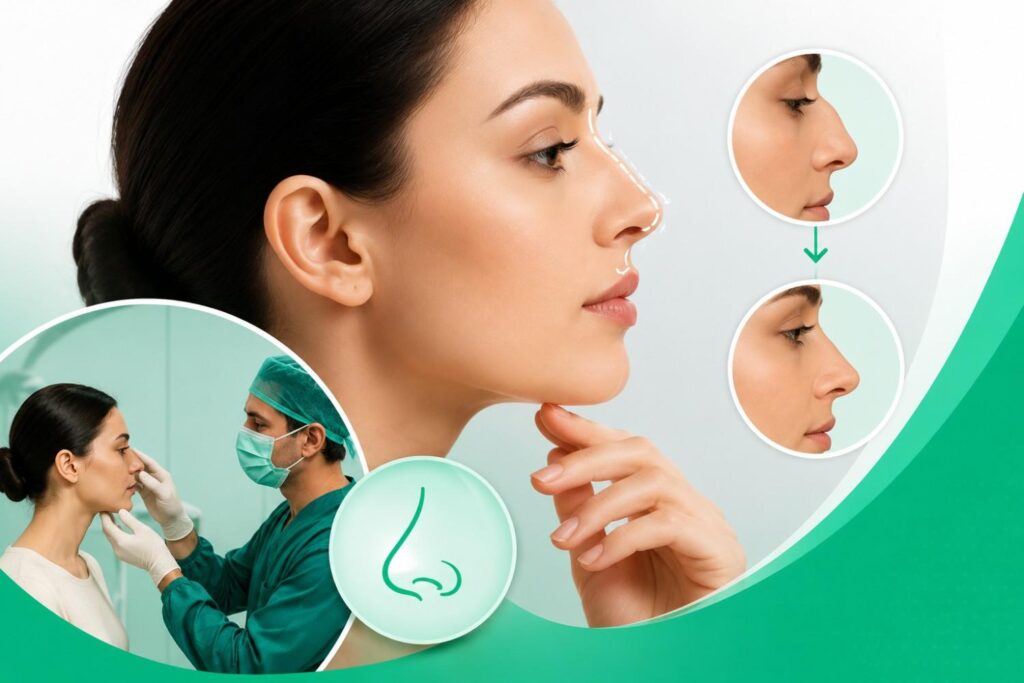
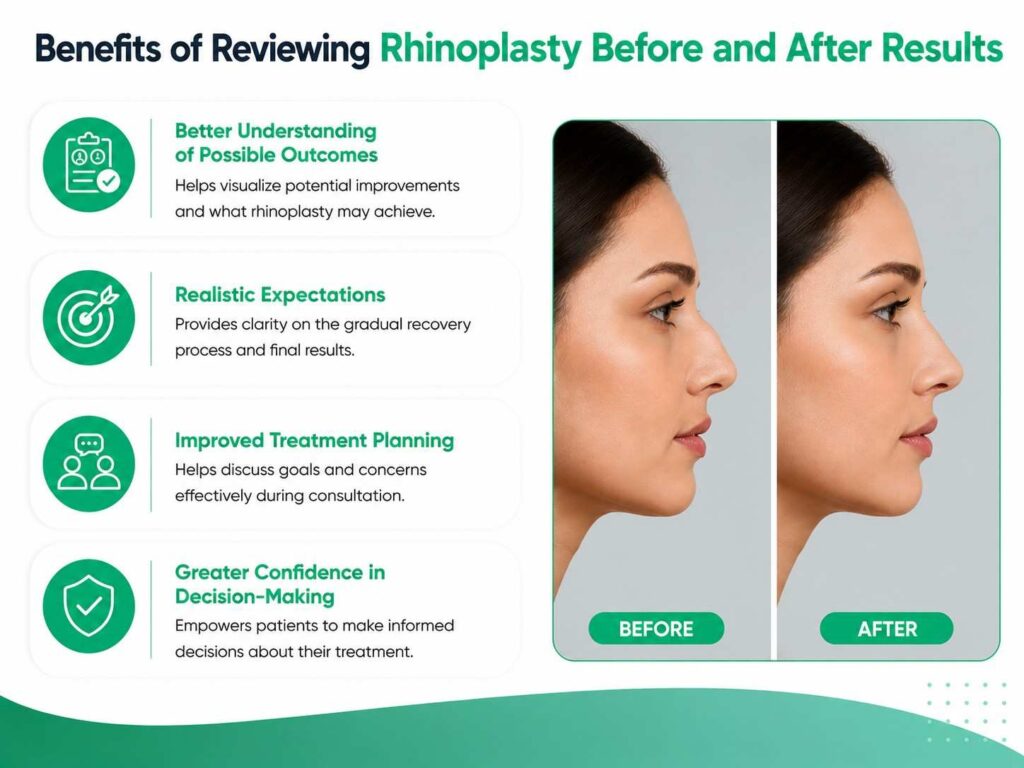
Rhinoplasty is one of the most commonly performed facial cosmetic procedures for individuals seeking to improve the shape, proportion, or overall appearance of the nose. When researching treatment options, many people look for rhinoplasty before and after results to understand the potential changes and set realistic expectations.
Every rhinoplasty procedure is unique because each person’s facial structure, nasal anatomy, and aesthetic goals are different. The purpose of surgery is not to create a one-size-fits-all nose but to achieve a balanced appearance that complements the rest of the facial features. Understanding Rhinoplasty Surgery in Kerala can help patients make informed decisions about treatment and recovery.
What Do Rhinoplasty Before and After Results Show?
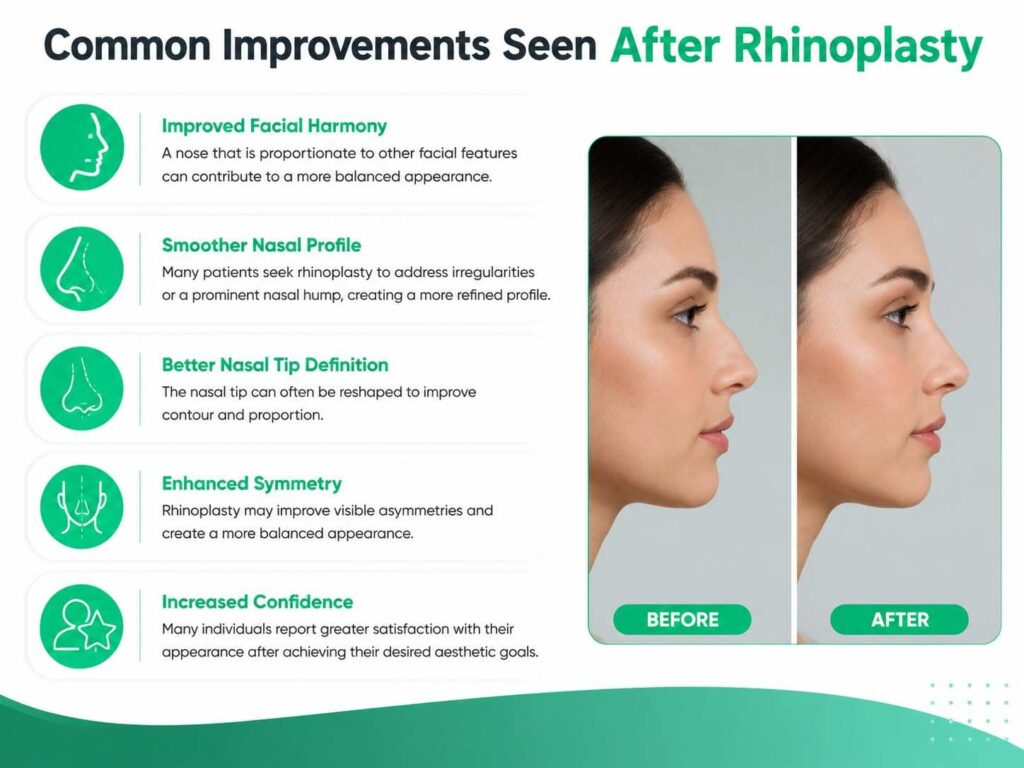
Before and after results help patients understand the types of improvements that may be possible through rhinoplasty. While individual outcomes vary, common aesthetic changes may include:
- Refinement of the nasal bridge
- Reduction of a prominent nasal hump
- Improved nasal symmetry
- Reshaping of the nasal tip
- Better facial balance and proportion
- Enhanced nasal contours
The extent of these changes depends on the patient’s existing nasal structure and the treatment goals established during consultation.
Factors That Influence Rhinoplasty Results
Several factors contribute to the final appearance after rhinoplasty.
Nasal Anatomy
The size, shape, and structural characteristics of the nose influence the type and extent of correction that can be achieved.
Skin Thickness
Skin thickness can affect how visible certain refinements appear after surgery. This is an important consideration during treatment planning.
Individual Treatment Goals
Some patients prefer subtle changes, while others seek more noticeable refinement. Surgical planning is tailored to individual expectations and facial features.
Healing Response
Every person heals differently. Swelling, tissue adaptation, and recovery timelines can influence how quickly final results become visible.
The Rhinoplasty Recovery Process
Understanding the healing journey is essential when evaluating rhinoplasty before and after results.
During the First Week
- Swelling and bruising are typically most noticeable.
- A splint or protective dressing may be placed on the nose.
- Patients are advised to follow post-operative instructions carefully.
During the First Month
- A significant portion of swelling gradually subsides.
- Early improvements become more apparent.
- Daily activities are often resumed according to medical guidance.
Over the Following Months
- Residual swelling continues to decrease.
- Nasal contours become progressively more refined.
- The appearance of the nose gradually settles.
Long-Term Outcome
Final rhinoplasty results may take several months to fully develop as healing and tissue remodeling continue.
Setting Realistic Expectations for Rhinoplasty
While before and after photographs can provide helpful examples, it is important to remember that every patient achieves unique results. Factors such as facial anatomy, skin characteristics, and healing patterns influence the final outcome.
A detailed consultation helps establish realistic expectations and allows for a personalized treatment plan that aligns with the individual’s concerns and goals.
Who May Consider Rhinoplasty?
Rhinoplasty may be suitable for individuals who wish to:
- Improve the appearance of their nose
- Address concerns about nasal shape or proportion
- Refine the nasal bridge or tip
- Improve facial balance
- Explore cosmetic facial enhancement options
A professional evaluation is necessary to determine whether rhinoplasty is an appropriate treatment option.
Conclusion
Rhinoplasty before and after results provide valuable insight into the transformative potential of nose reshaping surgery. While outcomes vary from person to person, the primary objective is to create a nose that enhances facial harmony while maintaining a natural appearance. Factors such as nasal anatomy, skin characteristics, treatment goals, and healing patterns all play an important role in the final result. Understanding the recovery process and maintaining realistic expectations can help patients feel more confident throughout their surgical journey. A comprehensive consultation with an experienced plastic surgeon remains the best way to determine the most suitable approach for achieving individual aesthetic goals.
Learn more about rhinoplasty procedures at American Society of Plastic Surgeons Rhinoplasty Information.
Frequently Asked Questins
While initial improvements may be visible within a few weeks, final results typically become more apparent as swelling continues to resolve over several months.
The structural changes made during rhinoplasty are generally intended to be long-lasting. However, natural aging processes will continue throughout life.
Swelling is a normal part of the healing process and gradually decreases over time as the tissues recover.
Modern rhinoplasty techniques aim to create results that complement the patient’s facial features and maintain a natural appearance.
No. Every patient’s anatomy, skin quality, healing response, and treatment goals are unique, resulting in individualized outcomes.
Yes. By reshaping the nose, rhinoplasty can help create better balance and harmony among facial features.
Factors such as nasal structure, skin thickness, healing patterns, surgical technique, and post-operative care can all influence outcomes.
Rhinoplasty is commonly performed to address concerns such as a prominent nasal hump and improve the nasal profile when appropriate.
Recovery timelines vary between individuals. Patients should follow the guidance provided by their surgeon regarding activity restrictions and recovery milestones.
Realistic expectations help patients better understand the achievable outcomes of surgery and contribute to greater satisfaction with the final results.
Sushrutha Institute of Plastic, Reconstructive & Aesthetic Surgery
Dr Pradeep Kumar
Plastic, Reconstructive & Aesthetic Surgeon
SIPRAS, Elite Mission Hospital, Thrissur