Rhinoplasty is a surgical procedure performed to improve the appearance, structure, or function of the nose. While the procedure itself is important, recovery plays a major role in achieving the desired outcome. Understanding the healing process can help patients prepare for surgery and set realistic expectations about their results.
Rhinoplasty recovery time varies from person to person depending on the complexity of the procedure, individual healing response, and adherence to post-operative instructions. While many patients return to routine activities within a few weeks, complete healing and final refinement of the nose can take several months. Understanding rhinoplasty recovery time helps patients navigate each stage of recovery with greater confidence.
Table of Contents
- What Is Rhinoplasty Recovery Time?
- Why Rhinoplasty Recovery Time Matters
- Factors That Affect Recovery Duration
- Recovery During the First Week
- Recovery During Weeks Two to Four
- Recovery During the First Three Months
- Managing Swelling and Bruising
- Activity Restrictions During Recovery
- Follow-Up Appointments and Healing Progress
- Tips for a Smooth Recovery
- When Will Final Results Be Visible?
- Best Practices for Rhinoplasty Recovery
- Conclusion
- Frequently Asked Questions
What Is Rhinoplasty Recovery Time?
Rhinoplasty recovery time refers to the healing period following nose reshaping surgery.
The recovery process generally includes:
- Initial healing
- Swelling reduction
- Tissue stabilization
- Nasal contour refinement
- Gradual return to normal activities
- Long-term healing
Although early improvements become visible within weeks, subtle changes may continue as healing progresses.
Why Rhinoplasty Recovery Time Matters
Understanding recovery helps patients prepare for the healing process and maintain realistic expectations.
Benefits of understanding recovery include:
- Better treatment planning
- Improved compliance with instructions
- Reduced recovery-related anxiety
- More predictable healing
- Enhanced surgical outcomes
- Improved patient satisfaction
Proper recovery is essential for achieving optimal rhinoplasty results.
Recovery During the First Week
The first week is typically the most noticeable phase of recovery.
Patients may experience:
- Swelling
- Bruising around the eyes
- Nasal congestion
- Mild discomfort
- Temporary breathing difficulty
Nasal Splint Care
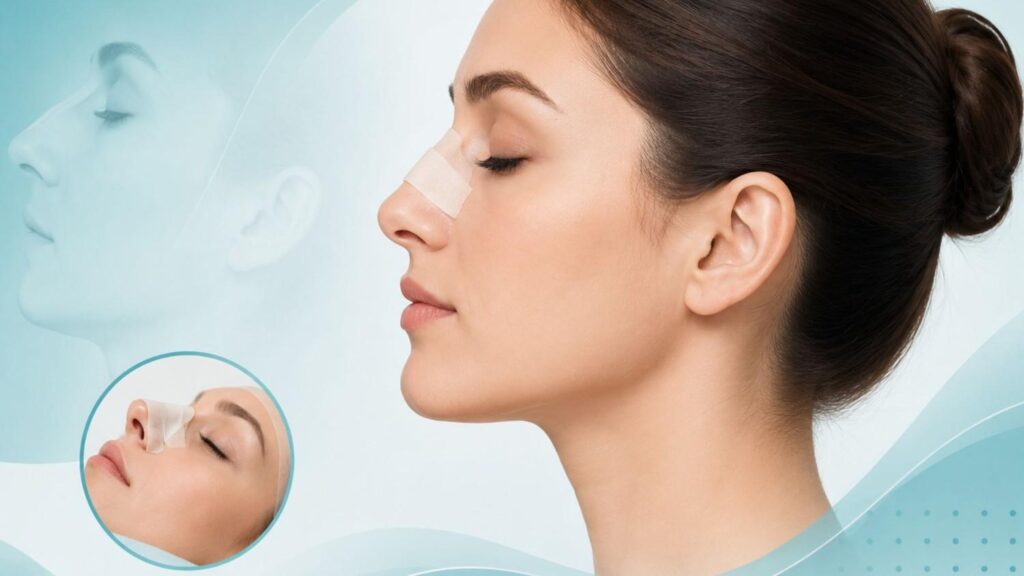
A nasal splint is commonly worn during the initial healing phase to support the new nasal structure.
Rest and Recovery
Patients are encouraged to:
- Get adequate rest
- Stay hydrated
- Follow medication instructions
- Avoid unnecessary physical activity
Most patients begin noticing gradual improvement during the first week.
Recovery During Weeks Two to Four
Significant improvements often occur during this period.
Common changes include:
- Reduced bruising
- Decreased swelling
- Improved comfort
- Better breathing function
Returning to Daily Activities
Many patients gradually resume:
- Office work
- Light household activities
- Social engagements
- Daily routines
Strenuous exercise should still be limited unless approved by the surgeon.
Recovery During the First Three Months
Although much of the visible healing occurs early, recovery continues beyond the first few weeks.
Ongoing Swelling Reduction
Residual swelling gradually decreases over time.
Improved Nasal Definition
The nose begins to take on a more refined appearance as tissues settle.
Progressive Healing
Patients often notice continued improvements in:
- Nasal contour
- Symmetry
- Tip definition
- Overall facial harmony
Healing remains an ongoing process during this stage.
Managing Swelling and Bruising
Swelling is a normal part of rhinoplasty recovery time.
Head Elevation
Keeping the head elevated may help reduce swelling.
Cold Compresses
When recommended by the surgeon, cold compresses may provide temporary relief during the early recovery period.
Healthy Recovery Habits
Helpful practices include:
- Staying hydrated
- Following dietary recommendations
- Getting sufficient rest
- Avoiding smoking
Most swelling improves gradually over several weeks.
Activity Restrictions During Recovery
Following activity restrictions is important to protect healing tissues.
Avoid Heavy Exercise
Intense workouts may increase swelling and delay healing.
Protect the Nose
Patients should avoid:
- Rubbing the nose
- Wearing heavy eyewear if advised
- Contact sports
- Activities that risk nasal injury
Gradual Return to Exercise
Physical activity should be resumed according to professional guidance.
Follow-Up Appointments and Healing Progress
Regular follow-up appointments allow the surgical team to monitor recovery.
During follow-ups, the surgeon may evaluate:
- Healing progress
- Swelling levels
- Nasal alignment
- Functional improvements
- Overall recovery
Benefits of Follow-Up Care
- Early detection of concerns
- Professional recovery guidance
- Monitoring of surgical outcomes
- Individualized recommendations
Consistent follow-up care supports optimal healing.
Tips for a Smooth Recovery
Several habits can support a comfortable recovery experience.
Recommended practices include:
- Following all post-operative instructions
- Attending follow-up visits
- Maintaining adequate hydration
- Getting sufficient rest
- Avoiding smoking and alcohol
- Protecting the nose from injury
Recovery Preparation
Planning ahead before surgery can make recovery more manageable and less stressful.
When Will Final Results Be Visible?
Many patients notice early improvements within a few weeks. While early improvements become visible within weeks, final refinement may take several months. Individuals interested in learning more about the procedure itself can explore our advanced rhinoplasty surgery services in Kerala for detailed information on treatment options and surgical planning.
Early Results
As swelling decreases, the nose begins to reveal its new shape.
Long-Term Refinement
Final results often continue developing over several months as tissues fully heal.
Patients considering a comprehensive rhinoplasty procedure in Kerala should understand that healing continues well beyond the initial recovery period.
Best Practices for Rhinoplasty Recovery
A successful recovery requires patience and commitment.
Best practices include:
- Follow all surgeon recommendations
- Maintain realistic expectations
- Prioritize rest and hydration
- Attend scheduled follow-ups
- Avoid activities that may impact healing
- Allow adequate time for recovery
A structured recovery approach can help maximize both cosmetic and functional outcomes.
Conclusion
Understanding rhinoplasty recovery time helps patients prepare for each stage of healing and approach surgery with realistic expectations. While the recovery process varies among individuals, following post-operative instructions and allowing sufficient healing time are essential for achieving the best possible outcome.
Patients considering rhinoplasty should recognize that recovery is an important part of the overall treatment journey. Proper planning, experienced surgical care, and commitment to aftercare contribute significantly to successful results.
For additional information about rhinoplasty procedures and recovery, visit the American Society of Plastic Surgeons.
Frequently Asked Questions
Many patients gradually return to routine activities within one to two weeks, depending on their recovery progress.
Rhinoplasty recovery time refers to the healing period following nose reshaping surgery, including swelling reduction and tissue healing.
Proper recovery supports healing, protects surgical results, and helps achieve optimal cosmetic and functional outcomes.
Initial recovery often occurs within a few weeks, while complete healing and final refinement may take several months.
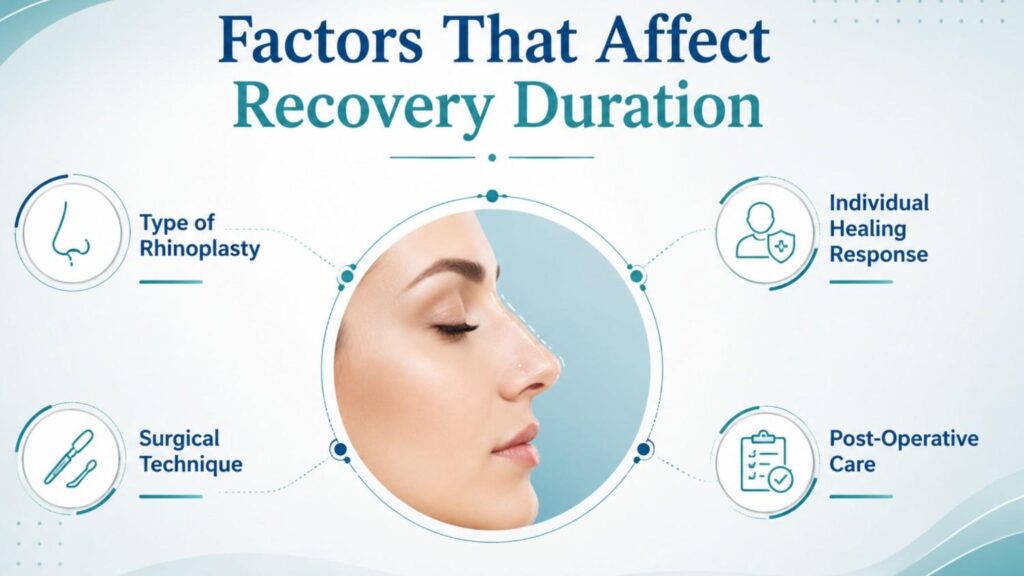
Recovery depends on the surgical technique, procedure complexity, individual healing response, and adherence to recovery instructions.
Yes. Swelling is a normal part of the healing process and gradually improves over time.
Exercise should only be resumed according to your surgeon’s recommendations and recovery progress.
Although early improvements appear within weeks, final results may continue developing over several months.
Common mistakes include overexertion, smoking, missing follow-up appointments, and failing to protect the nose during healing.
Yes. Functional rhinoplasty may improve breathing while also addressing cosmetic concerns depending on the treatment plan.
Sushrutha Institute of Plastic, Reconstructive & Aesthetic Surgery
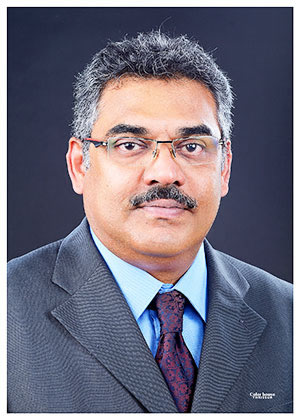
Dr Pradeep Kumar
Plastic, Reconstructive & Aesthetic Surgeon
SIPRAS, Elite Mission Hospital, Thrissur