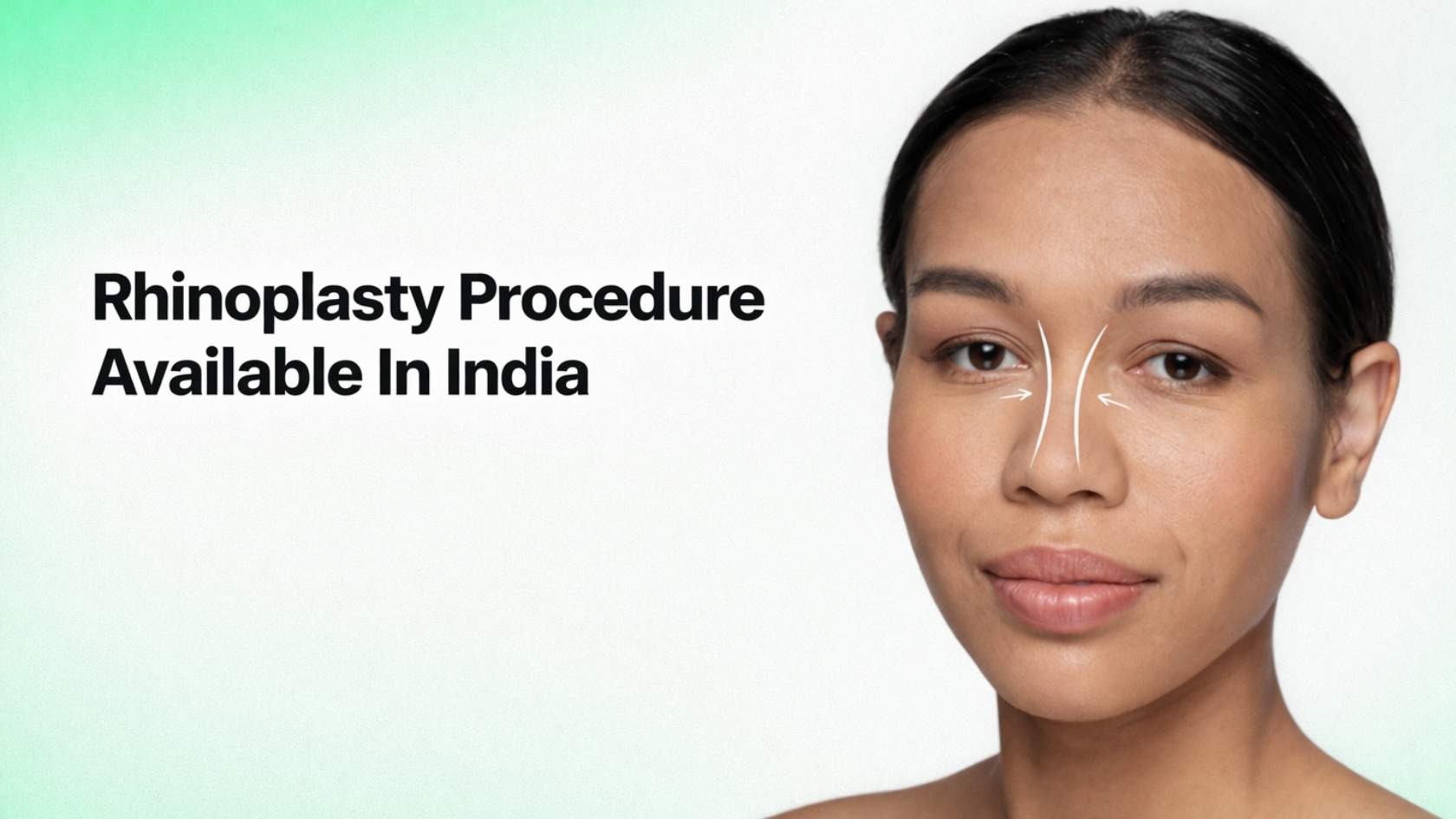
Rhinoplasty Procedure Available in India is one of the most sought-after cosmetic and functional surgical treatments for individuals who want to improve the shape, size, or function of their nose. Rhinoplasty, commonly known as nose reshaping surgery, enhances facial harmony while also correcting breathing problems caused by structural abnormalities. By reshaping bone, cartilage, and soft tissue, this procedure can significantly boost confidence and overall quality of life for suitable candidates in India.
What Is Rhinoplasty?
Rhinoplasty is a surgical procedure that changes the shape, size, or proportions of the nose. It may involve modifying the nasal bones, cartilage, skin, or a combination of these structures. The primary goal is to create a nose that looks natural and balanced with the rest of the face while preserving or improving nasal function.
People seek rhinoplasty for cosmetic concerns such as a hump, wide bridge, drooping tip, or asymmetry, as well as medical reasons like breathing difficulties caused by internal structural abnormalities.
Types of Rhinoplasty Procedures
Cosmetic Rhinoplasty
Cosmetic rhinoplasty focuses on improving the external appearance of the nose. It can address:
- Large or disproportionate nose
- Wide or narrow bridge
- Bulbous or drooping tip
- Crooked or asymmetrical nose
- Prominent dorsal hump
- Wide or flared nostrils
The objective is to achieve a balanced, natural-looking result that complements facial features.
Functional Rhinoplasty
Functional rhinoplasty corrects structural issues that interfere with breathing. Conditions treated include:
- Deviated septum
- Nasal valve collapse
- Congenital defects
- Trauma-related deformities
Many patients undergo combined cosmetic and functional rhinoplasty to improve both appearance and airflow.
Revision Rhinoplasty
Revision rhinoplasty is performed to correct or enhance the results of a previous nose surgery. Because of scar tissue and altered anatomy, this procedure is more complex and requires specialized surgical expertise.
Non-Surgical Rhinoplasty
Also called liquid rhinoplasty, this technique uses dermal fillers to temporarily reshape the nose. It can smooth minor irregularities or improve symmetry but cannot reduce nose size or correct breathing problems. Results are temporary and typically last several months to a year.
Who Is a Good Candidate?
Suitable candidates for rhinoplasty generally include individuals who:
- Are in good overall health
- Have realistic expectations
- Have completed facial growth
- Are dissatisfied with the shape or function of their nose
- Do not smoke or can stop before surgery
- Have no uncontrolled medical conditions
A thorough evaluation determines whether the procedure is appropriate.
Pre-Procedure Preparation
Proper preparation is essential for safety and optimal outcomes.
Medical Evaluation
Before surgery, a detailed assessment is conducted, which may include:
- Physical examination of the nose
- Facial analysis
- Medical history review
- Preoperative photographs
- Discussion of medications and allergies
Lifestyle Preparation
Patients are usually advised to:
- Avoid blood-thinning medications and supplements
- Stop smoking several weeks before surgery
- Maintain a stable weight
- Arrange transportation and assistance after surgery
Planning Desired Outcomes
Clear communication about goals is crucial. Imaging tools may be used to simulate expected results and ensure alignment between patient expectations and surgical possibilities.
Rhinoplasty Surgical Techniques
Open Rhinoplasty
In this technique, a small incision is made across the columella, the strip of tissue between the nostrils. This allows the surgeon full visibility of nasal structures.
Advantages:
- Greater precision
- Ideal for complex reshaping
- Better access to cartilage and bone
Considerations:
- Small external scar that usually fades
- Slightly longer recovery period
Closed Rhinoplasty
Closed rhinoplasty involves incisions made entirely inside the nostrils.
Advantages:
- No visible external scars
- Reduced swelling
- Faster recovery
Considerations:
- Limited visibility for complex changes
- Best suited for minor to moderate corrections
Step-by-Step Procedure
- Anesthesia: General anesthesia or local anesthesia with sedation is administered.
- Incision Placement: Incisions are made according to the chosen technique.
- Reshaping: Bone and cartilage are sculpted to achieve the desired contour.
- Septal Correction: Structural issues affecting breathing may be addressed.
- Support and Refinement: Cartilage grafts may be used if needed.
- Closure and Protection: Incisions are closed, and splints are applied.
The surgery typically lasts between one and three hours.
Recovery After Rhinoplasty
Immediate Recovery
Patients may experience:
- Swelling and bruising around the eyes
- Nasal congestion
- Mild discomfort
- Temporary numbness
These symptoms gradually improve with proper care.
First Week
- External splint is removed after about one week
- Bruising begins to fade
- Light activities can resume
Weeks 2–4
- Swelling continues to decrease
- Breathing improves
- Strenuous activities should still be avoided
Long-Term Healing
- Most swelling subsides within a few months
- Final results appear gradually over 6–12 months
- Nasal tip refinement may take longer
Benefits of Rhinoplasty
Aesthetic Benefits
- Enhanced facial symmetry
- Balanced profile
- Improved appearance from multiple angles
- Increased self-confidence
Functional Benefits
- Improved nasal airflow
- Relief from chronic obstruction
- Better sleep quality
- Reduced mouth breathing
Risks and Possible Complications
Although rhinoplasty is generally safe, potential risks include:
- Infection
- Bleeding
- Scarring
- Asymmetry
- Persistent swelling
- Changes in skin sensation
- Breathing difficulties
- Need for revision surgery
Following medical advice before and after surgery helps minimize these risks.
Results and Longevity
Rhinoplasty results are typically permanent. Once healing is complete, the reshaped nose maintains its form, although natural aging continues to affect facial tissues over time.
Subtle improvements may continue for months as residual swelling disappears, revealing a refined and natural appearance.
Psychological and Confidence Benefits
Many individuals experience a significant boost in self-esteem after rhinoplasty. Addressing long-standing concerns about nasal appearance or breathing can positively influence social interactions, professional life, and emotional well-being.
Realistic expectations and emotional readiness are key factors for satisfaction.
Post-Procedure Care Guidelines
Proper aftercare ensures smooth healing and optimal results:
- Sleep with the head elevated
- Avoid blowing the nose for several weeks
- Protect the nose from accidental impact
- Avoid heavy physical activity initially
- Limit sun exposure during early healing
- Follow prescribed medications carefully
Temporary restrictions on wearing glasses may also be necessary.
Functional Improvements After Surgery
For individuals undergoing rhinoplasty to correct breathing issues, benefits may include:
- Reduced nasal blockage
- Easier airflow through the nostrils
- Decreased snoring in some cases
- Relief from chronic mouth breathing
These improvements can enhance daily comfort and overall health.
Combining Rhinoplasty With Other Procedures
In some situations, rhinoplasty may be performed alongside other facial procedures to improve overall harmony. Combining treatments can provide balanced results while requiring only one recovery period.
Natural-Looking Outcomes
Modern rhinoplasty techniques emphasize subtle enhancement rather than dramatic change. The goal is to preserve individual identity while improving proportions and symmetry.
A successful rhinoplasty should look natural and complement the face rather than appear artificial.
Long-Term Satisfaction
When performed with careful planning and realistic expectations, rhinoplasty has high satisfaction rates. Many individuals find that the improvements extend beyond appearance, enhancing comfort, confidence, and quality of life for years to come. The demand for Rhinoplasty Procedure Available in India continues to grow due to advanced techniques and reliable long-term results.
Frequently Asked Questions
Rhinoplasty is a surgical procedure that reshapes the nose to improve its appearance, function, or both. It can correct size, shape, symmetry, and breathing issues caused by structural problems.
An ideal candidate is someone in good overall health, with realistic expectations, fully developed facial bones, and concerns about the shape or function of their nose.
The procedure typically takes between 1 to 3 hours, depending on the complexity of the changes required.
Discomfort is usually mild to moderate. Pain is generally well controlled with prescribed medications, and most patients describe the sensation as pressure rather than sharp pain.
Most people return to normal daily activities within 1 to 2 weeks. However, complete healing and final results may take several months to a year.
Closed rhinoplasty leaves no visible scars because incisions are inside the nose. Open rhinoplasty may leave a tiny scar at the base of the nose, which typically fades over time.
Yes, functional rhinoplasty can correct structural issues such as a deviated septum or nasal valve collapse, significantly improving airflow.
Yes, rhinoplasty results are long-lasting. Once healing is complete, the new shape of the nose generally remains stable for life.
Initial improvements are visible within a few weeks, but the final refined shape may take 6 to 12 months as swelling fully subsides.
Like any surgery, rhinoplasty carries risks such as infection, bleeding, swelling, asymmetry, or the need for revision surgery, though serious complications are uncommon.
Sushrutha Institute of Plastic, Reconstructive & Aesthetic Surgery


Dr Pradeep Kumar
Plastic, Reconstructive & Aesthetic Surgeon
SIPRAS, Elite Mission Hospital, Thrissur