
Choosing a rhinoplasty surgery hospital in Kerala is an important step for individuals considering nasal reshaping or functional correction procedures. Rhinoplasty, commonly known as nose surgery, is performed to improve the shape, size, or function of the nose while maintaining facial balance. For individuals exploring treatment options in Kerala, understanding how a hospital-based approach supports evaluation, surgery, and recovery can help in making informed decisions.
A rhinoplasty procedure may be considered for both aesthetic and functional reasons. Some individuals seek improvement in nasal shape, while others may require correction for breathing difficulties or structural irregularities. A specialized hospital ensures that every stage of the procedure is handled with proper medical care, precision, and safety.
Understanding Rhinoplasty Surgery
Rhinoplasty is a surgical procedure that modifies the structure of the nose. It may involve reshaping bone, cartilage, or soft tissues to achieve the desired outcome.
The procedure may help:
Improve nasal shape and proportion
Enhance facial harmony
Correct structural irregularities
Support better nasal airflow in functional cases
The approach is personalized, as nasal anatomy differs from person to person.
Why Choose a Rhinoplasty Surgery Hospital
A hospital setting provides a structured environment for performing rhinoplasty safely and effectively. Since the procedure involves delicate facial structures, precision and careful planning are essential.
A rhinoplasty hospital typically offers:
Detailed preoperative evaluation
Advanced surgical infrastructure
Sterile operating conditions
Monitoring during surgery
Structured postoperative care
This comprehensive care approach supports both safety and recovery.
Types of Rhinoplasty Procedures
Different types of rhinoplasty procedures may be considered depending on individual concerns.
Cosmetic Rhinoplasty
This procedure focuses on improving the appearance of the nose, including shape, size, or symmetry.
Functional Rhinoplasty
Functional rhinoplasty is performed to improve breathing by correcting structural issues such as a deviated nasal septum.
Revision Rhinoplasty
Revision rhinoplasty may be considered when further correction is required after a previous nasal surgery.
Reconstructive Rhinoplasty
This procedure is used to restore nasal structure after trauma, injury, or medical conditions.
The type of procedure is determined after a detailed evaluation.
Who May Consider Rhinoplasty
Rhinoplasty may be considered by individuals who have concerns related to nasal appearance or function.
Common reasons include:
Nasal shape irregularities
Breathing difficulties
Nasal asymmetry
Injury-related deformities
Desire for improved facial balance
Suitability depends on individual health, nasal anatomy, and expectations.
Importance of Preoperative Evaluation
Before rhinoplasty surgery, a comprehensive evaluation is conducted to determine suitability and plan the procedure.
Evaluation may include:
Medical history review
Physical examination of nasal structure
Assessment of breathing function
Analysis of facial proportions
Discussion of treatment goals
This stage helps create a personalized surgical plan.
Personalized Treatment Planning
Rhinoplasty requires careful planning to ensure natural-looking results. The goal is to enhance the nose while maintaining overall facial harmony.
Planning may involve:
Identifying areas for reshaping
Evaluating cartilage and bone structure
Mapping surgical techniques
Setting realistic expectations
Customized planning plays a key role in achieving balanced outcomes.
Surgical Procedure Overview
Rhinoplasty is performed in a controlled operating environment using advanced surgical techniques.
The procedure generally includes:
Administration of anesthesia
Creation of precise incisions
Reshaping of nasal bone and cartilage
Adjustment of internal structures if required
Closure and postoperative support
The duration of surgery depends on the complexity of the case.
Recovery After Rhinoplasty
Recovery varies from person to person, but most individuals experience temporary swelling and mild discomfort during the early healing phase.
Recovery stages may include:
Initial Recovery
Swelling and mild bruising may occur during the first few days.
Gradual Healing
Swelling reduces gradually as tissues heal.
Final Results
The shape of the nose becomes more refined over time as healing progresses.
Following postoperative instructions helps support smooth recovery.
Possible Risks and Considerations
As with any surgical procedure, rhinoplasty may involve certain risks.
Possible considerations include:
Swelling and bruising
Temporary nasal congestion
Infection risk
Scarring (minimal in most cases)
Healing variability
Proper surgical planning and care help reduce these risks.
Maintaining Rhinoplasty Results
Rhinoplasty results are generally long-lasting. Once the nasal structure is reshaped, the changes remain stable over time.
Maintaining overall facial health and avoiding trauma to the nose can help preserve results.
Importance of Choosing a Specialized Hospital
Selecting a specialized rhinoplasty surgery hospital ensures that the procedure is performed with precision and supported by proper medical care.
A well-equipped hospital provides:
Advanced surgical technology
Experienced surgical teams
Structured evaluation and planning
Sterile operating environment
Postoperative monitoring and follow-up
These factors contribute to safe and effective outcomes.
Emotional and Psychological Considerations
Facial features play an important role in self-image. Many individuals consider rhinoplasty to improve facial balance and confidence.
Understanding the procedure and setting realistic expectations helps individuals feel prepared for the surgical journey.
Long-Term Outlook
Rhinoplasty can provide lasting improvements in nasal shape and function. Results develop gradually as swelling resolves and tissues settle.
With proper care and healing, individuals can achieve natural and balanced outcomes.
Final Overview
A rhinoplasty surgery hospital in Kerala provides specialized care for individuals seeking nasal reshaping or functional correction. With proper evaluation, advanced surgical techniques, and structured recovery support, rhinoplasty can improve both appearance and nasal function.
Understanding the procedure, recovery process, and treatment planning helps individuals make informed decisions. For those exploring rhinoplasty surgery in Kerala, choosing a specialized hospital ensures a safe, structured, and patient-focused approach to nasal surgery.
Frequently Asked Questions
Rhinoplasty is a surgical procedure performed to reshape the nose or improve its function while maintaining facial balance.
Individuals with nasal shape concerns, breathing difficulties, or injury-related deformities may consider rhinoplasty after proper evaluation.
Common types include cosmetic rhinoplasty, functional rhinoplasty, revision rhinoplasty, and reconstructive rhinoplasty.
No, rhinoplasty can also be performed to correct functional issues such as breathing problems.
The duration varies depending on the complexity of the procedure but typically takes a few hours.
Initial recovery may take a few weeks, while final results develop gradually over several months.
In most cases, incisions are placed inside the nose or in discreet areas, making visible scarring minimal.
Yes, the structural changes made during rhinoplasty are generally long-lasting.
Possible risks include swelling, bruising, infection, and temporary nasal congestion, which vary between individuals.
A detailed consultation and nasal assessment help determine whether rhinoplasty is appropriate for your needs.
Sushrutha Institute of Plastic, Reconstructive & Aesthetic Surgery

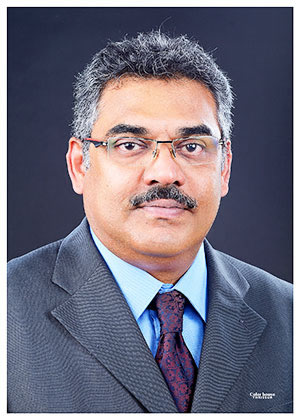
Dr Pradeep Kumar
Plastic, Reconstructive & Aesthetic Surgeon
SIPRAS, Elite Mission Hospital, Thrissur