
High Definition Liposuction Surgery is an advanced body contouring procedure designed to enhance natural muscle definition and improve overall body shape. For individuals seeking reliable medical information in Kerala, understanding this procedure helps set realistic expectations about body contouring, surgical planning, and recovery. High definition liposuction focuses on precise fat removal and sculpting rather than simple volume reduction, making it different from traditional liposuction approaches.
This procedure aims to highlight the natural anatomical contours of the body by removing localized fat deposits around muscles. It is commonly considered by individuals who maintain a stable weight but want improved body definition that may not be achievable through diet and exercise alone.
1. Understanding High Definition Liposuction Surgery
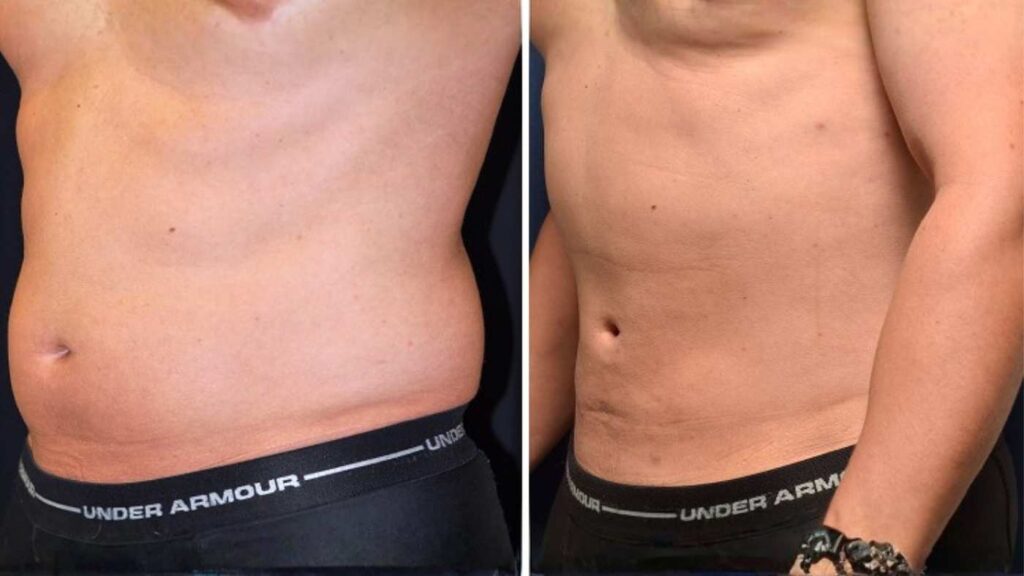
High definition liposuction is a refined form of liposuction that focuses on sculpting rather than just fat removal. The technique is used to enhance the visibility of muscle contours, especially in areas such as the abdomen, chest, arms, back, and thighs.
Unlike conventional liposuction, which primarily reduces fat volume, high definition liposuction reshapes targeted areas to create a more athletic and defined appearance. The procedure involves careful planning, precise fat extraction, and contouring techniques to support balanced and natural results.
2. How High Definition Liposuction Differs From Traditional Liposuction
Traditional liposuction is mainly aimed at removing excess fat from specific areas. High definition liposuction, however, involves more detailed sculpting.
Key differences include:
Focus on muscle definition and contouring
Precision fat removal around anatomical landmarks
Greater emphasis on symmetry
Individualized surgical planning
Advanced techniques and instruments
The goal is not simply to reduce fat but to enhance the body’s natural structure.
3. Areas Commonly Treated
High definition liposuction can be performed on multiple areas of the body depending on individual needs and anatomical considerations.
Common treatment areas include:
Abdomen
Chest
Arms
Back
Waist
Thighs
Flanks
Each area requires careful assessment to ensure balanced contouring and safe fat removal.
4. Who May Consider High Definition Liposuction
This procedure is generally considered by individuals who:
Maintain a stable body weight
Have localized fat deposits resistant to exercise
Seek improved muscle definition
Have realistic expectations
Are medically fit for surgery
It is not intended as a weight loss method but as a body contouring option.
5. Preoperative Evaluation
Before surgery, a comprehensive evaluation is conducted to determine suitability and plan the procedure.
This evaluation may include:
Medical history review
Physical examination
Body contour assessment
Skin elasticity evaluation
Discussion of expectations
These steps help ensure safety and appropriate surgical planning.
6. Planning the Procedure
Planning plays a crucial role in high definition liposuction. Each patient’s body structure, fat distribution, and goals are considered before surgery.
Planning may involve:
Identifying target areas
Mapping fat removal zones
Defining contour lines
Assessing symmetry
Setting realistic outcome expectations
Proper planning supports consistent and natural-looking results.
7. Surgical Techniques Used
High definition liposuction may involve advanced technologies designed to improve precision and outcomes.
Techniques may include:
Power-assisted liposuction
Ultrasound-assisted fat removal
Fine cannula sculpting
Layered fat extraction
These methods allow surgeons to shape contours while preserving surrounding tissues.
8. Duration of the Procedure
The length of the procedure varies depending on the number of areas treated and the complexity of sculpting.
Typical factors influencing duration:
Size of treatment area
Amount of fat removal
Degree of contouring required
Patient health and surgical considerations
Procedures may take several hours when multiple areas are treated.
9. Immediate Postoperative Experience
After surgery, patients are monitored as they recover from anesthesia. Initial symptoms may include swelling, mild discomfort, and temporary bruising.
Postoperative care focuses on:
Monitoring vital signs
Managing pain
Supporting mobility
Providing recovery instructions
Early care helps reduce complications and supports healing.
10. Recovery Timeline
Recovery varies between individuals based on the extent of surgery and personal health.
Common recovery phases include:
Initial swelling and discomfort in the first few days
Gradual improvement over weeks
Return to routine activities based on medical advice
Continued contour refinement over months
Healing continues progressively as swelling reduces.
11. Possible Risks and Complications
As with any surgical procedure, high definition liposuction carries potential risks.
Possible risks include:
Swelling and bruising
Infection
Fluid accumulation
Temporary numbness
Uneven contouring
Scar formation
These risks are minimized through proper evaluation and postoperative care.
12. Importance of Compression Garments
Compression garments are commonly recommended after surgery to support healing and contouring.
Benefits may include:
Reduced swelling
Improved skin adaptation
Support for surgical areas
Enhanced comfort during recovery
Usage duration varies depending on the procedure.
13. Lifestyle Factors After Surgery
Maintaining results requires healthy lifestyle habits.
Key considerations include:
Balanced nutrition
Regular physical activity
Weight stability
Adequate hydration
These factors help preserve body contours over time.
14. Importance of Follow-Up Care
Regular follow-up helps monitor healing and outcomes.
Follow-up visits may focus on:
Assessing recovery progress
Managing swelling
Addressing concerns
Evaluating contour development
Consistent monitoring supports long-term results.
15. Understanding Expectations
High definition liposuction enhances contours but does not replace healthy lifestyle habits. It works best when expectations are aligned with realistic outcomes.
Clear understanding helps individuals:
Prepare mentally for recovery
Follow postoperative care
Maintain results over time
Education plays a key role in satisfaction.
16. Final Overview
High Definition Liposuction Surgery is an advanced contouring procedure focused on enhancing muscle definition and reshaping targeted areas of the body. It involves detailed planning, precise fat removal, and structured recovery care. Understanding the procedure, preparation, risks, and recovery helps individuals approach treatment with clarity and confidence.
For individuals exploring body contouring options in Kerala, gaining accurate knowledge about high definition liposuction supports informed decisions and realistic expectations about surgical outcomes, recovery, and long-term care.
Table Of Content
The consultation involves body assessment, discussion of aesthetic goals, suitability evaluation, and explanation of the treatment plan. Learn more
The cost varies based on treatment areas, surgical complexity, facility standards, and postoperative care requirements. Learn more
The procedure includes anesthesia, targeted fat removal, contour sculpting, and postoperative monitoring. Learn more
Risks may include swelling, bruising, contour irregularities, infection, or temporary numbness. Learn more
Before-and-after results often show improved body contour, enhanced muscle definition, and more proportionate appearance. Learn more
Frequently Asked Questions
1. What is high definition liposuction surgery?
High definition liposuction surgery is a body contouring procedure designed to remove localized fat and enhance natural muscle definition for a more sculpted appearance.
2. How is high definition liposuction different from traditional liposuction?
Traditional liposuction focuses on fat removal, while high definition liposuction emphasizes detailed sculpting to highlight muscle contours and body shape.
3. Who is a suitable candidate for high definition liposuction surgery?
Individuals with stable body weight, good skin elasticity, and localized fat deposits who want improved muscle definition may be considered suitable candidates.
4. Which areas can be treated with high definition liposuction?
Common areas include the abdomen, chest, arms, back, waist, thighs, and flanks depending on individual needs.
5. Is high definition liposuction a weight loss procedure?
No, it is not intended for weight loss. It is designed for body contouring and enhancing definition in specific areas.
6. How long does the procedure usually take?
The duration depends on the number of areas treated and the complexity of sculpting, and it may take several hours.
7. What is the recovery time after high definition liposuction surgery?
Initial recovery may take a few days to weeks, while full contour refinement can take several months.
8. Are there any risks associated with high definition liposuction?
Possible risks include swelling, bruising, infection, temporary numbness, and uneven contouring, which vary between individuals.
9. Will I need to wear compression garments after surgery?
Yes, compression garments are commonly recommended to support healing, reduce swelling, and help maintain contour.
10. How long do the results of high definition liposuction last?
Results can be long-lasting when supported by a stable weight, healthy lifestyle, and regular physical activity.
