
Cleft lip surgery is a reconstructive procedure performed to correct a congenital separation in the upper lip. For families seeking clear and reliable medical information in Thrissur, understanding who qualifies as a suitable candidate for cleft lip surgery is essential for informed decision-making. Eligibility for this procedure depends on several medical, developmental, and health-related factors rather than age alone. Each individual is evaluated carefully to ensure the timing and approach provide the safest and most effective outcome.
Cleft lip can affect feeding, speech development, facial growth, and emotional well-being. Surgical correction is typically recommended to restore normal structure and function, but the decision to proceed is based on a comprehensive assessment of the patient’s overall condition. Below is a detailed overview of the factors that determine candidacy for cleft lip surgery.
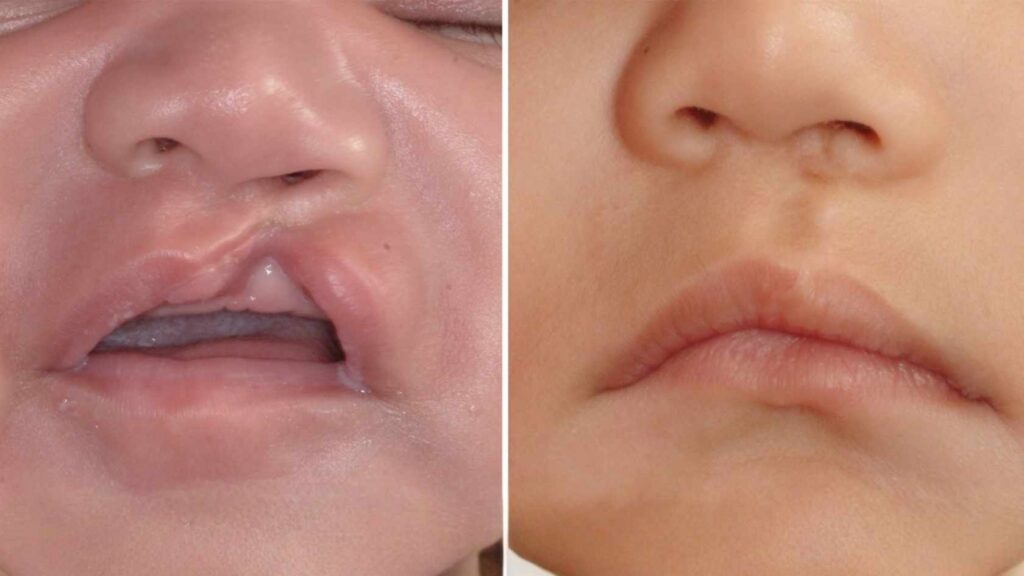
1. Infants with Diagnosed Cleft Lip
Most candidates for cleft lip surgery are infants born with a visible separation in the upper lip. Early surgical repair is commonly advised to support normal feeding patterns, facial development, and speech formation.
Infants are usually evaluated shortly after birth. During this period, healthcare providers assess the severity of the cleft, associated medical conditions, and overall growth status. Babies who are feeding adequately, gaining weight appropriately, and maintaining stable vital signs are often considered suitable candidates for early surgical intervention.
The timing of surgery is planned carefully to balance safety with developmental benefits. Early repair can help improve facial appearance and function during critical stages of growth.
2. Children with Delayed or Untreated Cleft Lip
Some children may not undergo surgery during infancy due to medical complications, limited access to care, or delayed diagnosis. These children can still be good candidates for cleft lip surgery at a later age.
Older children are assessed based on facial growth, dental development, speech patterns, and psychological readiness. Surgery at this stage may also involve additional planning to address scar tissue or changes in facial structure that occurred over time.
While early repair is generally preferred, successful outcomes can still be achieved when surgery is performed later, provided the child is in stable health.
3. Individuals with Isolated Cleft Lip
Candidates with isolated cleft lip, meaning the cleft affects only the lip and not the palate, often experience simpler surgical planning and recovery. These individuals typically have fewer complications related to feeding and speech compared to those with combined cleft lip and palate.
Surgery in such cases focuses on restoring the natural contour of the lip, improving muscle alignment, and achieving balanced facial appearance. Isolated cleft lip patients often respond well to surgical correction when performed at the appropriate time.
4. Individuals with Cleft Lip and Associated Conditions
Some patients have cleft lip along with cleft palate or other craniofacial differences. These individuals may still be good candidates for cleft lip surgery, but the treatment plan is usually more complex.
A multidisciplinary evaluation is often required to assess:
Airway function
Feeding ability
Hearing health
Speech development
Dental and jaw growth
Surgery may be staged, meaning different procedures are performed at different times to address each aspect of the condition safely and effectively.
5. Patients in Stable Overall Health
General health status plays a major role in determining surgical eligibility. Good candidates for cleft lip surgery typically meet the following criteria:
Stable heart and lung function
No active infections
Adequate nutritional status
Normal blood parameters
Infants and children who are underweight or medically unstable may require additional care and monitoring before surgery is scheduled. Stabilizing overall health helps reduce surgical risks and supports smoother recovery.
6. Babies Meeting Basic Growth Milestones
Growth and development benchmarks are commonly considered before cleft lip surgery. Healthcare teams often assess weight, hemoglobin levels, and overall physical development to ensure the baby is strong enough to tolerate anesthesia and healing.
Adequate nutrition is especially important. Infants who are feeding well and showing consistent growth patterns are generally better candidates for timely surgical correction.
This approach helps minimize complications and promotes better wound healing after surgery.
7. Children with Functional Challenges
Cleft lip can interfere with essential daily functions such as feeding, speech development, and facial muscle coordination. Children experiencing significant functional difficulties may be prioritized for surgical correction.
Indicators that suggest surgery may be beneficial include:
Difficulty sealing the lips while feeding
Poor weight gain due to feeding challenges
Speech articulation issues
Recurrent irritation around the lip area
Addressing these functional concerns early can improve quality of life and developmental outcomes.
8. Patients with Emotional or Social Impact
Although cleft lip is a physical condition, it can also have emotional and psychological effects. Older children and adolescents may experience self-consciousness, social discomfort, or reduced self-esteem related to facial appearance.
In such cases, surgery may help improve confidence and social interaction. Emotional readiness is considered alongside physical health to ensure the individual understands the procedure and feels supported throughout the process.
Counseling and family support often play an important role in preparing patients for surgery.
9. Individuals Without Contraindications to Surgery
Certain medical conditions may temporarily or permanently affect eligibility for cleft lip surgery. These include:
Severe heart disorders
Uncontrolled respiratory conditions
Blood clotting disorders
Active systemic infections
Patients with these conditions may still become candidates once the underlying issues are treated or stabilized. A thorough medical evaluation helps identify any risks and determine the safest approach.
10. Patients Able to Follow Post-Surgical Care Instructions
Successful cleft lip surgery depends not only on the procedure itself but also on proper postoperative care. Candidates are expected to have reliable caregivers who can:
Maintain wound cleanliness
Follow feeding guidelines
Attend follow-up appointments
Monitor for signs of infection
Families who are prepared to provide consistent aftercare contribute significantly to healing and long-term results.
11. Adolescents and Adults Seeking Secondary Correction
Some individuals who underwent cleft lip repair earlier in life may seek additional procedures to improve appearance, function, or scar appearance. These secondary surgeries are known as revision procedures.
Candidates for revision surgery include those with:
Residual asymmetry
Scar tightness affecting movement
Functional limitations
Cosmetic concerns
Eligibility depends on facial maturity, overall health, and realistic expectations regarding outcomes.
12. Importance of Individual Evaluation
There is no single profile that defines the ideal candidate for cleft lip surgery. Each patient’s situation is unique, and decisions are based on:
Age and growth stage
Type and severity of cleft
Associated medical conditions
Nutritional status
Family support system
A personalized evaluation ensures that surgery is performed at the most appropriate time and under optimal conditions.
13. Long-Term Considerations for Candidates
Candidates for cleft lip surgery should understand that treatment may extend beyond a single operation. Some individuals require additional interventions during growth to address dental alignment, speech development, or facial symmetry.
Long-term care planning may include:
Speech therapy
Orthodontic treatment
Periodic medical follow-up
Additional reconstructive procedures
Awareness of this long-term process helps families prepare emotionally and practically for ongoing care.
14. Benefits of Early Identification and Referral
Early identification of cleft lip allows for timely evaluation and coordinated care. Newborn screening and pediatric assessments help ensure that affected infants receive appropriate referrals for surgical planning.
Prompt evaluation supports better feeding management, reduces complications, and improves developmental outcomes. Families who receive early guidance are often better equipped to navigate the treatment process.
15. Final Overview of Candidate Selection
Cleft lip surgery candidates are selected based on a balance of medical safety, developmental readiness, and individual needs. While most infants with cleft lip are suitable candidates, careful evaluation ensures that surgery is performed under the best possible conditions.
For families seeking accurate medical guidance in Thrissur, understanding candidacy criteria helps clarify expectations and supports informed discussions with healthcare professionals. With appropriate assessment and preparation, cleft lip surgery can play a significant role in improving function, appearance, and overall quality of life.
TABLE OF CONTENT
Cleft lip is a congenital condition in which there is an opening or split in the upper lip due to incomplete facial development before birth. Learn more
The cost of cleft lip surgery varies depending on the complexity of the condition, hospital facilities, surgical technique, and postoperative care needs. Learn more
During the consultation, the doctor evaluates the cleft severity, reviews medical history, discusses surgical planning, and explains expected outcomes. Learn more
You should ask about the surgical approach, timing of surgery, recovery process, possible risks, and long-term follow-up care. Learn more
Cleft lip surgery may involve risks such as bleeding, infection, scarring, delayed wound healing, asymmetry, or the need for additional corrective procedures. Learn more
Frequently Asked Questions
1. Who is considered a good candidate for cleft lip surgery?
Individuals with a diagnosed cleft lip who are in stable overall health and meet basic growth and medical criteria are generally considered good candidates.
2. At what age is cleft lip surgery usually performed?
Cleft lip surgery is commonly performed during infancy, but older children and adults may also be eligible depending on their condition and health status.
3. Can children who missed early surgery still undergo cleft lip repair?
Yes, children who did not receive early treatment can still undergo cleft lip surgery after proper evaluation and planning.
4. Do patients with cleft lip and palate qualify for cleft lip surgery?
Yes, individuals with both cleft lip and palate can be candidates, though treatment may involve multiple stages and coordinated care.
5. Is good overall health important for cleft lip surgery?
Yes, stable heart, lung, and nutritional health are important factors for safe surgical outcomes.
6. Can underweight infants undergo cleft lip surgery?
Infants may need to reach certain growth and nutritional milestones before surgery to ensure safety and proper healing.
7. Are emotional and psychological factors considered for surgery?
Yes, especially in older children and adolescents, emotional readiness and social impact are considered as part of the evaluation.
8. Can adults undergo cleft lip surgery or revision procedures?
Yes, adults may be candidates for primary surgery or revision procedures based on facial maturity and medical fitness.
9. What role do caregivers play in surgical eligibility?
Caregivers are important for postoperative care, follow-up visits, and proper wound management, which affects recovery.
10. Is one surgery enough to correct cleft lip?
Some patients may need additional treatments or follow-up procedures depending on growth, functional needs, and long-term outcomes.
