
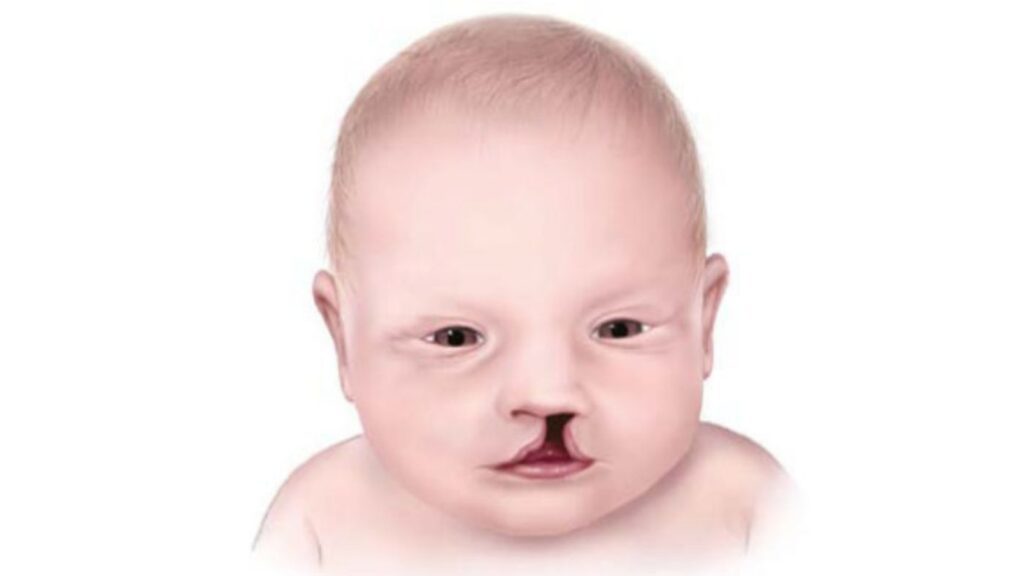
Cleft lip is a congenital condition in which a baby is born with an opening or split in the upper lip. This condition develops during early pregnancy when the tissues that form the lip do not fully join together. For families seeking clear and reliable health information in Thrissur, understanding cleft lip helps reduce uncertainty and supports early planning for appropriate care. Cleft lip can occur on one side of the lip, on both sides, or in the middle, and it may appear alone or together with cleft palate.
Cleft lip is one of the most common birth differences affecting the face. While it can affect appearance, feeding, speech development, and dental alignment, early diagnosis and structured medical care allow most children to grow and develop normally.
1. Understanding Cleft Lip
Cleft lip occurs when the tissues of the upper lip fail to fuse completely during fetal development. This process normally takes place within the first few weeks of pregnancy. When fusion is incomplete, a visible gap remains in the lip.
The severity of cleft lip varies. Some infants may have a small notch in the lip, while others may have a wider opening that extends toward the nose. The condition can affect only the lip or occur alongside cleft palate, which involves an opening in the roof of the mouth.
Cleft lip is present at birth and is not caused by anything the child does after delivery. It is considered a structural developmental difference that forms before birth.
2. Types of Cleft Lip
Cleft lip can be classified based on its appearance and extent.
Unilateral Cleft Lip
This type affects one side of the upper lip. It is the most common form and may range from a small notch to a complete opening that reaches the nostril.
Bilateral Cleft Lip
This form affects both sides of the upper lip. It often creates a central segment of tissue between the two openings and may involve changes in nose shape.
Incomplete Cleft Lip
In this type, the lip opening does not extend fully toward the nose. The gap may appear mild but still requires medical evaluation.
Complete Cleft Lip
This occurs when the opening extends from the lip up to the base of the nose. It is more noticeable and may be associated with cleft palate.
3. What Causes Cleft Lip?
The exact cause of cleft lip is not always known. In most cases, it results from a combination of genetic and environmental factors.
Genetic Factors
A family history of cleft conditions can increase the likelihood of occurrence. However, many babies with cleft lip are born to parents with no family history of the condition.
Environmental Factors
Certain factors during pregnancy may increase risk, such as nutritional deficiencies, exposure to harmful substances, or certain infections. These factors do not guarantee that cleft lip will occur but may contribute to developmental changes.
Multifactorial Nature
Cleft lip is usually caused by multiple factors working together rather than a single identifiable cause.
4. How Common Is Cleft Lip?
Cleft lip is one of the most common facial birth differences worldwide. It affects thousands of newborns each year across different populations.
The frequency may vary by region, ethnicity, and genetic background. Early diagnosis and timely care play an important role in long-term outcomes regardless of prevalence.
5. How Is Cleft Lip Diagnosed?
Cleft lip can often be detected before birth through prenatal ultrasound scans. In many cases, the condition is clearly visible on routine pregnancy imaging.
If not detected before birth, cleft lip is immediately noticeable during the newborn physical examination. Healthcare providers assess the lip structure and look for associated conditions such as cleft palate.
Further evaluations may be recommended to check feeding ability, hearing, dental development, and overall health.
6. Feeding Challenges in Babies With Cleft Lip
Babies born with cleft lip may face feeding difficulties, especially if cleft palate is also present. The opening in the lip can affect the baby’s ability to create suction.
Common feeding concerns include:
Difficulty latching during breastfeeding
Milk leaking from the mouth or nose
Longer feeding times
Slower weight gain
Special feeding techniques and tools may be recommended to ensure proper nutrition and growth during early life.
7. Importance of Multidisciplinary Care
Managing cleft lip often involves a team of healthcare professionals working together. This coordinated approach ensures comprehensive care across different stages of growth.
Team members may include:
Pediatric specialists
Surgeons
Speech therapists
Dental professionals
Nutrition specialists
Collaboration helps address physical, developmental, and emotional needs effectively.
8. Long-Term Outlook for Children With Cleft Lip
With proper treatment and follow-up care, most children born with cleft lip grow up to lead healthy and active lives. Advances in medical care have improved functional and cosmetic outcomes significantly.
Long-term outlook depends on factors such as cleft severity, associated conditions, and access to early care. Ongoing monitoring ensures that developmental milestones are met and potential issues are addressed early.
9. Common Myths About Cleft Lip
There are several misconceptions surrounding cleft lip that can create unnecessary fear or stigma.
Some common myths include:
Cleft lip is caused by parental actions after birth
Children with cleft lip cannot speak normally
The condition cannot be corrected
Accurate medical information helps correct these misunderstandings and supports informed awareness.
Final Thoughts
Cleft lip is a congenital condition that affects the upper lip and may influence feeding, speech, dental development, and facial appearance. With early diagnosis, structured care, and long-term follow-up, most children experience positive outcomes and healthy development. For families seeking clear medical guidance in Thrissur, understanding cleft lip helps promote informed decisions, emotional reassurance, and proactive care planning from infancy through childhood.
TABLE OF CONTENT
Good candidates include infants or individuals with cleft lip who are medically stable and suitable for surgical correction based on clinical evaluation. Learn more
The cost of cleft lip surgery varies depending on the complexity of the condition, hospital facilities, surgical technique, and postoperative care needs. Learn more
During the consultation, the doctor evaluates the cleft severity, reviews medical history, discusses surgical planning, and explains expected outcomes. Learn more
You should ask about the surgical approach, timing of surgery, recovery process, possible risks, and long-term follow-up care. Learn more
Cleft lip surgery may involve risks such as bleeding, infection, scarring, delayed wound healing, asymmetry, or the need for additional corrective procedures. Learn more
Frequently Asked Questions
1. What is cleft lip?
Cleft lip is a birth condition in which a baby is born with an opening or split in the upper lip due to incomplete tissue fusion during early pregnancy.
2. Is cleft lip present at birth?
Yes, cleft lip is a congenital condition and is present from birth.
3. Can cleft lip occur on one side only?
Yes, cleft lip can affect one side, both sides, or the center of the upper lip.
4. Does cleft lip always occur with cleft palate?
No, cleft lip can occur alone or together with cleft palate, which affects the roof of the mouth.
5. What causes cleft lip?
Cleft lip usually results from a combination of genetic and environmental factors during pregnancy.
6. Can cleft lip be detected before birth?
Yes, cleft lip can often be identified through prenatal ultrasound scans.
7. Does cleft lip affect feeding?
Some babies with cleft lip may experience feeding difficulties, especially if cleft palate is also present.
8. Can children with cleft lip develop normal speech?
With proper treatment and speech support when needed, many children with cleft lip develop normal speech.
9. Is cleft lip treatable?
Yes, cleft lip is commonly managed with surgical correction and follow-up care to improve function and appearance.
10. What is the long-term outlook for children with cleft lip?
With early treatment and proper care, most children with cleft lip grow up healthy and lead normal, active lives.
