

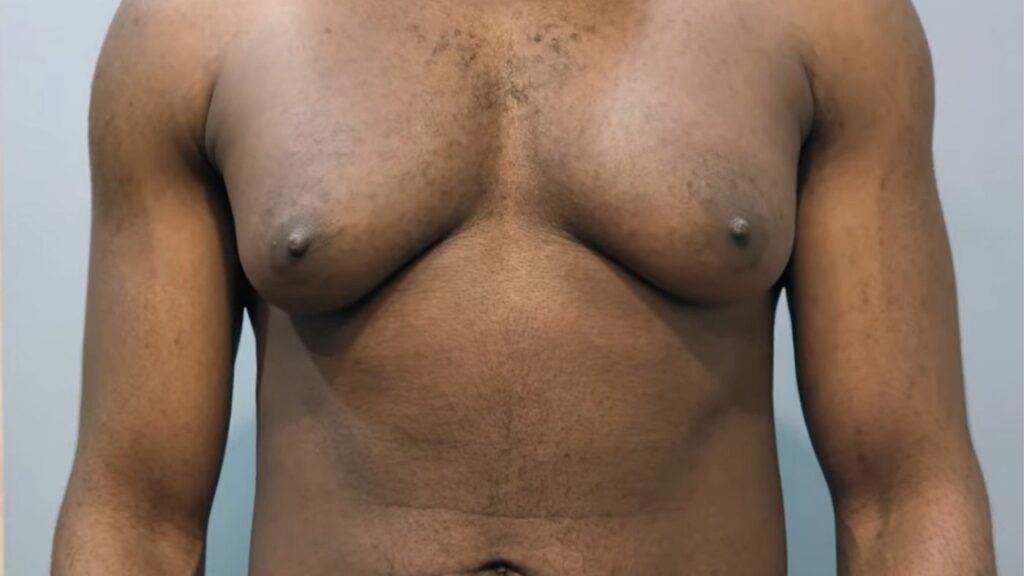
Understanding the risks associated with gynecomastia treatment is an important part of making an informed healthcare decision. For individuals seeking reliable medical information in Thrissur, knowing the possible risks helps set realistic expectations and supports safer treatment planning. While gynecomastia treatment is generally considered safe when properly evaluated and performed, no medical procedure is completely free of potential complications.
This page explains the common and less common risks related to gynecomastia treatment in a clear and patient-friendly manner.
1. Temporary Swelling and Bruising
Swelling and bruising are common after gynecomastia treatment, especially when surgical methods are involved. These effects usually appear in the first few days and gradually improve over time.
The severity of swelling varies depending on the extent of treatment and individual healing response. Proper aftercare and rest can help reduce these temporary effects.
2. Pain and Discomfort
Mild to moderate pain or discomfort may occur after treatment. This is typically temporary and can be managed with prescribed medications and proper postoperative care.
Most individuals experience a gradual reduction in discomfort as healing progresses. Following recovery instructions is important to minimize pain.
3. Infection Risk
As with any medical procedure involving incisions or tissue handling, there is a small risk of infection. Proper sterile techniques and wound care help reduce this risk.
Signs of infection may include increased redness, warmth, discharge, or fever. Prompt medical evaluation is recommended if these symptoms occur.
4. Bleeding and Fluid Accumulation
Some individuals may experience minor bleeding or fluid collection under the skin after treatment. This condition, known as hematoma or seroma, usually resolves with proper medical management.
Follow-up visits help monitor healing and address any fluid buildup if needed.
5. Changes in Skin Sensation
Temporary changes in nipple or chest skin sensation may occur after gynecomastia treatment. Some individuals experience numbness or increased sensitivity during the healing period.
In most cases, sensation gradually returns to normal over time. Permanent changes are uncommon but possible.
6. Scarring
Scarring is a natural part of the healing process after any procedure that involves skin incisions. The appearance of scars varies depending on skin type, healing response, and surgical technique.
Over time, scars usually become less noticeable. Proper wound care and sun protection can support better scar healing.
7. Asymmetry or Uneven Results
In some cases, slight differences in chest shape or symmetry may be noticed after treatment. The human body is naturally asymmetrical, and perfect symmetry is not always achievable.
Follow-up assessments help monitor results and address concerns if they arise.
8. Delayed Healing
Healing time varies among individuals. Some people may experience slower recovery due to factors such as age, overall health, smoking, or underlying medical conditions.
Adhering to postoperative guidelines helps reduce the risk of delayed healing.
9. Reaction to Anesthesia
If anesthesia is used during gynecomastia treatment, there is a small risk of side effects such as nausea, dizziness, or allergic reactions. These effects are usually temporary and monitored closely during and after the procedure.
Pre-treatment evaluation helps identify any anesthesia-related risks.
10. Need for Additional Procedures
In rare situations, additional procedures may be needed to refine results or address complications. This may occur if healing is uneven or if the desired outcome is not fully achieved initially.
Clear communication and realistic expectations help reduce the likelihood of additional interventions.
11. Emotional and Psychological Impact
Although many individuals feel positive about treatment outcomes, some may experience emotional changes during recovery. Temporary dissatisfaction or anxiety about healing progress can occur.
Open communication and realistic expectations are important for emotional well-being throughout the treatment process.
12. Risks Related to Non-Surgical Treatments
Non-surgical approaches, such as medication management or observation, generally carry fewer physical risks but may have limitations in effectiveness. Some medications may cause side effects depending on individual tolerance.
Understanding the benefits and limitations of non-surgical options is part of informed decision-making.
Factors That Influence Risk Levels
Several factors affect the likelihood of risks during gynecomastia treatment:
Overall health condition
Severity of gynecomastia
Type of treatment selected
Lifestyle habits such as smoking
Adherence to recovery instructions
Discussing these factors during consultation helps personalize treatment planning.
How Risks Are Minimized
Healthcare providers take multiple steps to reduce risks, including:
Thorough medical evaluation
Proper treatment selection
Sterile techniques
Post-treatment monitoring
Clear recovery instructions
Following medical advice plays a key role in achieving safe outcomes.
When to Seek Medical Attention
After gynecomastia treatment, medical attention should be sought if you notice:
Increasing pain or swelling
Signs of infection
Unusual discharge
Persistent fever
Sudden changes in chest appearance
Early intervention helps prevent complications from worsening.
Importance of Informed Consent
Understanding the risks of gynecomastia treatment is part of informed consent. This process ensures that individuals are aware of possible outcomes and can make decisions based on accurate information.
Asking questions during consultations supports clarity and confidence.
Final Thoughts
Being aware of the potential risks of gynecomastia treatment helps individuals approach the process with realistic expectations and proper preparation. For those seeking reliable healthcare guidance in Thrissur, understanding these risks supports safer decision-making and encourages open communication during consultations. With appropriate evaluation and care, most individuals experience smooth recovery and satisfactory outcomes.
Gynecomastia is a condition characterized by the enlargement of male breast tissue due to hormonal imbalance, medication effects, or underlying health factors. Learn more
Good candidates are individuals with persistent breast enlargement, stable health, realistic expectations, and no untreated medical causes. Learn more
The cost of gynecomastia surgery varies based on severity, surgical technique, hospital charges, and postoperative care requirements. Learn more
During consultation, the doctor assesses breast tissue, reviews medical history, explains treatment options, and discusses expected outcomes. Learn more
You should ask about the cause, treatment methods, recovery time, risks, scarring, and expected results. Learn more
Frequently Asked Questions
1. Are the risks of gynecomastia treatment common?
Most risks associated with gynecomastia treatment are mild and temporary, such as swelling or bruising, and serious complications are uncommon.
2. Is gynecomastia treatment considered safe?
When properly evaluated and performed under appropriate medical care, gynecomastia treatment is generally considered safe.
3. How long does swelling last after gynecomastia treatment?
Swelling usually reduces gradually over a few weeks, though complete healing may take longer depending on the individual.
4. Can gynecomastia treatment cause permanent numbness?
Temporary changes in sensation are more common, while permanent numbness is rare.
5. Is infection a major risk after gynecomastia treatment?
Infection risk is low when proper hygiene and wound care guidelines are followed.
6. Will there be visible scars after treatment?
Scars may be present initially but usually fade over time and become less noticeable with proper care.
7. Can uneven chest appearance occur after treatment?
Mild asymmetry may occur, but significant unevenness is uncommon and often improves during healing.
8. Does anesthesia increase the risk of complications?
Anesthesia carries minimal risk when administered under proper medical supervision and evaluation.
9. Can lifestyle habits affect treatment risks?
Yes, factors such as smoking, poor nutrition, and existing health conditions can increase the risk of complications.
10. When should I contact a doctor after gynecomastia treatment?
You should seek medical advice if you experience increasing pain, signs of infection, unusual swelling, or other unexpected symptoms.
